Big Sillage: 77 posts

Fragrance with a big presence and strong diffusion

Maison Francis Kurkdjian Baccarat Rouge 540 : Perfume Review

44444

Maison Francis Kurkdjian Baccarat Rouge 540 is a trickster of a perfume. I first smelled it not in a gilded boutique, but in a marshrutka in Poltava. Outside, the streets were lined with sandbags and the windows blast-proofed; inside, we were wedged together under the scent of stale cigarette smoke and damp wool. And then—floating above it all—came this unmistakable cloud of Baccarat Rouge 540, as if the bus had driven straight through the lobby of the Ritz.
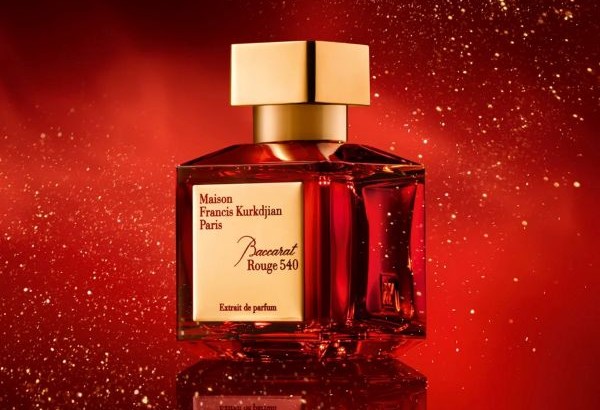
That shimmering force field comes from a complex amber-woody accord supported by oak moss and Veltol. Here, it’s used at architecture-level dosage, lending a dry, vibrating presence that refuses to fade. One structural pillar is ambroxan, which amplifies and diffuses the perfume’s sweetness. There is also Veltol, the cotton-candy molecule that lends a burnt caramel accent to the amber accord. Together, the notes create an amber woody-mineral gourmand hybrid, sweet but not edible, crystalline rather than creamy. The effect is elegant and gentle on first inhale, yet its projection and longevity defy all logic.

Continue reading →

Marc-Antoine Barrois Aldebaran : Perfume Review (and a warning)

33333

I first encountered Marc-Antoine Barrois Aldebaran—a bold new tuberose fragrance by Quentin Bisch—in a small perfume shop in Ternopil, western Ukraine. The concept of buying decants is incredibly popular in Ukraine, and it makes high-end perfume exploration more accessible. I had read about Aldebaran’s launch and, being a devoted lover of tuberose, was immediately curious. Could it rival my benchmark, Frédéric Malle’s Carnal Flower?

I bought a small sample, tucked it into my bag, and tested it later that evening. One spray. That was enough. Aldebaran doesn’t bloom—it detonates.

This is not the “strawberries-and-cream” tuberose of Robert Piguet Fracas, nor the dewy green tendrils of Diptyque Do Son or the fruity-lactonic flirtation of Gucci Bloom. No. Aldebaran leans into the metallic, rubbery, mentholated side of the flower—amplifying its natural pungency, its blue-white chill, and even that faint, gasoline-like bite that tuberose can sometimes hide beneath its petals.

Continue reading →

My Introduction to Oud Perfumes

Oud is a paradox. The exquisite aroma that set the imagination of Japanese poets and Sufi mystics aflame develops as a result of a disease. When healthy, the wood of Aquilaria tree species is odorless, but once a certain type of mold affects them, they release an aromatic essence to protect their tissues from decomposition. It’s a slow process, during which blond wood turns dark and hard as a stone and develops a fragrance of uncommon complexity. It has the notes of sweet tobacco, incense, leather, and smoked spices, with a lingering undercurrent of bitter honey and crushed mint. While it’s known by many names, including aloeswood, agarwood, gaharu, or jinko, its other name, dark gold, will be instantly recognizable to oud lovers.

Although an ingredient with centuries old history in the Eastern world, it’s a relative newcomer to European perfumery. One of the first fragrances to use this note was Yves Saint Laurent’s M7, created under the direction of Tom Ford in 2002. The composition—its dramatic effect enhanced by a controversial nude male ad–had a cool, herbal top note that fell straight into the tobacco and animalic warmth of oud. It was relaunched a few years ago as M7 Oud Absolu, softer and lighter, but with the original’s vivid character.

Continue reading →

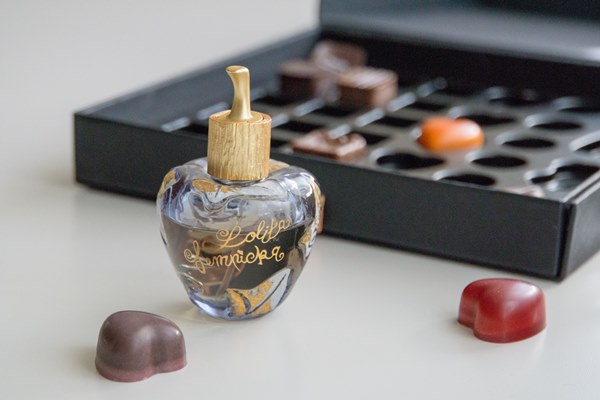
Cult Classic: Lolita Lempicka Perfume Review

55555

When did we develop our insatiable craving for sweet perfumes? I could point to Thierry Mugler’s Angel, the grandmother of all gourmands; launched in 1993, this bonbon of cotton candy, bitter chocolate and patchouli still graces best-seller lists the world over. The success of Angel inspired several generations of perfumes redolent of crème brûlée, caramel and rice pudding, from Chanel Coco Mademoiselle to Kenzo Amour, and the boundary between fragrance and flavor became nebulous.

While Angel set the modern trend, sweet notes are as old as the art of perfumery itself. Many classics have accords that tease with their subtle references to desserts without venturing too far into patisserie. For instance, the combination of peach, roasted almonds and cinnamon in Guerlain Mitsouko, created in 1919, suggests an extravaganza worthy of Escoffier, while the moss and woods add an abstract, distinctly non-edible effect.

Continue reading →

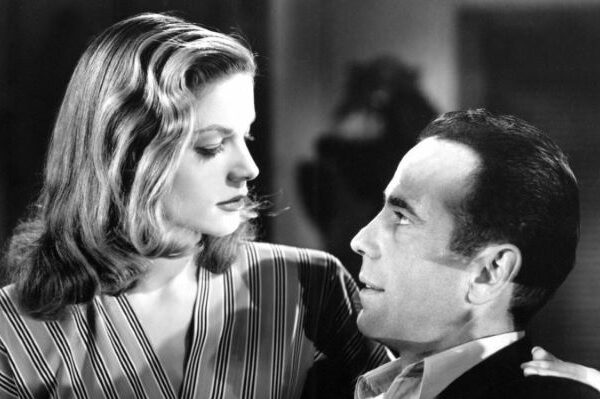
Sultry Perfumes and Hollywood Glamour Fragrances

What is the hallmark of the ultimate bombshell perfume? I wonder this as I’m enraptured by the first glimpse of Ava Gardner in The Killers, a 1946 film noir. She sits at the piano, wearing a black satin gown that elegantly drapes over her curvy figure. She gives Burt Lancaster one look, and he is ready to follow her anywhere, even it will all lead to trouble. Such is the power of a bombshell.

My average day is more about routine than glamour, but perfume is my way to pretend otherwise. When I wear Etat Libre d’Orange Jasmin et Cigarette, a smoldering potion reminiscent of a smoky jazz bar straight from a film noir set, I feel like a femme fatale.  It seems like bombshell material to me, but to find out for sure I turn to a couple of experts on the subject of the temptress—Farran Smith Nehme and Laren Stover, who also happen to be perfume connoisseurs.

Continue reading →

As Seen On

Design by cre8d
© Copyright 2005-2026 Bois de Jasmin. All rights reserved. Privacy Policy