osmanthus: 5 posts

20 Osmanthus Perfumes You Must Smell

20 Must Try Osmanthus Perfumes (Ukranian)

I love osmanthus so much that I planted two shrubs in pots and placed them in front of my apartment building, hoping their honeyed scent might brighten the autumn days for anyone passing by. Someone else must have loved them too, because one morning I discovered that one of the plants had been stolen. I carried the remaining shrub up to my balcony, where it now perfumes only my private space. The pleasure is no less intense—each evening when I step outside, the air is saturated with the fragrance of apricot, honey, and soft leather.
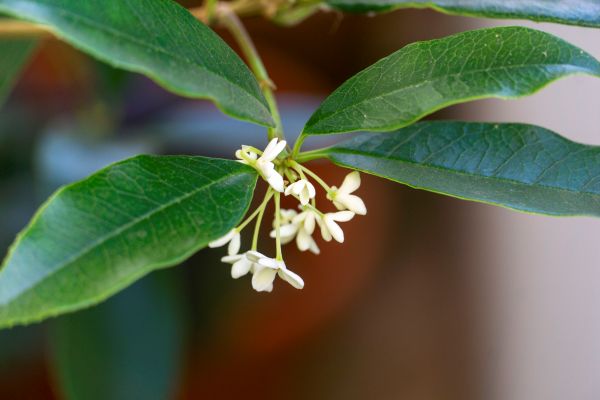
Known in Chinese as 桂花 (guìhuā) and in Japanese as 金木犀 (kinmokusei), osmanthus is native to China and has long been cherished for its intoxicating aroma. Its scent is a paradox: honeyed and luminous, yet with a leathery undertone that lends it mystery and depth. In perfumery, osmanthus is one of the most captivating raw materials, versatile enough to form the backbone of a composition or to lend a delicate accent of fruit and warmth.

“Twenty perfumes you must smell” is, of course, a debatable list. I’m sure others would select different favorites. What follows is simply my own choice: fragrances that, in my view, reveal osmanthus in all of its guises, from floral to fruity, radiant to shadowed. Not all of these perfumes use natural osmanthus absolute—an extraordinarily costly material—but the best blends capture its character through accords of ionones, damascones, theaspirane, and lactones, recreating the apricot-violet-leather bouquet of this prized blossom.
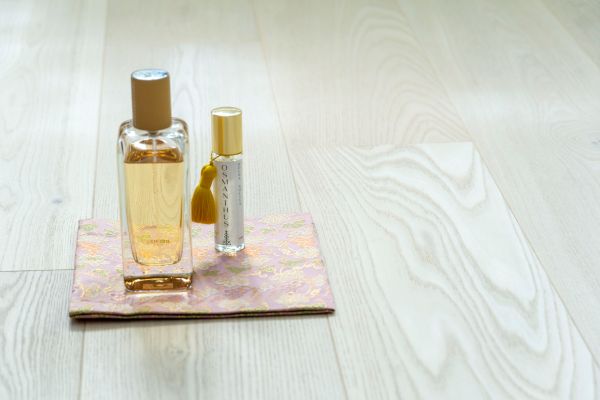
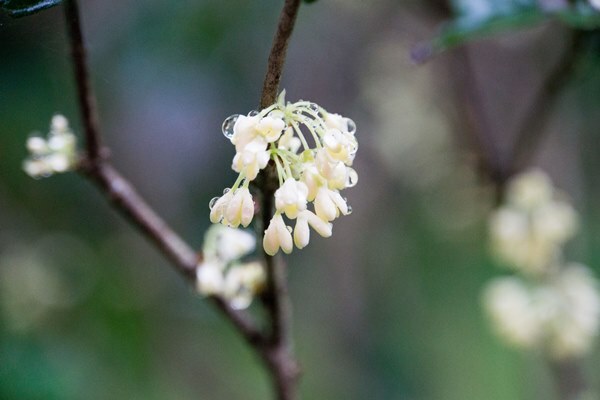
Continue reading →

From Agarwood to Osmanthus: Perfume Journeys through China

Чай та османтус: Ароматна спадщина Китаю (українська версія)

When I traveled in Vietnam, I sat at a low wooden table in Hue and learned incense-making from a master. It rained outside and the scent of blooming osmanthus filled the studio with its languid fruity aroma. The master ground woods, resins, and spices before binding them into sticks with makko powder. The recipe, he explained, had Chinese origins: agarwood, sandalwood, clove, borneol. These were ingredients once carried along the great trade routes, linking temples, courts, and homes. Watching him, I realized how much of perfume’s history rests on such exchanges.

China’s scent culture is vast. It ranges from temple incense to osmanthus blossoms in autumn, from precious agarwood to the steam of a teacup. Western perfumery rarely bottles these traditions directly, but their influence lingers, shaping some of the most interesting fragrances of the last decades.

Continue reading →

Osmanthus, Kinmokusei, Fragrant Olive and Its Perfumes

To inspire those of you who will be taking my Osmanthus classes.

Once the weather turns cool in Tokyo, a sweet perfume fills its streets. It escapes from the parks and enclosed gardens and for a few weeks it becomes a familiar presence in a city better known for its skyscrapers, electronics and cuisine than for its flowers. The tiny blossoms that give Tokyo its aroma are easy to miss, but the perfume is so vivid that osmanthus is sometimes called “a ten mile fragrance” tree. In Japanese, it’s known as kinmokusei, and in English it may be referred to as a “fragrant” or “Chinese” olive, hinting at the plant’s origins, but by any name, the aroma of ripe apricots, jasmine petals and leather is irresistible.

Perfumer Jean-Claude Ellena was likewise enchanted by osmanthus, and he chose to pair it with a tea note in his fragrance for Hermès, Osmanthe Yunnan. Although Ellena was inspired by a visit to the Forbidden City in Beijing, his creation captures my memories of Tokyo in autumn. Every element in the perfume is delicately rendered, from the fruity notes that recall the softness of peach skin to the transparent white blossoms soaked in tea. The marriage of tea and osmanthus is a classical one, because both ingredients play up each other’s facets of fruits, woods, sweetness and bitterness. Osmanthe Yunnan is a happy perfume, and whenever I put it on, I feel as if I’ve stepped into a pool of sunlight.

Continue reading →

The Scent of Osmanthus

Once the weather turns cool in Tokyo, a sweet perfume fills its streets. It escapes from the parks and enclosed gardens and for a few weeks it becomes a familiar presence in a city better known for its skyscrapers, electronics and cuisine than for flowers. The tiny blossoms that give Tokyo its aroma are easy to miss, but the perfume is so vivid that osmanthus is sometimes called “a 10-mile fragrance” tree. In Japanese, it’s known as kinmokusei, and in English it may be referred to as a “fragrant” or “Chinese” olive, hinting at the plant’s origins, but by any name, the aroma of ripe apricots, jasmine petals and leather is irresistible.

In my latest FT column, Perfumes Linked by Osmanthus, I discuss one of the most fascinating perfume ingredients, osmanthus, and explain how it’s used in perfumery. Of course, I mention three of my favorite osmanthus perfumes and share stories about them. You can read the article by clicking here.


Please let me know other osmanthus perfumes that should be included on a list for someone who loves these apricot scented blossoms.

Photography by Bois de Jasmin

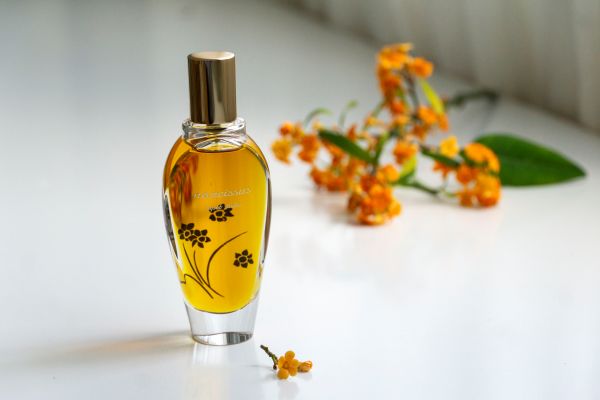
Roger & Gallet Fleur d’Osmanthus : Perfume Review

33333

Among my perfumes that are the equivalents of t-shirt and jeans, Roger & Gallet fragrances share a top spot with L’Occitane Green Tea and Parfums de NicolaïL’Eau à la Folie. The classical cologne, Bois d’Orange and Fleur d’Osmanthus are among my Roger & Gallet favorites. They are easy to wear and are perfect for those days when you want something refreshing and not overly demanding.

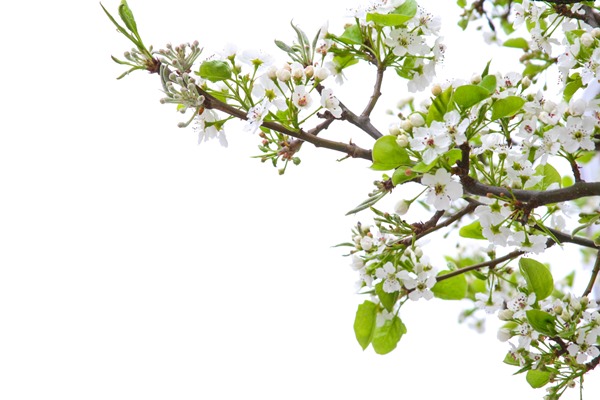
pear blossoms

In addition, the low price (18€ or $25 for 1 oz bottle) makes them accessible. A low price doesn’t have to mean a poor quality perfume (and I would argue that the worst quality perfumes on the market today are among the most expensive). The Roger & Gallet collection is created by excellent perfumers. For instance, Fleur de Figuer was designed by Francis Kurkdjian, Bois d’Orange by Dominique Ropion, and Gingembre by Jacques Cavallier.

Continue reading →

As Seen On

Design by cre8d
© Copyright 2005-2026 Bois de Jasmin. All rights reserved. Privacy Policy