Citrus : Perfume Lexicon & Fragrance Notes
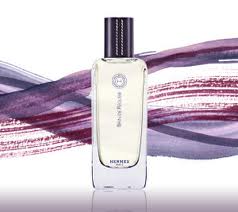
According to the Greek mythology, the garden of Hesperides was a garden belonging to Zeus’s consort, Hera, where immortality-giving apples grew, tended by the daughters of Hesperus or the God of Evening, the Hesperides. Alluding to the magical golden apples, the name Hesperide came to be applied first to oranges and then to the entire citrus family.
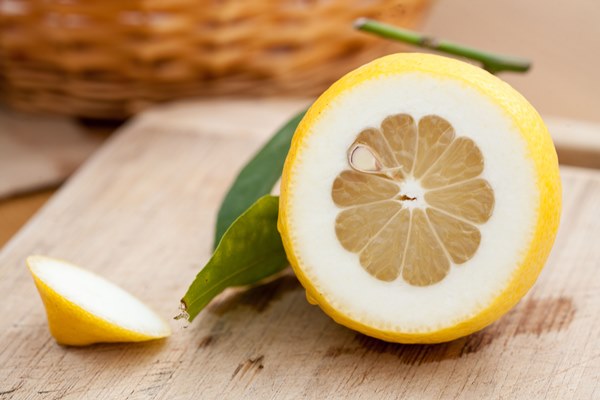
Although citruses seem ubiquitous now, the fragrant fruit was among the precious cargo from the Spice Route. The earliest mention of citruses occurs in the Nan-Fang Ts’ao Mu (Trees and Plants of the South) written around 300 A.D. by Chi Han, while in 1178, there appears a whole chronicle dedicated to citruses, the Citrus Chronicle (Chű Lu), written by Han Yen-chih (Morris 48). Native to China and Southeast Asia, where about 500 species can be found, citruses were brought to the west by the Arabs. The parts of Europe under Arab control, such as Spain and Sicily have a long tradition of citrus cultivation. Indeed, Sicilian citrus oils have always been among the most prized. In the 14th century, spice trade was the source of revenue for Italy, specifically Venice, which after the battle at Chioggia in 1380, defeated Genoa and monopolized the trade (Morris 141). The Venetian galleys intercepted the caravans at Aleppo or Alexandria, and then would transport their wares to various guilds in Europe (141).