Culture: 426 posts

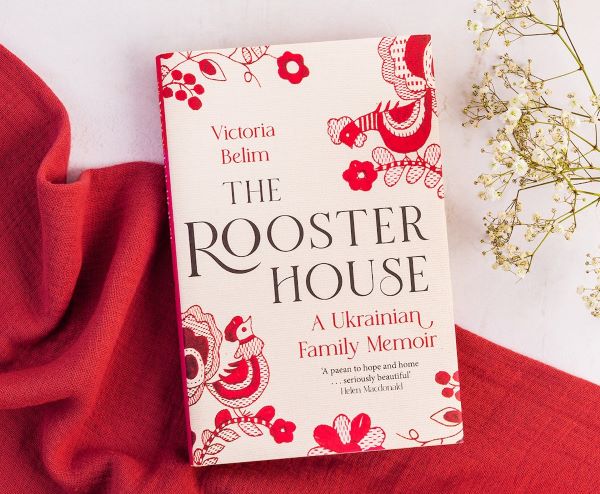
Art, travel, books, history. About my book, The Rooster House.

Reading Iran: Literature, Food, Poetry, and the Inner Map of a Country

I came to Iran through literature and language. Long before I traveled across the country, I had been reading Persian poetry, studying the rhythm of the language, and trying to understand a place that cannot be approached through headlines alone.

Traveling in Iran deepened that early fascination. I encountered a country of immense cultural density: hospitality and restraint, beauty and endurance, tenderness and control. Iran’s politics are complicated and often painful, and the present moment makes this impossible to ignore. All of the friends in Iran I have been able to reach speak of unimaginable violence and loss. Nearly everyone knows a young person who was killed.

After everything I have experienced in Ukraine, I did not think I could still be shocked. Yet with every new story, I understand more clearly the depth of grief and suffering the country is moving through, often without witnesses. It is precisely in moments like this that reading matters: not as escape, but as a way to resist simplification, to remember that no country can be reduced to crisis alone.
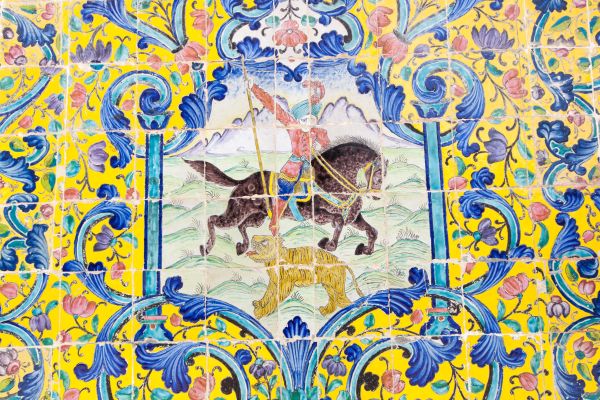
This reading list brings together books from my library. These books are an attempt to understand Iran not as an abstraction or a crisis, but as a layered, ancient, and profoundly human place.

Essentials — where to begin

The Blind Owl by Sadegh Hedayat
A foundational modern Iranian novel. Dark, hallucinatory, and deeply psychological, it explores alienation, obsession, and the fracture between inner life and social reality. Demanding, but essential.
Continue reading →

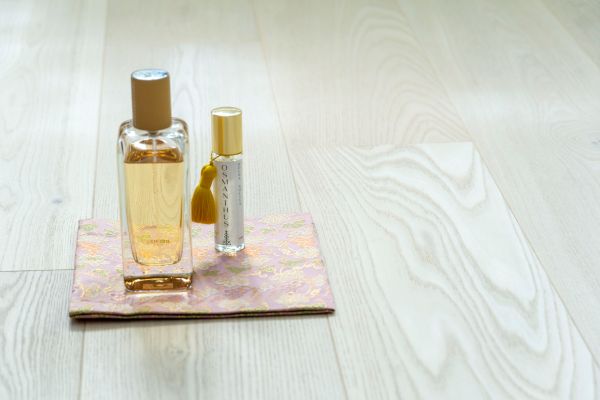
From Agarwood to Osmanthus: Perfume Journeys through China

Чай та османтус: Ароматна спадщина Китаю (українська версія)

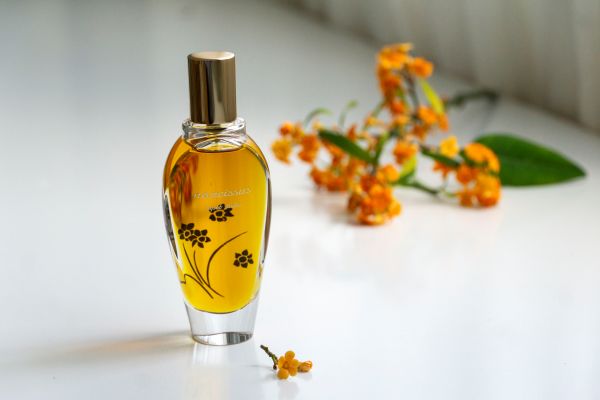
When I traveled in Vietnam, I sat at a low wooden table in Hue and learned incense-making from a master. It rained outside and the scent of blooming osmanthus filled the studio with its languid fruity aroma. The master ground woods, resins, and spices before binding them into sticks with makko powder. The recipe, he explained, had Chinese origins: agarwood, sandalwood, clove, borneol. These were ingredients once carried along the great trade routes, linking temples, courts, and homes. Watching him, I realized how much of perfume’s history rests on such exchanges.

China’s scent culture is vast. It ranges from temple incense to osmanthus blossoms in autumn, from precious agarwood to the steam of a teacup. Western perfumery rarely bottles these traditions directly, but their influence lingers, shaping some of the most interesting fragrances of the last decades.

Continue reading →

Writing About Perfume as the World Burns

One summer evening in Kharkiv, I was writing a perfume review when the air raid sirens began. The sound was now part of the city’s fabric, as ordinary and as terrible as the smell of bread from the bakery on the corner. I paused, listened for the thud that might follow, and then turned back to my draft. A question pressed against me: What am I doing, writing about perfume as the world burns?

It’s a question I’ve asked myself many times over the past years. Perfume can seem like a frivolity, a luxury for calmer days. But the more I’ve lived through, the more convinced I am that it is not just a product. Perfume is a cultural layer, a record of our rituals, desires, migrations, and exchanges. It carries the memory of places and the touch of history on the skin. Every bottle is both a work of art and a fragment of anthropology.
Continue reading →

The Scented Archive: Why Smell Belongs in Our History

We rarely think of scent as part of archives and historical records. The past is treated as visual, textual, factual — something we read or look at. But our lives are full of smells: the minty tang of toothpaste, burnt toast, the brine of sweat on public transportation, the coolness of a florist shop we pass on the way to work. These are not incidental. They are the scaffolding of memory. What we forget with our minds, the nose remembers.

I think often about this partial amnesia. What has been lost because it couldn’t be catalogued? How many women’s lives, marked by the scent of boiled milk, starch, soap, lily of the valley, have slipped away without trace? How many communities vanished, taking with them their voices, customs, foods — and scents. In Ukraine, I witnessed towns being flattened, homes scorched, and with them the quiet archives of everyday life. And elsewhere too, in places like Gaza, Sudan, Yemen, Syria, wars and displacements continue to erase not only histories but atmospheres, the very breath of places.

Continue reading →

How to Smell a Place: A Guide to Scent Mapping

Summer is the season of movement. As many of us travel, whether across countries or just to the next neighborhood, I’d like to offer a different way to mark the journey: not with photos or souvenirs, but with scent.

For years, I’ve made it a habit to map a place by its smells. This practice has changed how I travel. It slows me down. It sharpens my attention. And later, when memory fades, recalling scents brings everything back with astonishing clarity. I only have to imagine the honeyed aroma of orange blossoms to transport myself to Marrakesh. This memory then pulls on another one, and I delve into the fragrances of sun-warmed clay in a small oasis town, stone-roasted bread, and effervescent Moroccan cumin. In my mind, I travel again, going further and further.


Scent is the most ephemeral souvenir, but also the most faithful. Here’s how to begin building your own olfactory map.

Continue reading →

As Seen On

Design by cre8d
© Copyright 2005-2026 Bois de Jasmin. All rights reserved. Privacy Policy