Culture: 426 posts

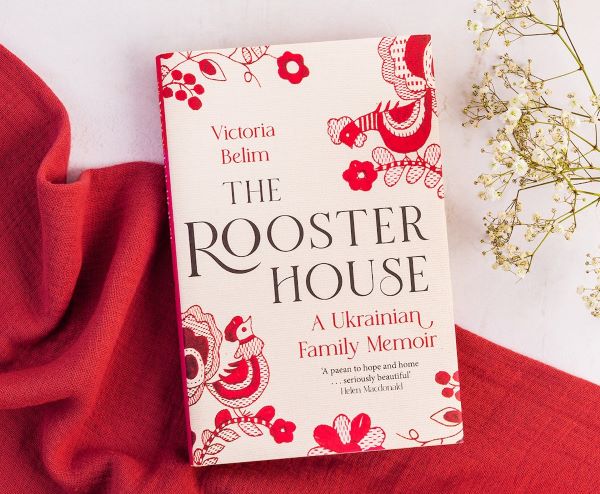
Art, travel, books, history. About my book, The Rooster House.

Postcard from Uzbekistan : Desert in Bloom

Every spring the Kyzylkum Desert lives up to its name, which means red sand, by turning crimson. Except it’s not the sand that gives it its vibrant hues, but the wild poppies. Located in Central Asia and shared between Uzbekistan, Turkmenistan and Kazakhstan, it encompasses the region historically called Sogdiana or Transoxiana. Traveling in Uzbekistan for my new research project into the cultural history of aromatics has been full of such discoveries. This land may be associated for many people with its recent Soviet past, but what are 70 odd years of Soviet rule in a place that counts its history in the thousands of years. Even if the recent past left deep scars, from social to environmental, the more ancient traditions and customs remain.
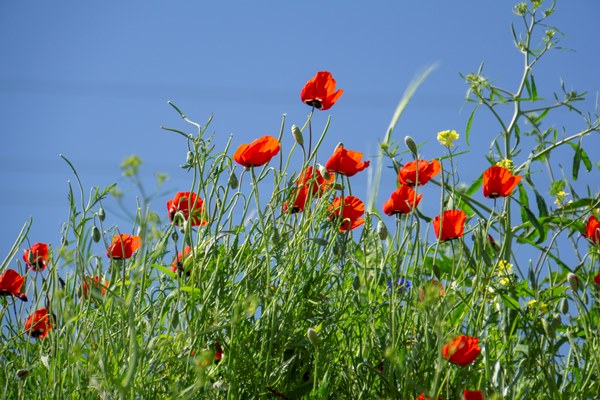
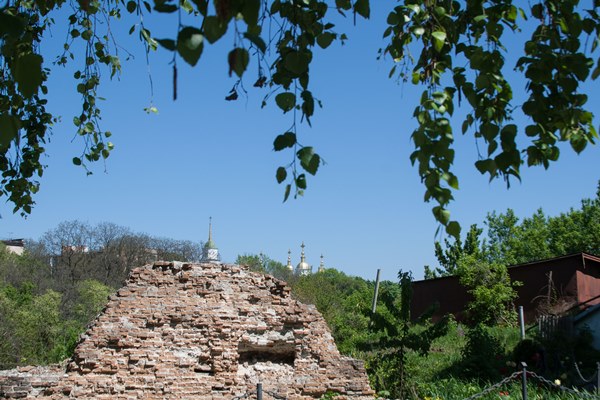
As do the scarlet flower fields of the Kyzylkum Desert. Alexander the Great crossed it. And so did Genghis Khan and Tamerlane. The remnants of Alexander’s fort still stand in the desert, their ancient ramparts still imposing enough. And the lines of the Persian poet Ferdowsi came to my mind.
Continue reading →

Wind Through Green Leaves Aoarashi

Imagine right now standing under a tree and hearing the wind rustling through its leaves. If you enjoy this vision, I would like to share a Japanese poem with you.

Wind blowing through green leaves
I see a shrine
And I pray

青嵐神社があったので拝む
Aoarashi Jinja ga atta node Ogamu

Japanese haiku are full of seasonal words, which serve as a guide to the reader. For instance, this charming poem by Ikeda Sumiko (池田澄子, born in 1936) contains the word aoarashi.  It means wind blowing through green leaves and it’s a seasonal word for the fifth month.

Continue reading →

Frida Kahlo and Shalimar

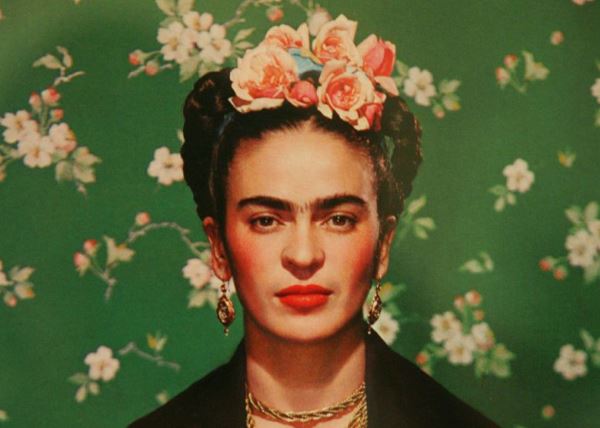
“They thought I was a surrealist, but I wasn’t. I never painted dreams. I painted my own reality,” Frida Kahlo once said. An artist is inseparable from their art, and this idea is particularly dramatic in the case of Kahlo, whose body of work is based on the explorations of self. Of the 143 paintings Kahlo left behind, 55 are self-portraits, brutal, honest, startling. What’s more, Kahlo was conscious of the power of the image, and she also fashioned self through her choice of clothes, colors and accessories.


I admit that I didn’t appreciate the importance that Kahlo assigned to her clothes, jewelry and perfume until I saw the exhibit of the artist’s possessions at the Victoria & Albert Museum in London. The image of the Mexican artist—the colorful skirts, the flower-decorated braids, the unibrow—entered pop culture to the point that we risk forgetting the artist behind a fashion icon. In order to understand her art, is it necessary to know that Frida Kahlo wore Guerlain’s Shalimar and Schiaparelli’s Shocking and draped herself in Mexican dresses and Chinese silk?

Continue reading →

Bulgaria Travel Reading List

Bulgaria, like so many places that fell on the other side of the Iron Curtain, remains terra incognita. Yet, it has an ancient history, delicious food, beautiful music, picturesque churches, incredible biodiversity, and of course, roses. Despite its small size, Bulgaria supplies 50% of the world’s rose essence.

I’ve decided to put together a list of non-fiction and fiction books. These novels and travel accounts present a fascinating and rich land, a place where many different cultures, influences and traditions meet.

Continue reading →

My Article about The Shalimar Gardens in Oh Comely

Paradise comes from the ancient Persian word pairidaēza, meaning ‘an enclosed garden,’ and in arid land, the idea of an orchard filled with the sound of water, the glow of ripening fruit and the perfume of flowers was indeed a vision from the celestial realm. Persians perfected the art of gardening and their ideas influenced the way orchards were designed around the world. To see one such garden, I traveled to Karachi, a bustling port city in the south of Pakistan, continued my journey along the Indus River, and navigated the mad traffic of Lahore. An orchard may not be worth such an effort, but the Shalimar Gardens were no ordinary place.

I have a new article in the magazine Oh Comely. It follows me on my travels through southern Pakistan to reach the fabled Shalimar Gardens. They were created in the 17th century by the emperor Shah Jahan and while many changes have befallen them, they’re still one of the reasons to visit Lahore, the city that was the jewel of the Mughal Empire. My article is in Issue 48. The spring issue has fruit as its leitmotif, and if you read my article, you’ll see what the Shalimar Gardens, the founder of the Mughal Empire, emperor Babur, and fragrant mangoes have in common. And the Shalimar perfume, of course.

Continue reading →

As Seen On

Design by cre8d
© Copyright 2005-2026 Bois de Jasmin. All rights reserved. Privacy Policy