Culture: 426 posts

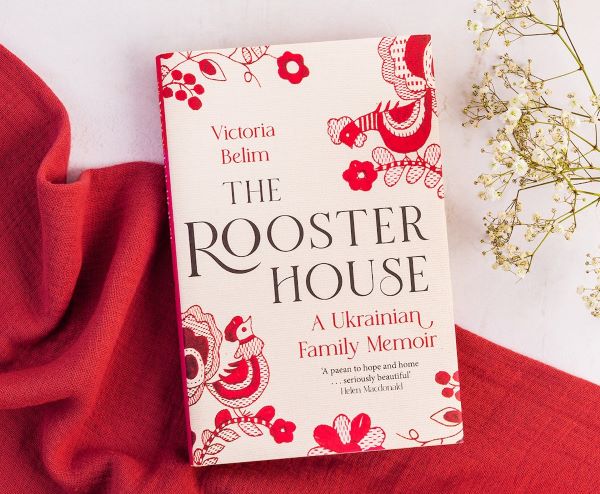
Art, travel, books, history. About my book, The Rooster House.

How to Learn A Language by Reading and Listening

In my first two articles outlining my methods for studying languages, I mentioned that I rely on reading both to learn new languages and to maintain the ones I already speak. However, I wanted to explain what I do in more detail, because my strategy differs from the more usual ones found in language books and classrooms. Generally, we’re told that we should just start reading, look up the words we don’t know and just slough through the book despite the difficulties. In the same vein, we’re advised to watch foreign films and listen to music.
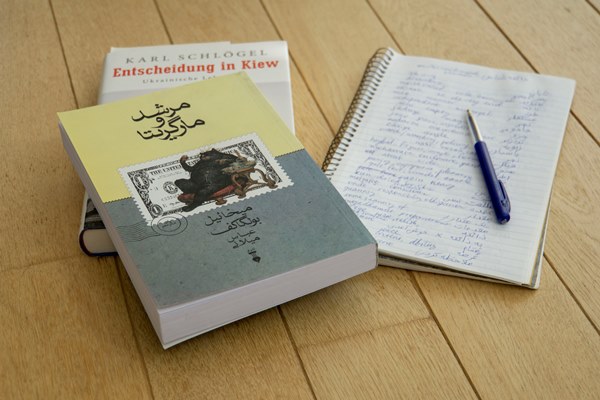
The problem with this approach is that it takes a long time to learn a language in such a passive way. Of course, we should plunge into books we want to read as soon as we feel that we have enough of the basics and we should watch films and songs. The latter is especially important to get used to the rhythm and melodies of the language you’re learning and to create your own language bubble. (Watching films with subtitles, by the way, is not particularly effective, since our brains use the path of least resistance and effectively tune out the incomprehensible by focusing on the familiar.) I often tune into German, Portuguese or Japanese radio stations and listen to them as I cook or edit photos.  However, if your goal is to learn to speak the language, then you have to follow a different strategy when reading and listening.
Continue reading →

What Does Orange Blossom Smell Like?

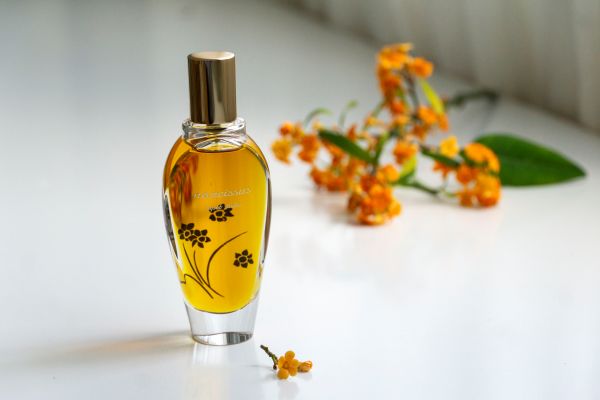
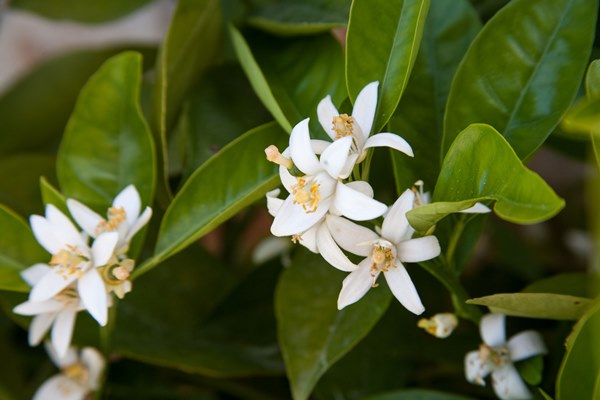
Orange blossom is one of the most popular floral notes in perfumery. It can star in any family and add its special twist to almost any accord. If you like delicate and fresh, you might enjoy orange blossom in Annick Goutal Néroli and Jo Malone Orange Blossom. If dark and somber is more of your mood, then Caron Narcisse Noir and Serge Lutens Fleurs d’Oranger will fit the theme.

Orange blossom in perfumery comes from the bitter orange tree, and it’s called neroli if it’s steam-distilled and absolute if it’s extracted with solvents. (You can read my article for more detailed comparisons and examples of fragrances with these two materials). Both of these materials are expensive, although not as much as rose or jasmine essences. Neroli has a green accent that makes it perfect for colognes, mossy blends and fresh marine compositions, while the smoky twists of orange blossom absolute lend it complexity and drama that unfolds well in the similarly spiced, incense-embellished perfumes.

Continue reading →

Haft Seen and Hafez

Happy Nowruz! نوروز مبارک ! Nowruz is also called the Persian New Year, and it’s celebrated on the spring equinox, usually on March 20 or 21 in the Western calendar. This year, it took place on Wednesday March 20, 2019 in New York and Brussels, and on Thursday March 21 in Tehran. It’s a holiday that cuts across religious and geographical divides, and it’s celebrated in many countries around the world, especially the ones that had a link with ancient Persia. Along with Easter, it’s my favorite holiday, because it’s about rejuvenation, light and spring.

I’ve already written about the tradition of haft seen, a special spread of symbolic items that have deep significance on Nowruz. As I’ve mentioned, a book of Hafez’s poetry is an important part of haft seen. In the same spirit, I’ve selected a poem to share with you. I hope that the new year will be filled with beauty, happiness and inspiration for all.

Continue reading →

Persian Flower Delights

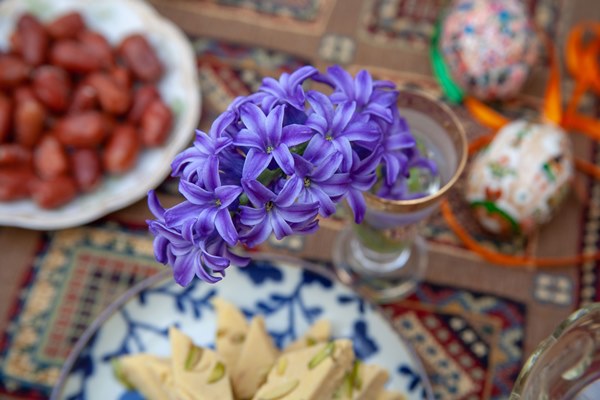
In time for Nowruz, which falls on March 20 or 21 in 2019, depending on where in the world you are, I wanted to share with you my favorite Persian floral delights. Flowers don’t only bloom in Persian gardens and adorn Qajar art and textiles, they’re also used in cuisine. Rosewater adds a bright note to savory and sweet dishes. Willow flowers flavor sugar and candy. Orange blossom accents tea blends. As good as flowers smell, their flavors are equally beautiful.

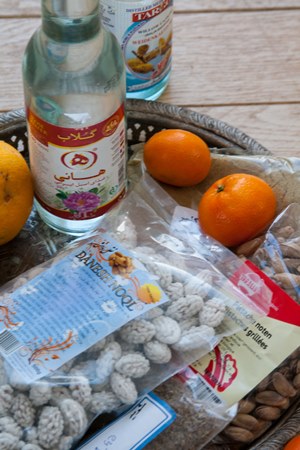
So I took a walk through my local Iranian store and came home with a whole treasure trove of floral delicacies.

Continue reading →

The World in a Haiku

Silent the old town
the scent of flowers
floating
And evening bell
-Matsuo Bashō (1644-1694), translated by Jane Reichhold

Haiku condenses. Haiku magnifies. If haiku speaks of a flower, it doesn’t compare the poet to a flower or the world to a flower. It says, the world is a flower. The world is in the flower petal. The details are refined by the poet’s imagination, who pours the whole experience into seventeen syllables. Haiku is the essence.

Discontented
Violets have dyed
The hills also
-Shiba Sonome (17th century), translated by Earl Miner and Hiroko Odagiri.

Continue reading →

As Seen On

Design by cre8d
© Copyright 2005-2026 Bois de Jasmin. All rights reserved. Privacy Policy