Perfume 101: 517 posts

Here you can find how to guides to selecting, testing and enjoying scents. Also includes are the lists of our top favorite perfumes for different occasions and articles covering all range of topics related to fragrance. If you’re curious to step inside a perfume lab (or even become an industry professional), this group of essays will be of interest.

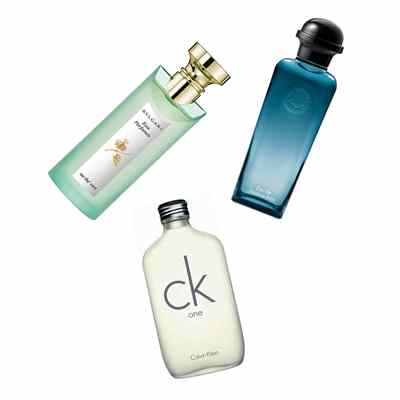
Reading Tea Leaves: Best Tea Perfumes in 10 Different Styles

The scent of tea leaves is created by hundreds of aroma-molecules, and each variety has its unique fragrance. Terroir plays a role as does the method of curing the tea leaves. For instance, steamed Japanese teas like sencha and matcha have grassy, spinach-like aromas thanks to hexenal, while mildly oxidized oolongs share aromatics with lilac blossoms, roses and jasmine (nerolidol, cis-jasmone, linalool). The smoky profiles of teas like lapsang souchong are created by molecules like pyrazines, longifolene and guaiacol. In an interesting twist, guaiacol, along with certain types of pyrazines, is what gives roasted coffee its distinctive scent, which is why smoky teas are recommended to coffee drinkers wanting to expand their horizons. With such a rich palette of aromas, the tea accord is a fascinating exercise for a perfumer.
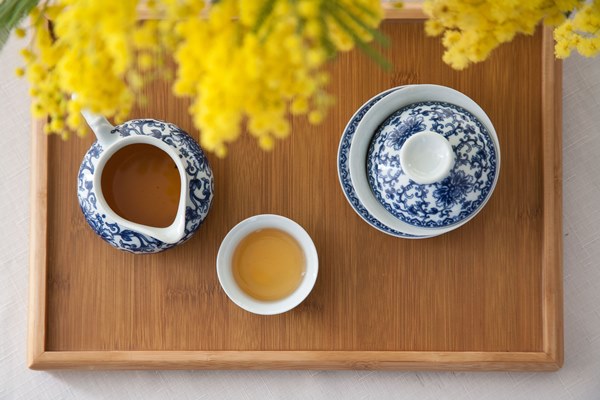
In my recent article on the development of Bulgari’s Eau Parfumée au Thé Vert, I described how Jean-Claude Ellena discovered a novel accord and created a modern classic. Since Bulgari launched the perfume in 1992, it became the green tea of fragrance. However, tea accords aren’t limited to delicate green blends, and when I began researching my article, I realized how many fragrances successfully incorporate a tea effect, both light and dark. I decided to make a list of the most interesting examples, in 10 different styles.

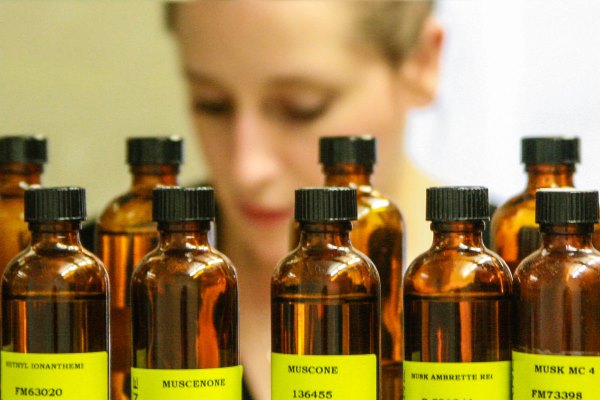
Continue reading →

California Dreaming

Alyssa Harad is the author of Coming to My Senses and here is her contribution to the Women in Perfumery series. You can learn more about Alyssa’s work and read excerpts of her book at alyssaharad.com.

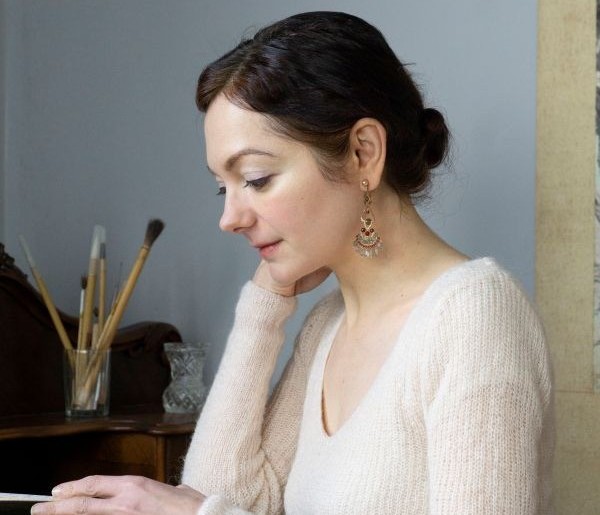
When Jessica, a.k.a. the Perfume Professor directed my attention to the July Allure article  on the “new frontier” of indie American perfumers—that is, perfumers who create and sell their own brand—and their “solitary, rugged, luminous,” distinctly American perfumes, I was struck by the absence of California as much as by the absence of women.* Few states better embody the fantasy of America (sit down, Texas). California is the eternal frontier, the last stop on the push from east to west. It’s also home to a well established indie perfume scene dominated by women who are deeply influenced by the culture and landscape of their home state. Here are a few of my longstanding favorites. This is by no means a complete list. If you have others please say so in the comments.


Natural perfumer Mandy Aftel has been creating her lush, complex natural perfumes for more than thirty years now. She surely deserves credit as an early pioneer of the American indie scene if not its progenitor. Aftel’s home studio is located in Berkeley, one block from Alice Waters’ famed Chez Panisse. Like Waters, Aftel’s innovative work marries French sophistication to a Berkeley obsession with eschewing the synthetic and highlighting the glory of natural materials. But while Waters could draw on a living tradition of French techniques, Aftel had to invent her own.

Continue reading →

Renegades, Artists, and Artisans : Women in Perfumery

“Only a few people have the supersense of smell necessary to become a Nose—for reasons known only to Noses themselves, no woman has ever had it,” wrote one Donald William Dresden in a 1947 article about “twenty noses of France.” All of these twenty noses, as Mr. Dresden explains to his New York Times readers, are middle-aged men, imposing and intellectual. At round the same time, Germaine Cellier was galvanizing traditional French perfumery with her unforgettable Bandit (1944) and Vent Vert (1947). But she remained invisible for the likes of Dresden.

Fast forward to 2017. Since 1947 perfumery around the world has been altered dramatically by the greater openness of the industry and the opportunities it gave women. One would have hoped that their contributions were honored and recognized. In July 2017 Allure ran an article, The American Perfumers Modern Approach to Fragrance. Yet, in the magazine issue devoted to diversity, the article about the American indie movement didn’t mention a single female perfumer. It’s a serious oversight, since the indie movement is inconceivable without female perfumers. Having found the traditional houses either closed to them or limited in creative opportunities, talented and ambitious creators turned to the indie approach. The former situation was especially true for women.

Continue reading →

Modern Classics : Tea Colognes and Bulgari Eau Parfumee au The Vert

Eau Parfumée au Thé Vert is an unexpected modern classic. It wasn’t even meant to be displayed outside the Bulgari  boutiques, where its role was to be an elegant extra next to the house’s jewelry collection. Yet such was its allure and originality that it became one of the perfume trendsetters. And it made Bulgari into a perfume house of note. I tell the story of Eau Parfumée au Thé Vert in my newest FT column, Tempting Tea-Inspired Perfumes. But first I take you on my honeymoon to Kerala.

Munnar, a hill station in India’s southwestern state of Kerala, is one of the country’s largest tea producers. Ensconced in the Western Ghats mountain range, the town is surrounded by plantations that cascade down the hills and hide in misty ravines. I was in Munnar for my honeymoon, and my recollections of long, languorous walks around the tea gardens, the tolling church bells and the opulence of garlands at the Sri Subramanya Temple are laced with the scent of tea leaves. Crushed in my fingers, they smelled green and tannic; when carried by the morning breeze, the aroma resembled violets and driftwood. To continue, please click here.

The other fragrances in the Modern Classic series were Serge Lutens’s Féminité du Bois and Lolita Lempicka.

Researching the article made me realize how many excellent and distinctive perfumes feature the tea accord. Next week I will share a selection of favorites to complement my choices in the article above.

Image via FT

What Does The Word Mitsouko Mean?

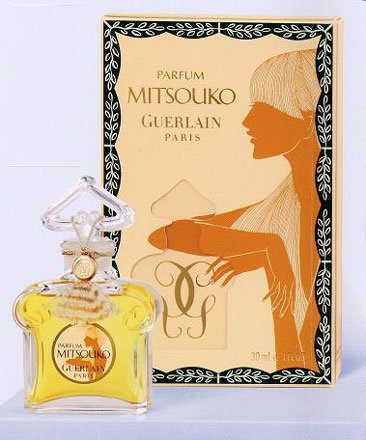
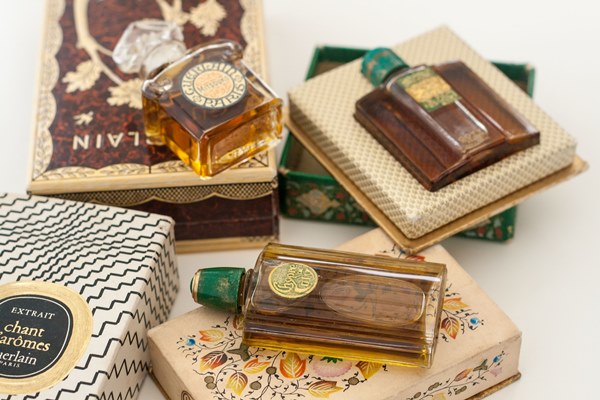
Of the legendary fragrances, Guerlain classics have some of the most beautiful names and stories to go with them. Shalimar and Shah Jahan’s gardens in Lahore. L’Heure Bleue and the streets of Paris at dusk. Après L’Ondée and a sudden May downpour. And there is Mitsouko. The fragrance created in 1919 was inspired by two extraordinary successes of its time–a perfume and a novel, Coty’s Chypre and Claude Farrère’s La Bataille. Farrère was a close friend of Jacques Guerlain, and a few years earlier Farrère mentioned Jicky in his novel Opium Smoke–“Jicky poured drop by drop onto the hands blackened by the drug.” This image delighted Guerlain enough to return the favor by baptizing a new creation after Mitsouko Yorisaka, a character in La Bataille (The Battle).

Farrère’s novel sold more than a million copies in its day, but the perfume inspired by it survived the test of time better. Much of Farrère’s work, La Bataille included, doesn’t excite. It’s a novel of conventional value and somewhat stuffy, nostalgic style inspired by Pierre Loti’s Madame Chrysanthème, Farrère’s commander during his stint with the French navy. To Farrère’s credit, unlike Loti, he attempted to present Japan as an evolving modern society, rather than a place of ikebana and geishas. The background for the story is the Russo-Japanese war of 1905, in which Japan wiped out the Russian fleet and demonstrated that the Meiji era reforms put it on equal footing with the Western powers. Farrère had spent three days in Nagasaki and had done his own research, but in the end, the plot suffers too much from melodrama and clichés borrowed from Loti, without Loti’s refined style.

Continue reading →

As Seen On

Design by cre8d
© Copyright 2005-2026 Bois de Jasmin. All rights reserved. Privacy Policy