Why Does It Matter : Ethics, Power, Perfume
In my past life as a political scientist, I wrote a thesis about the oil rich regimes of the former Soviet countries–Kazakhstan, Turkmenistan, Kyrgyzstan, and Uzbekistan. I traveled with my father in Uzbekistan when it was still part of the Soviet Union, and I fell in love with the flavors of its foods and the colors of its traditional hand-dyed carpets. But my cursory research into the atrocities committed by the post-Soviet era regime dissuaded me from ever contemplating field research there.
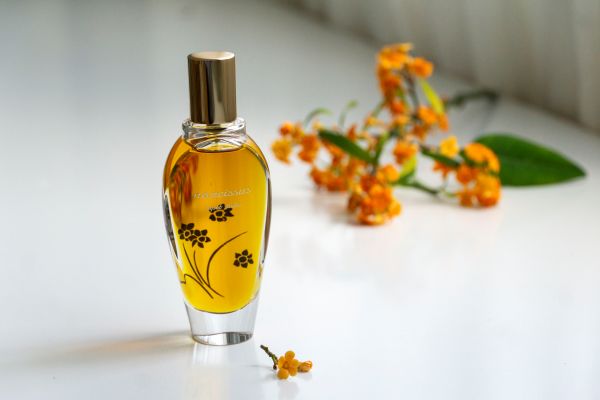
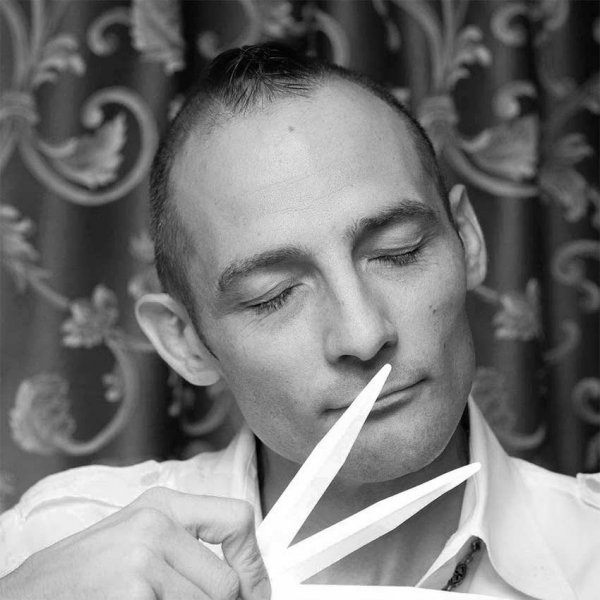
So, when I heard the news of perfumer Bertrand Duchaufоur creating two fragrances, Mystérieusе and Victоrious, for the Uzbekistan dictator’s daughter, Gulnаrа Kаrimоvа, my first reaction was disbelief. I’ve always admired Duchаufour’s dramatic and elegant perfume style as well as his unprecedented break from corporate perfumery. I completely understand that the path of an independent perfumer is a rough one, even for someone as successful as Duchaufour. Moreover, perfumers are used to take on any projects that come their way, because that’s how the supplier houses operate–you get assigned clients and you work with them, your personal preferences notwithstanding.