Victoria: 2669 posts

The (Blind) Smell Test at WWD : Update

Another update on The Smell Test series from Women’s Wear Daily is in order. As I mentioned in my previous posts, the goal is to blind test recent launches and offer anonymous opinions. All ten judges, myself included, receive fragrances in plain lab bottles, marked only by number, smell at their leisure and offer a rating from 1 to 10. WWD is one of the leading and most influential fashion and beauty publications, and it’s a great platform for such a project.
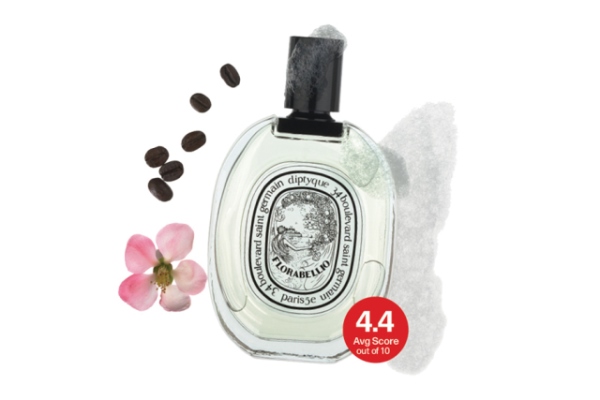
diptyque-florabellio-test

The latest perfumes tested were as follows:

Creed Royal Mayfair

Diptyque Florabellio

Aedes de Venustas Palissandre d’Or

Kate Spade Walk on Air

Editions de Parfums Frédéric Malle Cologne Indélébile

The Smell Test feature is available without subscription.

My personal favorite from this batch was Florabellio, a quirky, strange thing but quite compelling.
“Noble” Materials

It seems that the niche houses, and everyone else in the know, have received a memo advising that the new trendy thing is noble materials. It can be the only explanation for the surfeit of noble verbiage in the press releases that pass my hands. “We are reviving the venerable traditions of the art of perfumery using only noble materials.” “The combination of noble materials and extreme sophistication takes your breath away.” “Our extraordinary fragrances are pure, authentic and use high concentrations of noble materials.” “We use only 100% all-natural noble materials, no water, other toxins or chemicals.” I will stop here before all of us start losing IQ points.

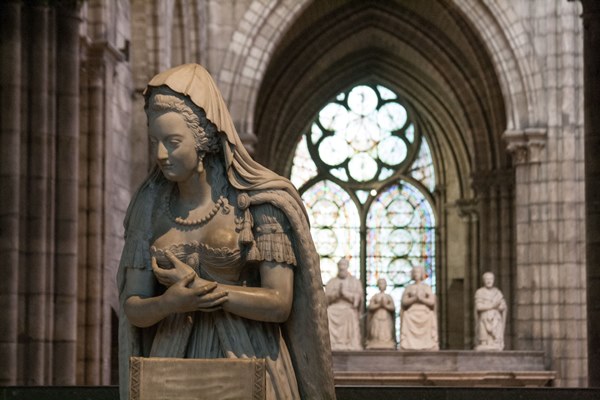
marie-antoinette st denis

So what is this social hierarchy in scent all about? In French, the phrase “matières nobles” generally refers to substances that are not synthetic, but it can also mean anything fine and luxurious, especially in the world of fashion. Even in science, where the “noble metal,” a term dating to the late 14th century, means a metal that doesn’t corrode or oxidize in humid air, different disciplines have their own lists of materials.

Continue reading →

Paper Passion

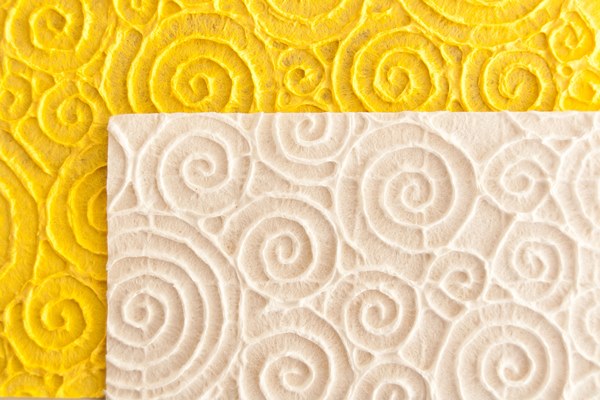
The most marvelous things are the ones we take for granted. Consider a sheet of paper. A plain white leaf. You may cover it with a print-out of this article, handwritten grocery lists, a sketch of the view outside your window or profound observations on life. One page contains much history–from the Han Dynasty China (the earliest piece of paper discovered dates to 179-41 BC) via the Muslim polymaths traveling the Silk Road to the glittering cities of Uzbekistan, and from there to the Iberian Peninsula and the rest of Europe. In France, the first papermill was established in the 12th century AD. Nuremberg set up the production of paper in 1390. Sweden held out till 1612. So paper is of relatively recent vintage in the western world.

mulberry paper1

In high school we once had a papermaking class, an experience our art teacher insisted was essential for our understanding of the world. It turned my rather practical interest in paper into passion, because once you see the intricate process of creation, nothing is ever the same. The technique we used was remarkably similar to how the first sheets of paper were made in the Chinese Imperial court.

Continue reading →

Givenchy Live Irresistible : Perfume Review

11111

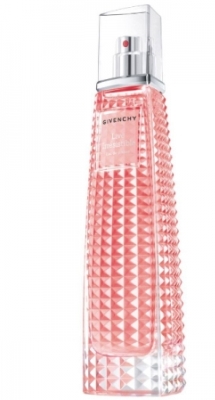
Following a nefarious example set by Lancôme La Vie est Belle, perfume copywriters have assumed the role of social philosophers. “We live only once,” proclaims the press release for Givenchy’s Live Irrésistible, but I’m not sure why I’d fritter away my time on earth in the company of their fragrance.

Givenchy-Live-Irresistiblegivenchy2

Like many of the recent LVMH perfumes (Givenchy is controlled by the conglomerate), Live Irrésistible seems like a focus group driven creation, where the each component is augmented to be likable. Desperate to please, Live Irrésistible heaps together everything that women are thought to like–a sweet, juicy top note, clean florals, and sweet amber drydown accented with cotton candy, all tinted pink. The result should at least be cute, but somehow it ends up as dowdy and bland.

Continue reading →

Perfumes and Books : a scented story

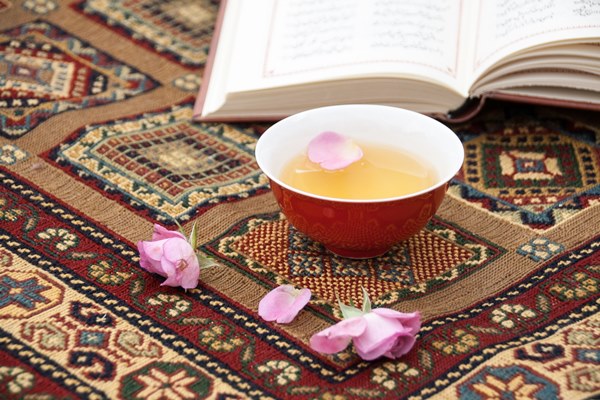
Are scents really that difficult to translate into words? I don’t think so. We only lack practice. Moreover, if you explore literature and poetry, from Colette to Hafez, from Virginia Woolf to Gustav Flaubert, you can find many examples of writing in which aromas play an essential role. They can help us imagine the development of a plot, the emotions of characters or even the state of the divine.  My latest FT Magazine column Perfumes and Books is about such scented stories.

hafez1

“Fragrances are intangible and evanescent – hence the assumption that they are beyond the linguistic capacity of humans. Such difficulties need not be the norm. Open Virgil, Tales of the Arabian Nights, Proust, Zola or Persian poets like Hafez and Nizami, and discover how aromas can be given form and language. Invisible though scents are, they become more powerful when captured in words. To continue, please click here.”

Any other favorite examples of sensory descriptions in poetry or literature?

Photography by Bois de Jasmin

As Seen On

Design by cre8d
© Copyright 2005-2026 Bois de Jasmin. All rights reserved. Privacy Policy