Culture: 426 posts

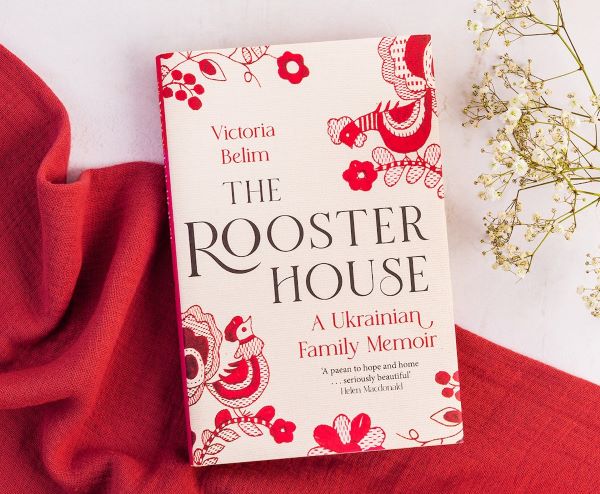
Art, travel, books, history. About my book, The Rooster House.

Pysanka Easter Egg Museum in Kolomyia, Ukraine

Decorating eggs is an ancient tradition, still alive in many countries, from Iran to Greece, but in Ukraine it becomes an art form–and a national obsession. Pysanka, as the decorated egg is called, from the word “pysaty”, “to write,” is  one of the most important traditional arts in Ukraine. Today pysanka (plural is pysanky) is prepared around Easter, although decorated eggs were also used to be given as birthday gifts and wedding presents. Each region has its own set of symbols, colors and patterns, while each master adds their own signature touch.
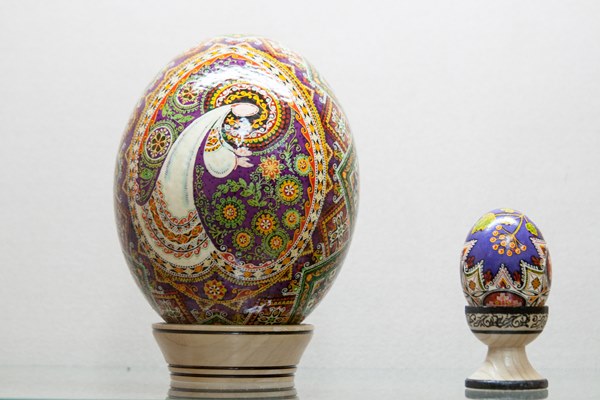
It’s not surprising then that Ukraine should have a museum dedicated to the pysanky. The Pysanka Museum in the western Ukrainian city of Kolomyia is one of the most fascinating museums I’ve visited. The museum was a labor of love of the local community that collected the best examples of its pysanka masters and preserved them in the Kolomyia church of the Annunciation. In 2000, the museum was formally opened, allowing for preservation of the fragile masterpieces, as well as for hosting workshops and lectures. Walking through its halls filled with more than 1000 pysanky is a mind-blowing experience. It’s hard to believe that such intricate designs are made by human hands.
Continue reading →

Easter Eggs Colored With Onion Skins

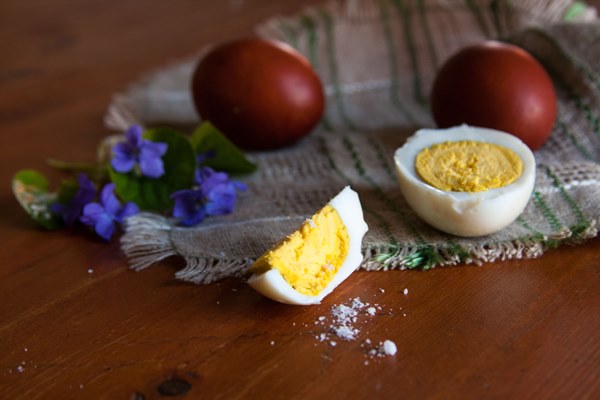
I see the Easter color palette as yellow, violet, green, and sienna. Yellow is from the saffron tinted paska, a vanilla scented brioche we traditionally make for Easter Sunday. Violet is from the candied flowers we use to decorate it. Green is from the dill and cucumber salad that must accompany the roast pork. Sienna, on the other hand, is from the color of Easter eggs. It’s a rich hue, between the reds of Sienna frescoes and the brown of sandalwood. This color is completely natural and making it is very easy. All you need is a few handfuls of onion skins.


My grandmother starts collecting onion skins a few months before Easter, but she colors dozens of eggs. Most of us need no more than a few onions, although the more skins you have, the darker the color will be. It also follows that the darker the onion skins, the more intense the shade of sienna.

Continue reading →

The Garden of the Seven Beauties of Nezami

For the Persian New Year and the vernal equinox, the first day of spring, I would like to take you to a secret garden with thousands of blossoms and thousands of scents. The passage will be provided by the twelfth-century Persian poet Nezami, who described this enchanting place in his poem Haft Peykar, The Seven Beauties.

Nezami (1141-1209), also known as Nizami Ganjavi, lived in the city of Ganja, the area of Azerbaijan that was part of the Persian empire until the 19th century. Like most poets of his day, Nezami had skills in various branches of arts and science. He was a philosopher, a mathematician, an astronomer, a historian, and a botanist, to name only a few fields in which he was skilled, and his marvelous erudition and knowledge of Persian literature and folklore make his works vivid.

Continue reading →

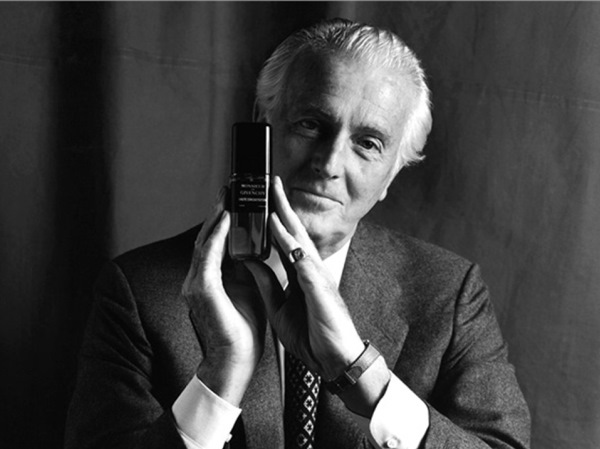
Monsieur de Givenchy : Cinema, Fashion, and Perfume

The great couturier Hubert de Givenchy passed away at the age of 91 on March 12th. It’s fitting that in remembering him every obituary mentions his collaboration with Audrey Hepburn. It was thanks to her that he found fame, recognition, and a chance to design the wardrobes of Jackie Kennedy Onassis and Princess Grace of Monaco. Today we take for granted celebrity endorsements, but in the 1950s it was novel. Yet, the collaboration between Givenchy and Hepburn was different from today’s business ventures between Hollywood stars and designers. The duo inspired each other, serving as each other’s muses. Givenchy’s clean, elegant lines and innovative techniques left a lasting imprint on fashion.

Hepburn contacted Givenchy to design her clothes for Sabrina (1954). Givenchy was in his 20s, running his first boutique on Plaine Monceau in Paris, having previously trained with Elsa Schiaparelli. Givenchy had an impressive career working for Christian Dior, Jacques Fath, Lucien Lelong, Pierre Balmain and Robert Piguet, but he was unknown. Hepburn felt that his designs would be perfect for a young woman who returns from a sojourn in Paris. The Hague exhibit told the story of Givenchy initially refusing the offer. As he told at the interview recorded for the museum, “I was busy preparing my next collection so I told her I wouldn’t be able to do it, but she was very persistent. She invited me to dinner, which was unusual for a woman to do back then, and it was at dinner that I realized she was an angel.”

Continue reading →

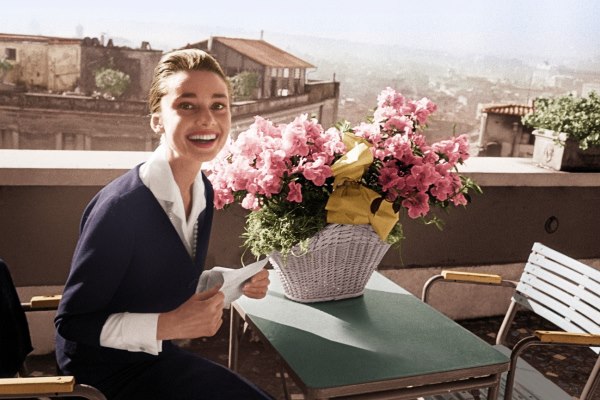
Audrey Hepburn : Scent, Spring, Rome

The other day I was reading through old issues of Vanity Fair and found an interview with Luca Dotti, the second son of Audrey Hepburn. He was reminiscing about his mother, her relationship with his father, her acting career, her dismissive attitude to her looks, her thoughts on aging and the things she enjoyed the most. Audrey Hepburn’s image is such a familiar one that it’s difficult to see the real woman behind the large glasses, little black dresses and Givenchy couture. Dotti’s interview, however, is refreshing, and those who find Hepburn fascinating should take a look at it.

Yet, one part above all others caught my attention. Dotti was describing the ways in which his mother remains in his life and the small things that remind him of her. He said that he and Audrey had a ritual of noticing scents–of flowers, food, any other aromas. Audrey had an acute sense of smell, and when Dotti is thinking of scents, he feels that his mother is near.

When asked in what way his mother remains most physically present in his life, Dotti says, “Through scent.” Not perfume, but “the light sensation of a smell,” Dotti says his mother preferred. “We joked a lot together about the fact that both she and I have a very good sense of smell. So there are certain scents, you know, a certain cake, or a flower, things like that. It’s not so physical, but it’s powerful. And every spring, especially here in Rome, you have this smell of orange blossom in the air. Spring is coming and it was her favorite season. It makes me think of her.”

Continue reading →

As Seen On

Design by cre8d
© Copyright 2005-2026 Bois de Jasmin. All rights reserved. Privacy Policy