Culture: 426 posts

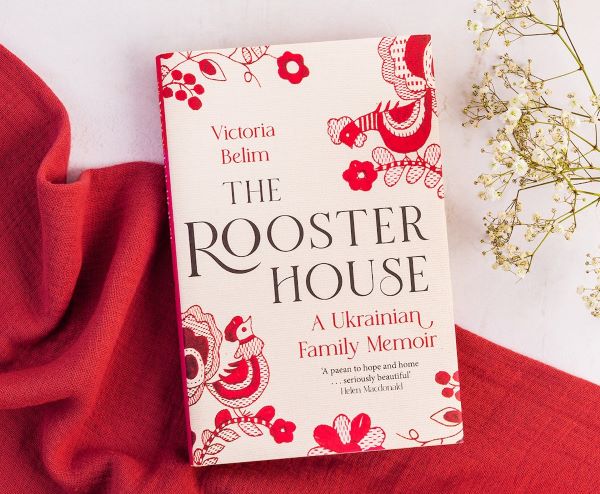
Art, travel, books, history. About my book, The Rooster House.

Days of Reading

Two weeks ago, talking about an essay by Marcel Proust, I wrote about the place that the word “reading” evokes for me. Finding myself in this very spot, I wanted to share it with you. It’s located near Poltava, one of the oldest towns in Ukraine, although our garden is far enough from the bustle of the town. The apricot tree I mentioned has long been gone, as have the people who planted the garden, my great-grandparents, but the cherry orchard, the hammock, the thicket of jasmine are still there. And so I am with my book.
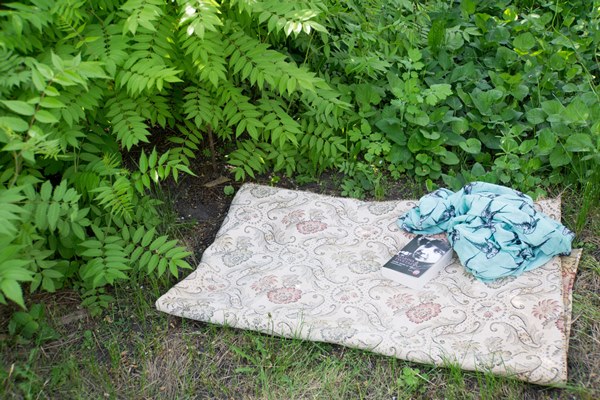
I spread the blanket under the bush we call “the nightingale’s tree.” It grows tall fronds covered with fuzzy, honey-smelling white blossoms. The cherries are still green, but it’s still early, it’s still spring, and I don’t rush headlong into summer.

My book today is Vivre Dans Le Feu: Confessions (Living in the Fire: Confessions) by Marina Tsvetaeva. It’s a compilation of the poet’s letters and diaries made and commented by the late Tsvetan Todorov. In English, I recommend a similar compilation, but spanning only the years between 1917 and 1922, Earthly Signs, recently translated and edited by the New York Review of Books. On the other hand, if you’re new to Tsvetaeva’s poetry, I would suggest starting with her magnificent The Poem of the EndThe Poem of the Mountain, and The Ratcatcher.

Perhaps, I’ve asked you this already, but if not, where do you like reading?
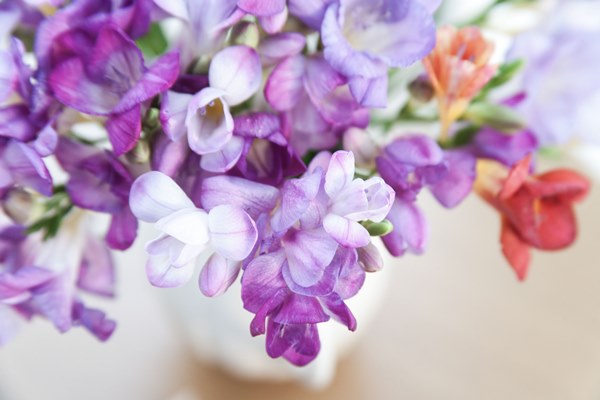
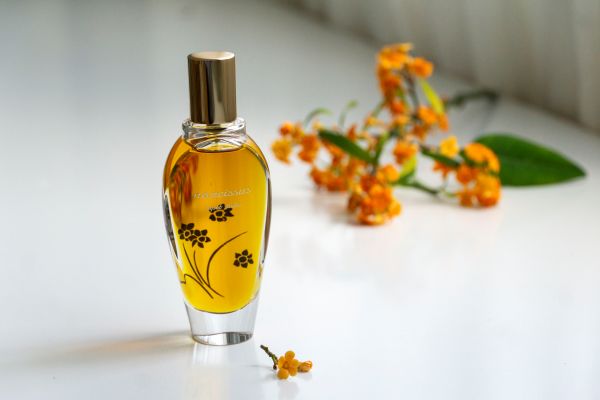
Haiku of the Day : Freesia Fever

I doze off
In the scent of freesias
High fever.

Je somnole encore
Dans l’arôme des freesias…
Forte fièvre.

This haiku written by Mariko Koga (b. 1924) is from an excellent collection of haiku written by women poets, Anthologie Du rouge aux lèvres. Translated by Dominique Chipot and Makoto Kemmoku (public library). The English translation is mine.

Photography by Bois de Jasmin

Marcel Proust on Reading and Recapturing Time

If you were to give me the word ‘reading’ and ask me to describe the first thing that it evokes, I’d describe a secluded corner in my grandmother’s garden where an old apricot tree cleaved in two by a bolt of lightning grew a wild canopy and made for a perfect hideaway. I would spend hours reading under the apricot tree’s branches, occasionally reaching for a fuzzy, under-ripe fruit. In my memory it’s not the individual books themselves that stand out, but rather the pleasure of reading and the emotions it inspired. And the sour almond taste of green apricots.

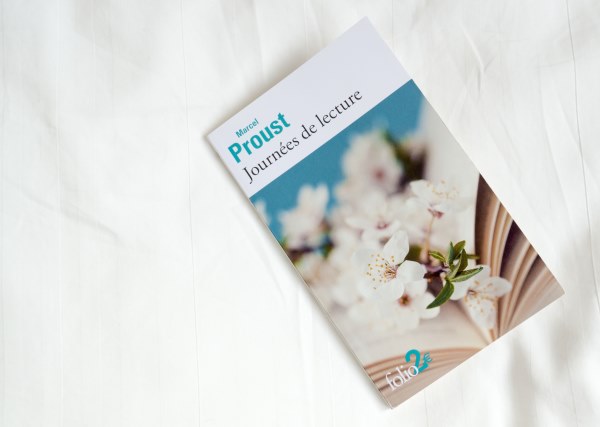
Marcel Proust conceived Journées de Lecture, Days of Reading (public library), as an introduction to his translation of John Ruskin’s Sesame and Lilies. Proust had not yet written his novel, but his discovery of the famous Victorian art critic’s work was a major milestone, and in the introductory essay one can already detect the makings of the writer of Remembrance of Things Past. For all of Proust’s admiration of Ruskin, he disagrees with the critic’s statement that books are a conversation with the sages. Instead, Proust finds the pleasure of reading in the way books prompt us to look for answers to life’s riddles on our own. Art is not didactic. It is stimulating. It doesn’t instruct. It inspires.

Continue reading →

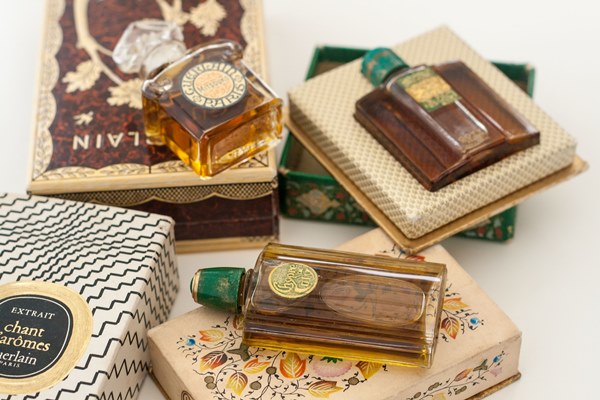
Scents of the Burgundian Spring : The Perfume Course

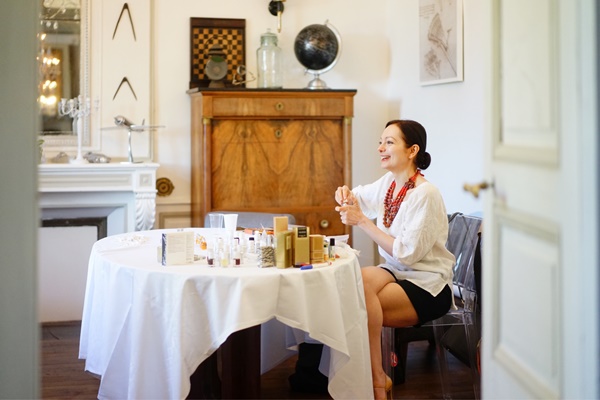
Wrapping up yet another perfume course, I want to linger over each moment that we shared together and examine how far we’ve come over three days of intensive studies. Originally, my course took shape as a rigorous training program for perfumery professionals, aimed at educating people who work in the perfume industry (but who haven’t had perfumery training) and to give them an appreciation for perfume history. When I adapted it for fragrance lovers, I discovered that my method worked to help anyone, regardless of their knowledge of fragrance or background, to sharpen their sense of smell, learn how to smell and how to analyze mixtures from the simplest to the most complex.

Even as I teach the subject I’ve spent more than a decade exploring, I discover new facets to familiar scents, new ways of talking about aromas and new ways of connecting different sensory impressions. It’s because of the subject matter itself, which is vast, but also because of the people who come to my classroom–and to Bois de Jasmin–and their willingness to share their experiences. Thank you to all of you!

Continue reading →

An Anemone Walk

A few kilometers south of Brussels lies the Hallerbos (Bois de Hal in French), also known as the bluebell forest. I’ve written about it previously and shared photos of its turquoise tinted valleys during the bluebell season which starts around mid-April. This year, however, I went to the forest earlier to see the anemones.

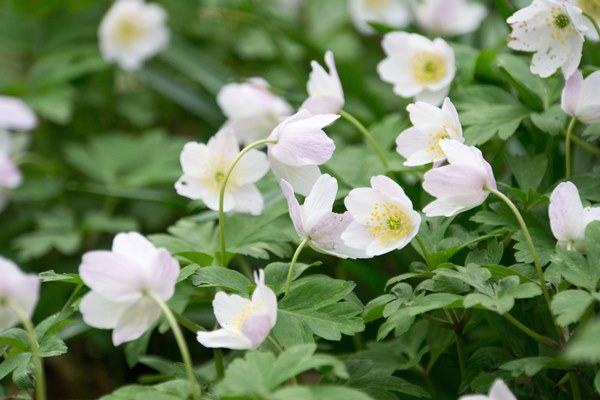
Although less striking in color than bluebells, woodland anemones have a graceful beauty. Their flowers are white, with delicate pink veining and as they turn to follow the sun, they look opalescent.

Continue reading →

As Seen On

Design by cre8d
© Copyright 2005-2026 Bois de Jasmin. All rights reserved. Privacy Policy