Culture: 426 posts

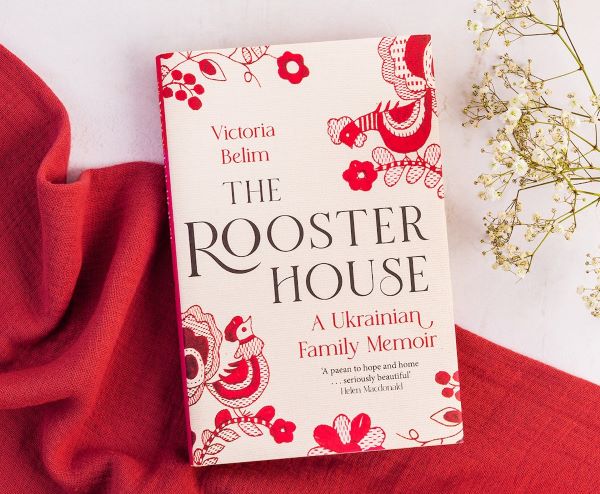
Art, travel, books, history. About my book, The Rooster House.

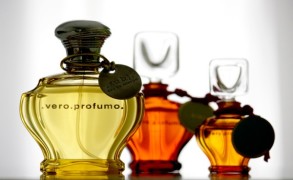
Le Flacon : Kyiv’s Perfume Gem

I have long held that the owners of perfume boutiques all over the world have more similarities than differences–artistic dispositions, creative personalities and a boundless passion for fragrance. It’s not enough to be a good manager and sales person to run such a specialized enterprise. One needs to inspire visitors to learn new things, to expand their horizons and to step outside their comfort zone. For this, energy and knowledge are essential, but so is passion.

le flacon

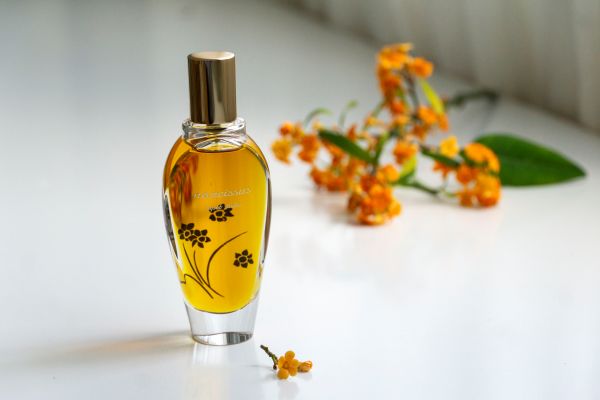
Walk past the fanciful House with Chimaeras, whose dolphins and monsters look as if they are about to tumble down on the guards patrolling the Ukrainian President’s office. Then continue past the former residence of  the ballet dancer Serge Lifar and the pale blue Ivan Franko Theater that looks like a Ladurée pastry. Tucked away nearby is Le Flacon, a boutique run by a team of perfume lovers.
Continue reading →

Beautiful Prose

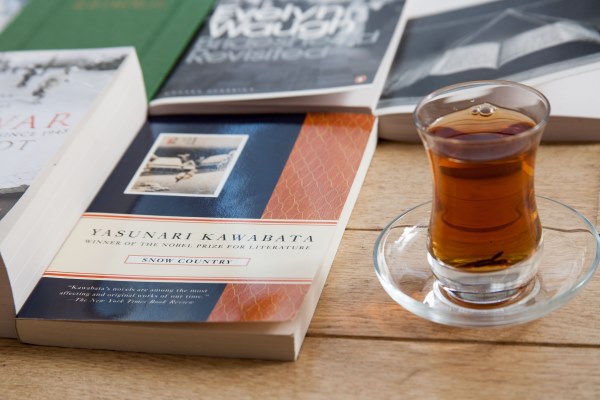
Halfway through my graduate studies, I remember experiencing an intense craving for beautiful prose. I was training as a political scientist, and the texts on politics and economics, written by academics for other academics in a dry style favoring passive construction, began to make me listless. Respite arrived in the form of George Orwell’s essay “Politics and the English Language,” which remains one of my favorite pieces of writing–clear, concise, powerful.

books

Beauty, of course, is in the eye of the beholder, or reader. When I think of the books that left the biggest impression on me, they are written in a crystalline clear style, poetic but without unnecessary embellishments. Beautiful prose to me is a harmony between substance and style.

I don’t intend to compile a comprehensive list, merely a snapshot of my favorites today, but if I were to create an anthology of beautiful writing, Evelyn Waugh’s Brideshead Revisited (1945) would be one of the star contenders. Set before the Second World War, it is the story of one man’s infatuation with the aristocratic family and their world. There is passion, loss, betrayal and reflections on faith and religion. Waugh’s most introspective novel and also his most masterful, it combines beautiful writing with sharp observations on upper class society and its decline.
Continue reading →

Paper Passion

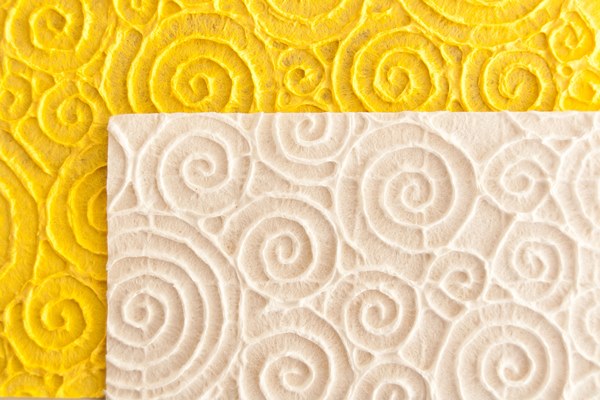
The most marvelous things are the ones we take for granted. Consider a sheet of paper. A plain white leaf. You may cover it with a print-out of this article, handwritten grocery lists, a sketch of the view outside your window or profound observations on life. One page contains much history–from the Han Dynasty China (the earliest piece of paper discovered dates to 179-41 BC) via the Muslim polymaths traveling the Silk Road to the glittering cities of Uzbekistan, and from there to the Iberian Peninsula and the rest of Europe. In France, the first papermill was established in the 12th century AD. Nuremberg set up the production of paper in 1390. Sweden held out till 1612. So paper is of relatively recent vintage in the western world.

mulberry paper1

In high school we once had a papermaking class, an experience our art teacher insisted was essential for our understanding of the world. It turned my rather practical interest in paper into passion, because once you see the intricate process of creation, nothing is ever the same. The technique we used was remarkably similar to how the first sheets of paper were made in the Chinese Imperial court.

Continue reading →

Perfumes and Books : a scented story

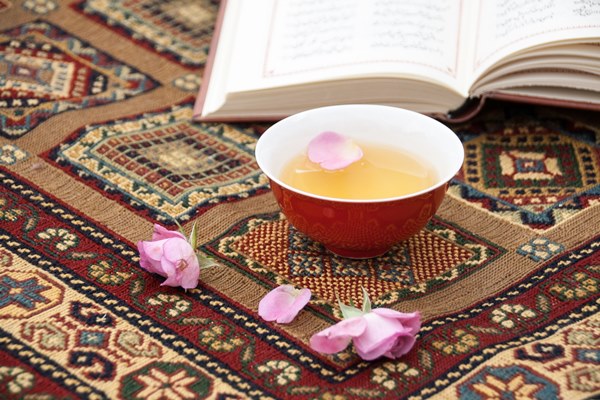
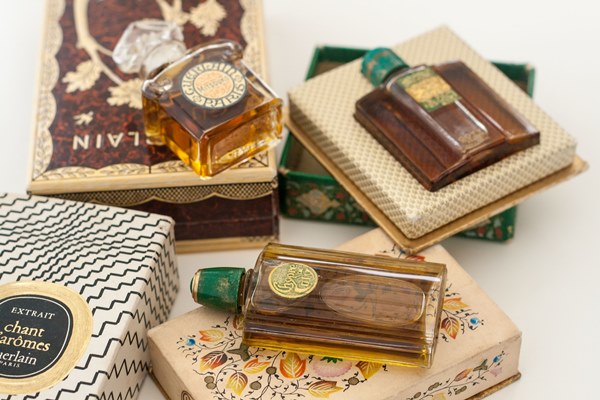
Are scents really that difficult to translate into words? I don’t think so. We only lack practice. Moreover, if you explore literature and poetry, from Colette to Hafez, from Virginia Woolf to Gustav Flaubert, you can find many examples of writing in which aromas play an essential role. They can help us imagine the development of a plot, the emotions of characters or even the state of the divine.  My latest FT Magazine column Perfumes and Books is about such scented stories.

hafez1

“Fragrances are intangible and evanescent – hence the assumption that they are beyond the linguistic capacity of humans. Such difficulties need not be the norm. Open Virgil, Tales of the Arabian Nights, Proust, Zola or Persian poets like Hafez and Nizami, and discover how aromas can be given form and language. Invisible though scents are, they become more powerful when captured in words. To continue, please click here.”

Any other favorite examples of sensory descriptions in poetry or literature?

Photography by Bois de Jasmin

7 Mimosas and Carmen

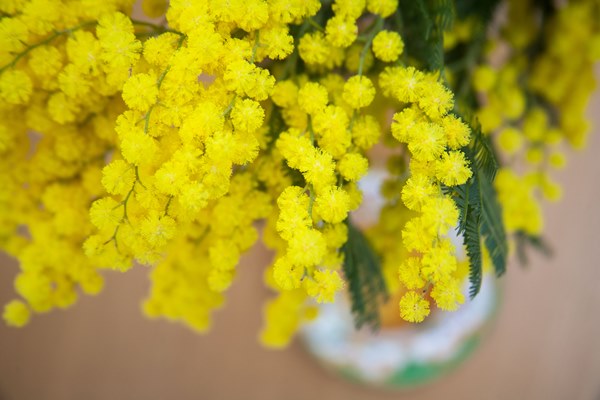
The scene: Brussels, an early evening cast in grey light. A woman walking slowly down the street. Behind a window covered with condensation she sees It. If it were a French New Wave film, the woman would have met the love of her life with whom she’d spend the next hour and a half exchanging meaningful glances and an occasional quote from a postmodern philosopher. But being my life, this is an evening when I find mimosa.

mimosa and tea

No flowers make me lose myself the way these fluffy yellow pompoms do. I’m not the only one–a heavily pregnant friend once traveled from Brooklyn all the way to Manhattan just because she heard that one florist shop on the Upper West Side might have received a shipment of mimosas. When I walk home, my arms filled with the bouquets, even the darkening light seems to radiate the same lemon yellow color.

Continue reading →

As Seen On

Design by cre8d
© Copyright 2005-2026 Bois de Jasmin. All rights reserved. Privacy Policy