April 20, 2016 by in Travel
Postcard from Kyiv
The days of rain, pink petals clogging the gutters and the sour-sweet smell of poplar buds. Spring in Kyiv.
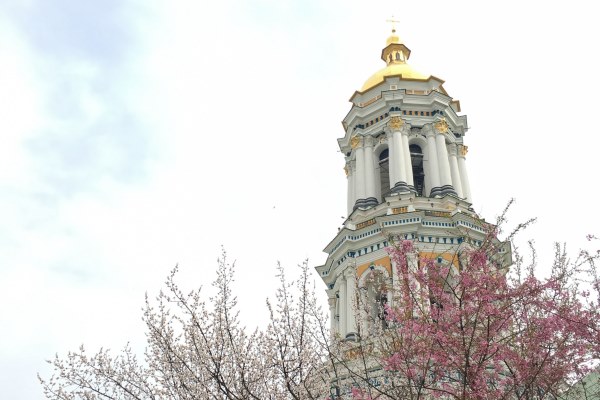
Photography by Bois de Jasmin
Searching for scents and sensory traditions around the world.
The days of rain, pink petals clogging the gutters and the sour-sweet smell of poplar buds. Spring in Kyiv.
Photography by Bois de Jasmin
Brussels has an image problem. Its city planning suffered from an overly strong infatuation with brutalist architecture in the 60s and resulted in stupendously hideous constructions, which include some of the EU buildings. The tug of war between the regional governments–and the arcane laws–leave the city underfunded and disorganized, and construction projects can drag on for years. The bureaucracy is byzantine, and getting mundane things done, like opening a bank account or registering oneself with a commune, often turns into one of the labors of Hercules. The weather also doesn’t win bonus points. “Why on earth Brussels?” asked my mom when I told her that we were moving.
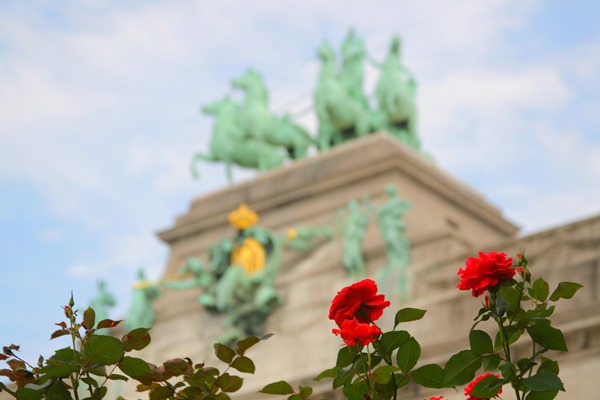
My first impression of Brussels on a freezing winter day was unpromising. I emerged out into the chaotic area near the Gare Centrale and found myself in a grey tinted mash up of 19th century curvy facades and faceless cement boxes. By the time I reached the Grand Place, I had to pass through so many rings of tacky haunts selling cheap souvenirs and touristy trinkets that even the elegance of the Renaissance guild houses inside the central square seemed compromised. Eventually my husband and I made our way to Quai aux Briques, an esplanade dotted by baroque and medieval buildings. We drank hot chocolate as rain darkened the façade of Sainte Catherine church and turned the square into an Impressionist painting–and suddenly the city felt like a place where I could live.
I have long held that the owners of perfume boutiques all over the world have more similarities than differences–artistic dispositions, creative personalities and a boundless passion for fragrance. It’s not enough to be a good manager and sales person to run such a specialized enterprise. One needs to inspire visitors to learn new things, to expand their horizons and to step outside their comfort zone. For this, energy and knowledge are essential, but so is passion.

Walk past the fanciful House with Chimaeras, whose dolphins and monsters look as if they are about to tumble down on the guards patrolling the Ukrainian President’s office. Then continue past the former residence of the ballet dancer Serge Lifar and the pale blue Ivan Franko Theater that looks like a Ladurée pastry. Tucked away nearby is Le Flacon, a boutique run by a team of perfume lovers.
I like Belgian rain. It sounds like a strange admission, but there you have it. Partly, it’s because I don’t like summer and heat. Another reason is that rain is an inescapable fact of life here, and my choices to deal with it are either to follow the lead of the Belgian Santa Klaus and move to Spain or to complain nonstop. The former is infeasible, and the latter is tiresome. Instead, I begin to think of rain as something with beauty of its own.
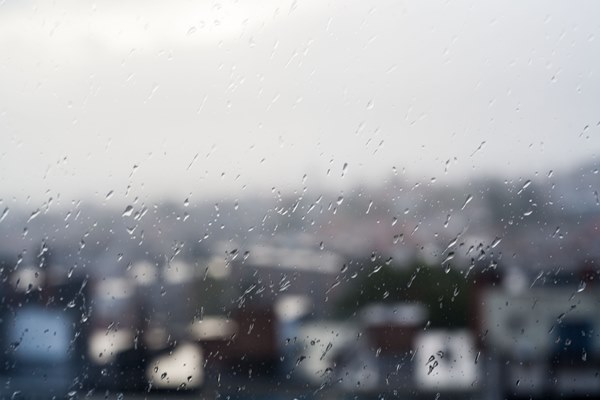
And beautiful it can be. The fine mist that often marks the beginning of Belgian winter has a pearly glow, transforming the familiar red rooftops of the city into an Impressionist etude of soft brushstrokes. It’s the kind of rain that fools you into thinking that you will be fine without an umbrella, but it drenches you in a matter of seconds. When you’re at home, with a cup of tea and a good book, this rain is romantic and serene. Turn off the email notifications, add a drop of an iris perfume like Chanel No 19 or Annick Goutal Heure Exquise–rooty, cool iris smells of rain, so it’s an ideal companion–and imagine that the world has just stood still, apart from the changing patterns of raindrops on the window.
The morning sun streaming through the stained glass windows throws a confetti of colors onto the walls of the Masjed-e Nasir al Mulk. The unusual rose petal shade of its tile work–different from the vivid blue favored elsewhere in Iran, gives this mosque a romantic aura. Then again, Shiraz, a town in southern Iran where Nasir al-Mulk is located, is imbued with romance, from its lush orange filled gardens to the tombs of its illustrious poets where people gather to recite favorite stanzas. All of this exists next to the modern Shiraz of skyscrapers, expressways and high-speed communication technologies, a combination that first strikes me as unexpected.
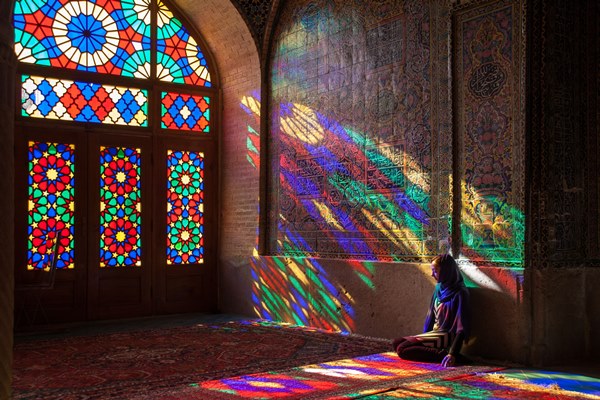
Before long, however, I get used to such contrasts. “What does it remind you of?” ask friends and family, but the truth is that Iran is unlike any other place I’ve visited. It is a sophisticated, twenty-first century country with its own distinctive culture. It’s neither the saccharine vignette of roses and nightingales of the Victorian orientalists nor the grim and humorless vision of western newspapers. It’s much more complex, much more interesting and much more beguiling. From the first day I landed in Tehran and began to explore the sprawling, crowded capital city, I felt comfortable enough to venture wherever my curiosity took me. Thanks to the good will of ordinary Iranians, who are delighted to explain their country to a foreigner, my discoveries were constant.
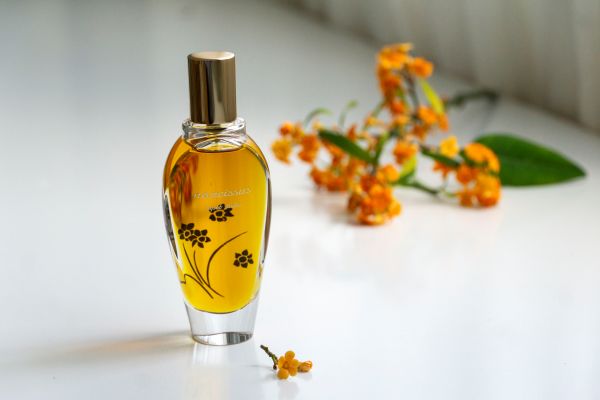
Saturday, October 17, 2026
18:00–19:30 CEST / 12:00–13:30 EDT
Online · 1.5 hours (recording will be available)
Price: €60
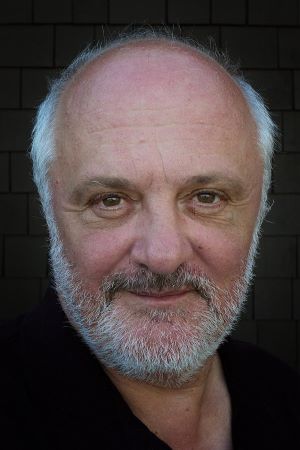
A recording of a workshop with Luca Turin at Pitti Fragranze, talking about his favorite perfumes and discoveries. The funds support my volunteer work in Ukraine.
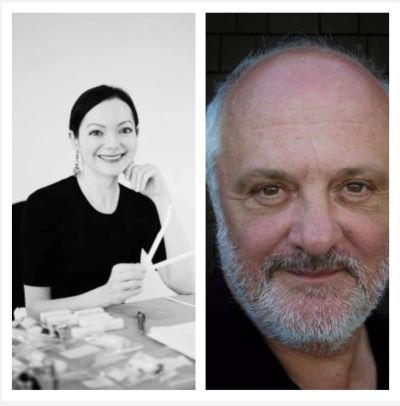
Recording of a seminar.
Luca and Victoria speak for 1.5h on topics included, but not limited to: vintage perfumes, our favorite fragrances, trends we hate, industry gossip. No one will be spared. All will be entertained. Funds will be used to support charity projects in Ukraine.
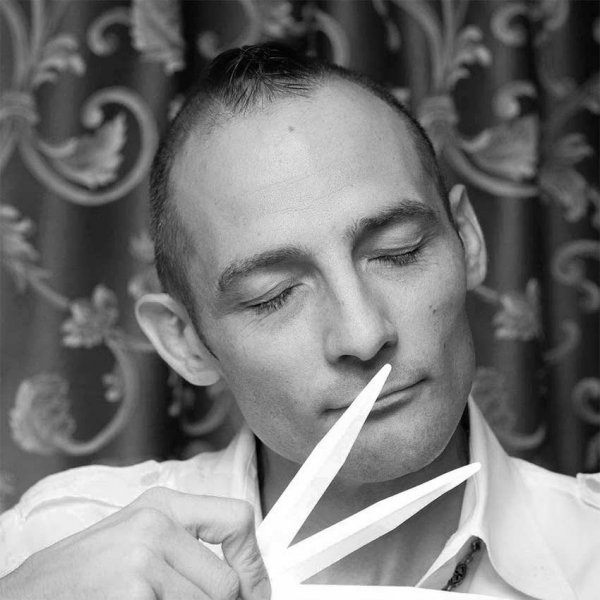
Recording of our session on the future of perfumery.
Price: €50
Class location: Brussels
Date: contact for availability
Class duration: 2.5 hours
200€/per person
Students of all levels of interest in perfumery will find much to learn in this series of lectures. The lecture is designed to sharpen your sense smell and improve your enjoyment and appreciation of scents. You will learn professional smelling techniques and receive personalized tips. You will learn how to smell complex aromas and about the main criteria of a well-made fragrance–and how to look for them.
Online and in-person classes are available.