Tea and Drinks: 46 posts

Recipes for drinks, beverages and liqueurs

Jasmine Pearl Tea

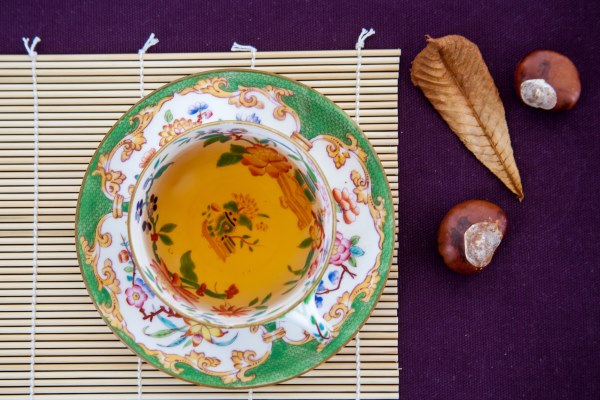
Weekday mornings are frequently humdrum and rarely exciting. To take them to the level of exquisite takes an imaginative mind. Such as that of my mother. One of her solutions is to set aside time at the start of each day for tea or coffee in her favorite cup, and so devoted is she to this tradition that every member of the family, including the cats, now has a designated “favorite cup.” I don’t have a single favorite, because whenever I pass by one of the dusty antique stores in Sablon, I come away with yet another mismatched vessel bearing a green chinoiserie pattern, garlands of tiny roses or a faded landscape of windmills and meadows. But I too am a believer in adding a dose of exquisite to every morning. Since jasmine pearl tea is one of the most perfect things in the world, it’s my panacea for the monotony.
jasmine-pearl-tea-1

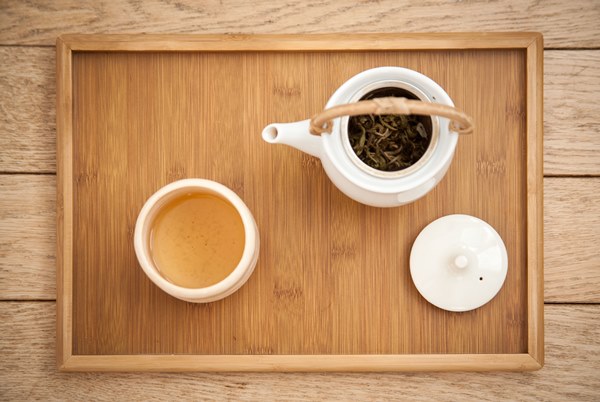
Everything is beautiful about jasmine pearls–the shape of the fuzzy tea buds rolled by hand into neat pebbles, the gold amber of the liquid in the cup, the sunlit aroma of flowers. The latter is the reason why I prefer this jasmine tea variety to any other. Think of your most blossom festooned fantasies, and here you have them–in a cup. The richness of flavor and aroma comes from the complex process that approximates the ancient technique of enfleurage. Tea leaves and jasmine flowers are arranged in alternating layers and the blossoms are replaced every four to six hours. The scenting is repeated up to seven times for the highest quality of jasmine pearls, which are made with young tea buds.
Continue reading →

Estonian Blue Tea

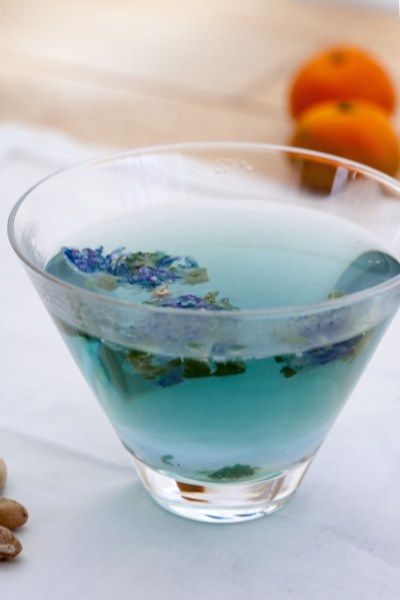
The tea in my cup was bright blue. The friend who gave me a herbal mixture for what she called “Estonian Blue Lagoon Tea” promised lots of color, but I still didn’t expect a shade of aquamarine. The taste was refreshing and minty, perfect as both a cooling summer drink and a morning pick me up. I wondered what the famous devotee of herbal teas, Agatha Christie’s Hercule Poirot, would make of it. What was this mysterious blue herb?

blue-mallow-tea

Poirot’s detective skills weren’t needed to discover that Estonian tea, or more properly tisane, since it contains no true tea leaves, is made of blue mallow or hollyhock. It’s the same plant that the Roman scholar Pliny recommended for so many ailments that it became known as an omnimorbia, or cure-all, while the feisty Japanese lady-in-waiting Sei Shonagon found its beautiful flowers most unsuitable if worn in frizzled hair. All of this only added to the appeal of my Estonian discovery, which I loved as much for its gorgeous color as its soft floral taste.

Continue reading →

Warmth and Comfort: Perfect Teas for Autumn

Andy invites us to share a cup of tea.

I’m never really sure autumn has begun until I can smell the fallen leaves. Even as the trees begin to shed their green coats, sporadic warm days and bright sunshine deliver teases of summer. Nonetheless, once the leaves begin to tumble, so fall the tea leaves into my cup, and when dried foliage starts to crunch underfoot and release its crisp perfume of vetiver, myrrh, and scorched citrus peels, I know I’m in another season. Much in the way I select a perfume to wear, I often tailor my choice of tea to harmonize with the seasonal scents that naturally color my day. Whether you wish to reflect the time of year in your teacup or simply want to experience a taste of fall wherever you are, below are some of my favorite autumnal teas.


tea-autumn

The Art of Tea Caramelized Pear

I never would have believed a tea could deliver on a promise as specific as caramelized fruit, but this offering by Art of Tea actually does. The real wonder lies in a pear flavor married perfectly with the toasty softness of rooibos, so as to create the effect not merely of pears, but those slowly baked in the oven and glazed with golden sugar. This herbal tea is an indulgent choice, but even a sometimes tea-purist like myself can appreciate the autumnal embrace of this comforting cup.

Continue reading →

Bitter and Sweet Chamomile : Perfume and Tea Note

I am spending a summer afternoon at my grandmother’s in my favorite manner–stretched out on the grass, reading a book. Absentmindedly, my eyes glued to the page, I pick a small flower from a patch in front of me and bring it to my nose. In that instant, I forget about the book, and the only thing capturing my attention is the poignantly familiar aroma of chamomile, of bitter honey and green apple.

chamomile3

The reason chamomile, a simple, ubiquitous flower, puts me under its spell so quickly is that the herb used to be a favorite cure-all remedy in our household during my childhood. It was used in tisanes to help me sleep, lotions to soothe rashes or hair rinses. It’s the smell of summer in the countryside, and when my great-grandmother was alive, at this time of summer we picked baskets of chamomile and dried them in the shade. These days we don’t bother anymore, and my grandmother is happy just to buy the ready-made chamomile teas from the pharmacy. But since I have nothing but time and plenty of chamomile around me, I find an old wicker basket and gather a few handfuls of flowers. Spread out in a thin layer, they look like a polka dot extravaganza, and the scent intensified by the sun is unexpectedly lush.

Continue reading →

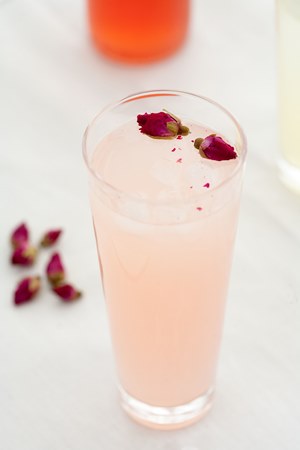
Rhubarb Rose Sherbet

Let it be spring! Nowruz, or “new day” in Persian, falls on the spring equinox and is celebrated for the thirteen following days. This year it fell on March 20th, and now we’re in the Persian year of 1393. While Nowruz is a major festival in Iran, the holiday is also celebrated in other countries, where ancient Persian culture left its mark, such as Azerbaijan, Afghanistan, Albania, India, and Turkey. The festivities came into our family with my Azeri stepmother, and along with Easter, Nowruz is one of my favorite holidays for its rich symbolism of renewal and hope. It’s also a reminder that winter’s grasp is weakening and that warm days are around the corner.

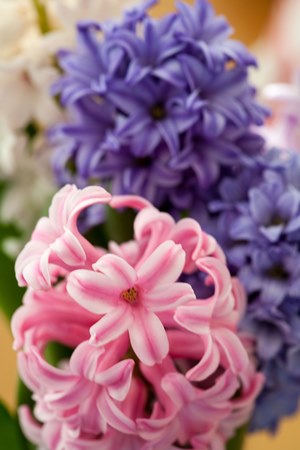
hyacinthrhubarb 4

In every home, the centerpiece of Nowruz celebrations would be a table decorated with seven items, haftseen or the seven S’s. Seven is considered a lucky number, and each item on the table beginning with the letter seen (s) in Persian has its unique meaning. For instance, seeb (apple) represents beauty, seer (garlic)–good health, serkeh (vinegar)–patience, and sekeh (coins)–prosperity. The arrangement is ornate and colorful, and people make rounds admiring each other’s haftseen tables, sharing good wishes and delicious food.

Continue reading →

As Seen On

Design by cre8d
© Copyright 2005-2026 Bois de Jasmin. All rights reserved. Privacy Policy