Opulent: 185 posts

Fragrance with rich, complex characters that feel like cashmere wraps

Delicious Scents : Tonka Bean

The tonka bean, one of my favorite ingredients looks unprepossessing—a shriveled black pod covered with suspicious white bloom. However, its scent of toasted almonds, amarena cherries, sun warmed hay and vanilla custard is one of the luscious in a perfumer’s palette. What’s more, the tonka bean was responsible for a revolution in modern perfumery.
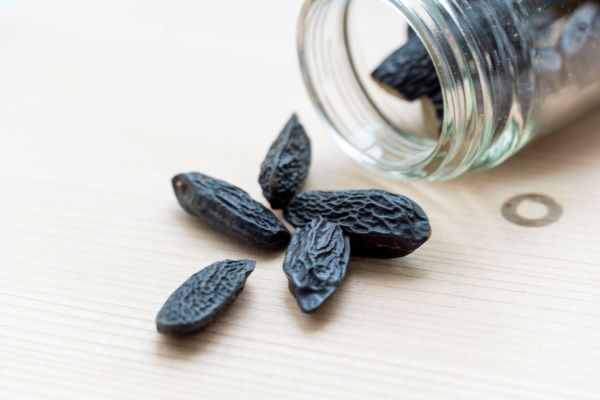
Tonka beans, the seeds of the Dipteryx Odorata tree native to South America, contain a component called coumarin. It’s present in many herbs and plants, including lavender, figs, and cherry leaves, but tonka beans are so rich in this aromatic that it crystallizes to the surface of their skin. Indeed, the very name coumarin comes from a French word for the tonka bean, coumarou. Coumarin was first isolated from tonka beans in the 1820s, and in 1882 it became the first synthetic material to be used in a perfume. To create a fantasy accord inspired by ferns, perfumer Paul Parquet added coumarin to the classical eau de cologne blend of citrus, lavender and geranium. Notes of amber, musk and oakmoss filled in the rest of the composition and Houbigant’s Fougère Royale was born. Along with it, came a new family of fragrances called fougère, which in French meant “fern.”

Continue reading →

The Allure of Sandalwood

My mother-in-law rubbed a piece of pink colored wood on a rough stone until it turned to paste.  My husband and I were about to travel back to Europe, and in the Hindu custom, my mother-in-law performed a puja, an act of worship, to ensure our safe journey. She lit joss sticks around the deities and dabbed some of the paste on the figurines of gods arranged on her small altar and then on our foreheads. The fragrance of sandalwood rose in the warm air. Many hours later as I sat on the airplane, the creamy, floral perfume lingered around me, carrying with it the memory of a caring touch.

puja

In Indian paintings you can sometimes spot curious image of snakes curving sensually around sandalwood trees. According to legend, the tree releases such a beautiful scent that serpents are charmed by it. More than a pleasing aromatic, sandalwood is a means to feel closer to the divine, for all creatures alike. This is the reason why Vedic religious rites, from birth to death, are accompanied by this precious wood.

Continue reading →

Benzoin : Fragrant Resin From Laos

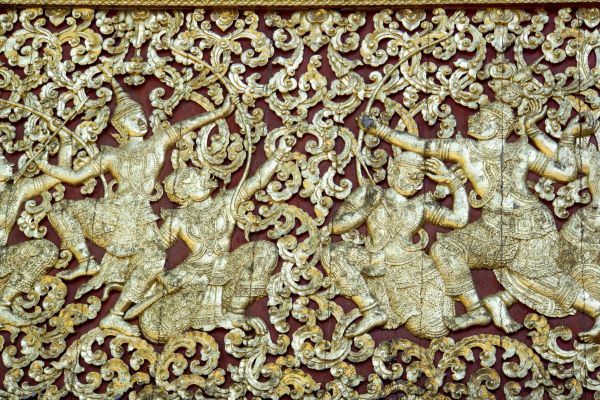
Luang Prabang, a town in northern Laos, is a city of magnificent temples and old royal palaces. Although far from undiscovered by tourists, it still has a quaint ambiance and a mellow pace of life. It stretches languidly along the Mekong, glittering with the numerous golden spires that grace its pagodas. Visitors are attracted here by Luang Prabang’s beautiful  architecture and even more by its splendid cuisine, but I made the journey for the aromatic material called benzoin.

Laotian benzoin is a balsamic resin tapped from the Styrax tonkinensis trees. Redolent of vanilla and cinnamon, it’s a material with centuries old history. Its uses for incense, pharmacology and cosmetics have been recorded since antiquity, while in perfumery it has always played an important role as a warm base note. Today it continues to be highly valued. In fragrances, benzoin can be found all over the scent wheel, from citrus colognes to ambers. Classics like Chanel Égoïste and Guerlain Shalimar rely on its sweet accent. It’s also used for scenting toothpaste, soap, and a variety of other day-to-day necessities.

Continue reading →

A Branch of Mimosa for Carmen

“I will bring you cassie, if you still enjoy its perfume,” wrote French novelist Prosper Mérimée in Lettres à une inconnue (Letters to an Unknown). The Unknown, was Mademoiselle Jenny Dacquin, the daughter of a notary of Boulogne, with whom Mérimée corresponded for over forty years. And what flower should his Carmen throw to Don José? Une fleur de cassie.

Cassie and mimosa are two closely related plants from the acacia family. The branches covered with masses of lemon yellow pompoms not only look beautiful, they also have a rich scent valued in perfumery. Native to Australia, mimosas were brought to France in the 18th century by the British explorer, Captain James Cook, and they have flourished in the mild winters of the Mediterranean coast. Every February the Massif de Tanneron in Provence turns golden yellow as the mimosas come into bloom, a Fauvist painting come alive.

Continue reading →

My Name is Red : Perfumes That Evoke Scarlet

“I’m so fortunate to be red! I’m fiery. I’m strong. I know men take notice of me and that I cannot be resisted… Wherever I’m spread, I see eyes shine, passions increase, eyebrows rise and heartbeats quicken. Behold how wonderful it is to live! Behold how wonderful to see. I am everywhere. Life begins with and returns to me.”

This description of the color of blood and roses from Orhan Pamuk’s My Name is Red, has stayed with me ever since I first read the novel while studying perfumery. At the time, one of the exercises we were doing involved matching scents to colors, and so I started looking for a fragrance that evoked the same intensity as Pamuk’s description.

The obvious suspects like roses and raspberries were cast aside. I was after drama, rather than mere associations. Once while leafing through an album of Indian miniature paintings, I had an epiphany—sandalwood smells red. The 16th century vignettes painted during the Mughal era depicted women making sandalwood paste, and their activity reminded of the time I had spent in India, especially of the bright colors and smells.

Continue reading →

As Seen On

Design by cre8d
© Copyright 2005-2026 Bois de Jasmin. All rights reserved. Privacy Policy