How To Guides: 78 posts

Putting Scents Into Words : Smelling Exercises

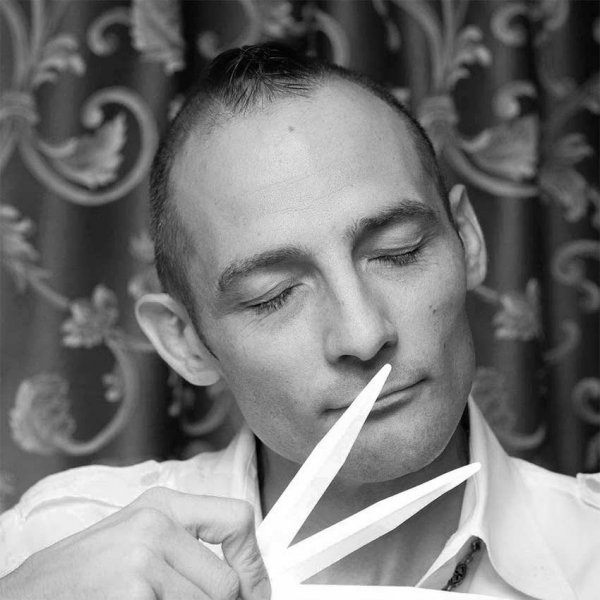
Describing aromas can be difficult. We’re used to associating a scent with something concrete–an orange, a rose, a steaming bowl of pasta, so when we encounter even a familiar smell disconnected from its source, we are lost for words. Orange smells like an orange, right? Yet, the more one smells, the more one tries to put scents into words, the easier it becomes. In this post, I would like to put together the videos I’ve recorded of basic smelling exercises that teach how to sharpen one’s sense of smell and to put scents into words. I’d like to have everything in one place for reference and also to add extra notes to each demo.
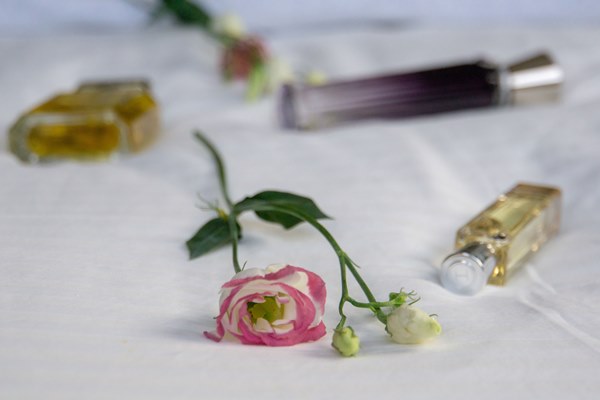
Why does putting scents into words matter? First, by describing a smell to yourself, you memorize it more easily. This scent memory bank, or olfactory vocabulary, if you will, will help you to recognize scents faster and to recall them at will. Second, any sensory experience is enriched when more than one sense is stimulated, and the ability to describe smells will make your olfactory perceptions richer and will heighten your enjoyment overall, be it the enjoyment that comes from savoring a glass of wine, a piece of cake or from taking a walk in the park. So, let’s start!
Continue reading →

Exercises to Sharpen Sense of Smell : Cloves and Roses

Starting one’s morning by smelling consciously is the best and the easiest way to sharpen your sense of smell. I’m sure that many of you who are reading this blog on a regular basis are already using your nose to its full potential, but if you would like to improve your olfactory vocabulary, distinguish scents better and learn to smell with more focus, I would like to share short videos with professional tips. The sense of smell becomes less acute with age, but by introducing such exercises into our routine, we’re ensuring that our noses remain as sensitive as can be possible given our genetic makeup and lifestyle. I’ve already posted a video on the basic principles of smelling in Bois de Jasmin’s YouTube channel, and the next installments will cover different techniques in more detail–smelling in images, looking for nuances in scents, etc.

This is a typical exercise I use in the morning. I pick anything scented–it can be a box of spices, a packet of coffee or a blotter dipped into an essential oil and think of images it evokes. It’s easier to do this exercise blindly (place spices in unmarked jars and smell with your eyes closed), but even if you know what you’re smelling, try to think only of the smell. What does it evoke? What does it smell of (other than the object you’re smelling)? It helps to write down your impressions, and if you like, you can share them in the comments here.

Continue reading →

The Allure of Extrait de Parfum

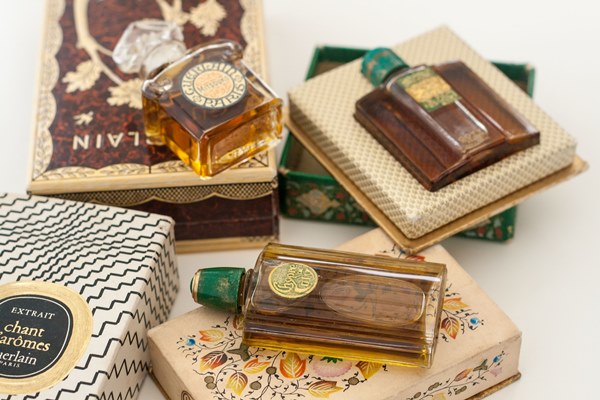
If you were a medieval caliph and desired a fragrance to delight your senses, your royal perfumers would have mixed Tibetan musk with an equal amount of Yemeni ambergris and steeped the mixture in ben tree oil over a weak fire. They would have stirred it with a gold spoon and used a silver vessel to refine it further until the liquid itself turned golden and smelled like paradise itself. If you were the wife of the caliph Harun al-Rashid, the one of One Thousand and One Nights fame, then you would have asked for a touch of jasmine oil to remind you of Persian gardens in bloom. According to the 14th century Egyptian scholar Al-Nuwayri, such were indeed the refined tastes of his time.

The luxurious, oil-based perfumes Al-Nuwayri describes in his book are the distant ancestors of the modern extrait de parfum. Today, the extrait de parfum is usually diluted in alcohol, but the proportion of fragrant oils in its formula is still sumptuously high. In my recent FT magazine column, The Allure of Extrait de Parfum, I describe what makes extrait de parfum different and why it still has a place in our perfume wardrobe.

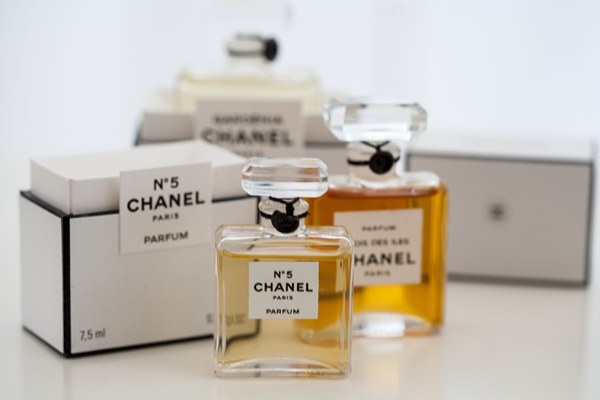
As I’ve noted in my article about perfume concentrations, the proportion of oil alone doesn’t matter as much as the ingredients themselves. However, the parfum, along with the Eau de Cologne, is the oldest way of enjoying fragrance. It was meant to be applied directly on skin, allowing it to envelop the wearer in a soft cloud of scent. For instance, the great classics like Chanel No 5, Guerlain Jicky or Caron Tabac Blond were created as such concentrated blends. Their lighter variations appeared later in the second half of the 20th century when atomizers became popular. To continue reading, please click here.

What are some of your favorite extrait de parfums?

Photography by Bois de Jasmin

Crisp Summer Fragrances : Not Colognes

As much as I love colognes and find them refreshing on a hot day, sometimes I want to mix things up. After all, citrus is not the only thing that feels cool and uplifting. This is the topic of my recent FT magazine article, Summer scents that are crisp, cool – and rather unexpected.

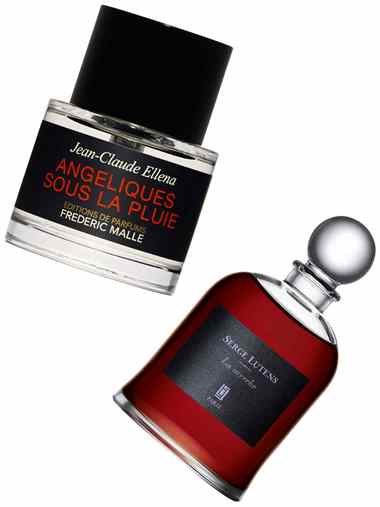
Even more unusual, however, is the coolness suggested by myrrh, a rich and complex ingredient hinting at liquorice, driftwood and green sap. In ancient times, it was burned as incense, added to wine as a digestive or blended into perfumes to give them a lingering, suave finish. The latter is the reason I seek out myrrh-based fragrances; they are at once velvety and cool – the most intriguing of contrasts. One of the best examples is Serge Lutens’ La Myrrhe (£170 for 70ml EDP), a languid rose, smothered in myrrh and bitter almond. The champagne-like effervescence of aldehydes, the aromatic compounds found in rose petals and orange peel, lights up the composition. To continue reading, please click here.

What perfumes are you currently wearing and what is your fragrance today?

Image via FT

Why Perfume Doesn’t Last and what to do about it

You have found a perfume that seems perfect – the first few moments post-application are enjoyable but then, over the course of the day, you find the scent has disappeared. You might as well not have worn anything. Fragrance that doesn’t last is one of the most frustrating occurrences for a perfume lover, and I’m often asked to explain why it happens. And that’s what I do in my FT column, The Long and The Short of It: making perfume last.

I explain why some fragrances have a fleeting presence, how to test for it, how to correct for it and give examples of perfumes with different types of presence. You can also read my article, One Perfume, Four Ways to Wear It, with other tips on making perfumes last.

One of the reasons a perfume doesn’t last is because of our physiology. To put it another way, your perfume is still present, but you stop smelling it and hence it seems as if it has disappeared. This phenomenon is called olfactory fatigue, or olfactory adaptation, and it happens when odour receptors are saturated with an aroma to the point that they stop sending a signal to the brain about it. If you wear the same perfume every day, such an olfactory adaptation is likely to happen. Also, some materials are more likely to cause an olfactory fatigue, such as ambers, sandalwood and other heavy, enveloping woods. To continue reading, please click here.

As I was writing the article, I became curious to find out from you if longevity is the most important characteristic in a perfume? If you find a perfume you love but that doesn’t last, will you still buy it?

Photography by Bois de Jasmin

As Seen On

Design by cre8d
© Copyright 2005-2026 Bois de Jasmin. All rights reserved. Privacy Policy