Edit February 13, 2014: the EU proposal has been significantly modified in comparison to the original SCCS document released to public in December 2012. The summary of the amended proposal can be found at ec.europa.eu. Apart from three bans (Lyral, atranol and chloroatranol), the rest of the restrictions match the current IFRA standards. For the time being, there are no new bans or significant new restrictions on other materials, including naturals. As new information becomes available, this article will be updated.
“If this law goes ahead I am finished, as my perfumes are all filled with these ingredients [to be restricted],” said Frédéric Malle, who owns high-end perfume company Editions de Parfums Frédéric Malle. The impact on luxury perfume brands as a whole would, he said, be “like an atomic explosion and we would not have the means to rebuild ourselves.”
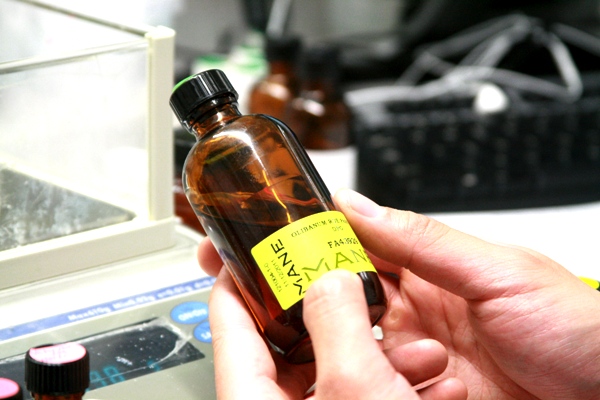
The recent Reuters article, EU threat spotlights perfume makers’ secrets, continues to explore the topic of raw material regulations and reformulations. Not again, you might think, since there was much talk about it already, but the issue of further restrictions on the usage of raw materials is sending so many waves through the industry that it’s hard to avoid. To summarize, the Scientific Committee on Consumer Safety (SCCS), an advisory body for the European Commission, has proposed to ban several key perfumery materials such oakmoss and Lilial and to extend the existing list of 26 allergens to more than 100. The regulations haven’t yet been adopted, and the final decision will be made next year.
I talked about the issues with escalating regulations in Is Chanel No 5 Being Banned?, and my post generated so many questions and emails that I decided to compile my answers here. The main impact from regulations is on the industry, but as fragrance consumers, we also lose out as our favorite fragrances are reformulated beyond recognition or discontinued. Also, I question the wisdom of replacing materials with a long history of usage with newly developed ingredients, the side effects of which may not become clear until decades down the road. These are good reasons to stay informed about the current situation.
Continue reading →