iran: 6 posts

Reading Iran: Literature, Food, Poetry, and the Inner Map of a Country

I came to Iran through literature and language. Long before I traveled across the country, I had been reading Persian poetry, studying the rhythm of the language, and trying to understand a place that cannot be approached through headlines alone.

Traveling in Iran deepened that early fascination. I encountered a country of immense cultural density: hospitality and restraint, beauty and endurance, tenderness and control. Iran’s politics are complicated and often painful, and the present moment makes this impossible to ignore. All of the friends in Iran I have been able to reach speak of unimaginable violence and loss. Nearly everyone knows a young person who was killed.

After everything I have experienced in Ukraine, I did not think I could still be shocked. Yet with every new story, I understand more clearly the depth of grief and suffering the country is moving through, often without witnesses. It is precisely in moments like this that reading matters: not as escape, but as a way to resist simplification, to remember that no country can be reduced to crisis alone.
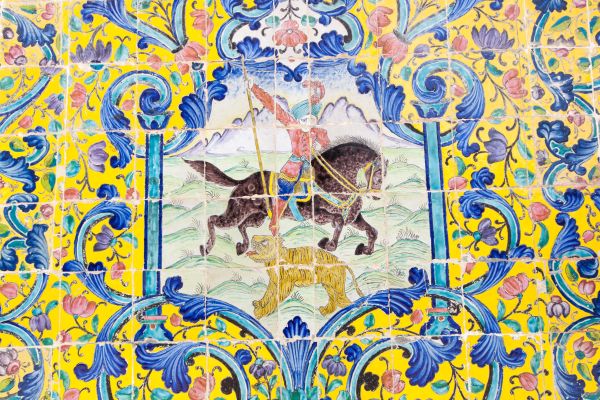
This reading list brings together books from my library. These books are an attempt to understand Iran not as an abstraction or a crisis, but as a layered, ancient, and profoundly human place.

Essentials — where to begin

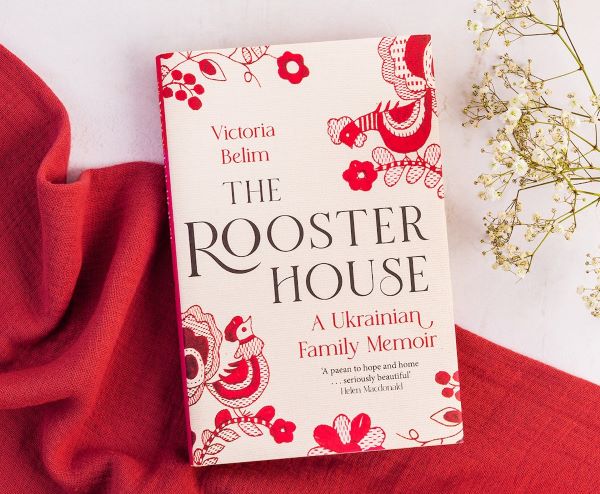
The Blind Owl by Sadegh Hedayat
A foundational modern Iranian novel. Dark, hallucinatory, and deeply psychological, it explores alienation, obsession, and the fracture between inner life and social reality. Demanding, but essential.

Continue reading →

The Heavenly Voice of Mohammad Reza Shajarian

I woke up in Tehran on a cold October morning. The city outside of my hotel window looked grey and aloof. I was in a new city. I was alone. Tehran is not a city for the fainthearted. It’s overdeveloped, crowded and downright ugly at times. What I saw out of my window intimidated me. Yet, I made myself leave the hotel and explore. I walked with a purpose as if I knew where to go. I lingered at the curb of a busy road and a taxi stopped in front of me. It was one of those open-door taxis that travel a specific route and pick up passengers until they’re too full. I got in, even though I had no idea where it was going. I had no idea how much I had to pay. When the taxi stopped in the middle of a busy shopping area, another woman got out and I did too. I had no idea where I was. I saw a music store, and I walked in. Before I even had a chance to explain what I wanted—and to be honest, I wasn’t sure what it was, the store clerk handed me a disc of Mohammad Reza Shajarian’s songs. I fell in love.

Eventually I would fall in love with Tehran as well–and then with Yazd, Shiraz and Isfahan. Yet, Tehran, the first Iranian city I’ve explored on my own, evokes the most vivid memories for me. And I always think of the heavenly voice of Mohammad Reza Shajarian as I recall Tehran. To say that he is the most famous singer of Iran is an understatement. He is the voice of Iran. As my friend put it, he is the modern-day Ferdowsi, because just like the author of the Shahnameh epic, he captured the spirit of Iran with his art.

Continue reading →

In The Rose Capital of Iran

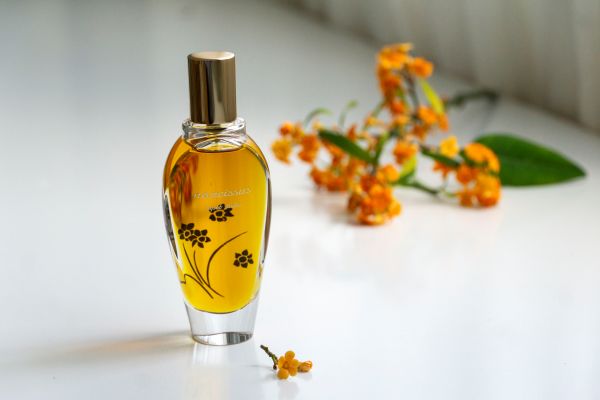
“The ancient Iranian city of Kashan is sometimes eclipsed by its more famous neighbour, Isfahan, but as I wander around Bagh-e Fin – a vast garden turned into an architectural jewel by the 16th-century Shah Abbas I – I fall under a spell that only Kashan could conjure, with its sandy beige Agha Bozorg mosque, winding streets and remarkable rose plantations. Indeed, roses are the main reason for my trip.” The rose capital of Iran, Kashan, inspired the latest article for my FT column, Radiant Rose Perfumes.

I visited Kashan during the off season for flowers, but nevertheless I had a chance to meet rose distillers and sample perfumes and fragrant waters. The aroma is sweeter, fruitier and warmer than that of Bulgarian or Turkish essences with which I usually work. I’m not the only one who found Iranian rose essence extraordinary, and I discovered that Émilie Coppermann and Francis Kurkdjian were among the perfumers who were fascinated by this material.
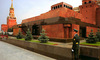
In my article, I describe the roses of Kashan and fragrances that remind me of my visit. To read the full piece, please click here.

If you were to do a scent trip anywhere in the world, which places would you have liked to visit? (Let’s dream and pretend that neither time, money nor visas are an issue in our trip planning.)

Photography via FT, a rose distillery in Kashan

The Invention of Minimalism

A group of students was standing in front of the Mark Rothko painting taking notes as the museum guide talked about the artist’s life and his inspirations. I would have walked past the crowd had the curator not suddenly dropped one phrase, “As we all know, minimalism in art was invented in the West.” I was admiring Rothko’s use of vermilion red, an intense hue that made me think of Indian kumkum (the crimson powder Hindu women use to draw a mark on their foreheads) and Russian lacquers, when the West claimed Minimalism.

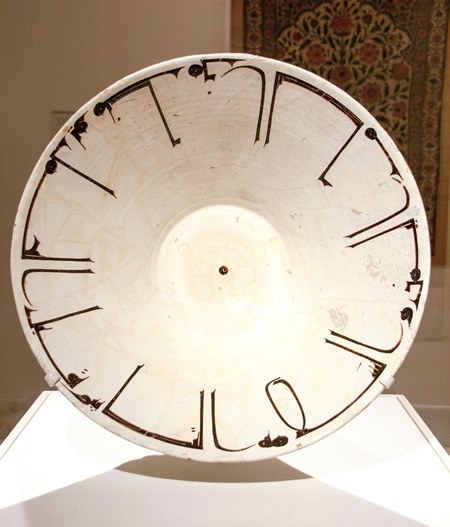
nishapur-bowl

Leaving aside the absurdity of referring to Rothko as a “minimalist”–a label he would have rejected outright, it’s senseless to separate artistic achievements by arbitrary parameters. To see why, one should leave the halls devoted to 20th century art and walk through, say, the expositions usually housed in the Eastern wings. If the museum in question is the Met in New York, then the Department of Islamic Art is where I would take you.

Continue reading →

Persian Rice Cookies (Nan-e Berenji)

One of the best things I tasted in Iran was a cookie. On the tray next to the rosewater flavored walnuts, almond baklava, salty dried cherries and pistachio nougat, little pale rounds topped with poppyseeds looked the least impressive of the lot. But when I bit into one biscuit, and it melted into buttery cream in my mouth, I was instantly smitten. That’s how I discovered rice cookies, Nan-e Berenji, the classical Iranian pastries.

nan-e berenji

Nan-e Berenji has a delicate sablé-like texture and a rich perfume of cardamom. Throughout my trip, I looked for this simple confection in every town I visited, but none have rivaled the version I found in Yazd, a city famous for sweets. Yazdi rice cookies were the same golden color as the adobe walls of the ancient town, and a simple shape belied their decadent flavor.

Continue reading →

As Seen On

Design by cre8d
© Copyright 2005-2026 Bois de Jasmin. All rights reserved. Privacy Policy