tuberose: 10 posts

Best Perfumes with Coffee Notes

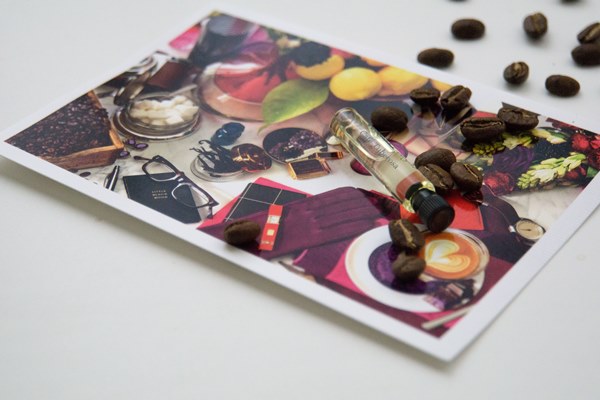
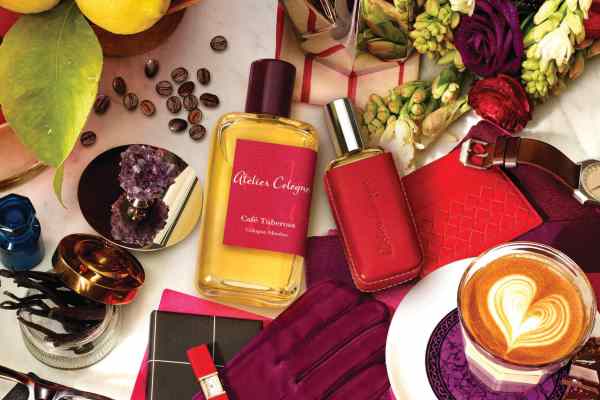
Merry Christmas! I hope that all of you had a wonderful holiday and are enjoying the seasonal festivities as well as moments of rest with a good book and a cup of tea or coffee. Speaking of which, coffee is the topic of my recent FT column, Perfumes with Coffee Notes. I talk about the reasons why perfumers find this note difficult, how it can be used in fragrances and what perfumes showcase it to its advantage. From Arquiste Nanban to Atelier Cologne Café Tuberosa, I cover my favorite compositions.
“Coffee notes, for all of their complexity and addictive richness, are complicated to use. The solution is to approach coffee notes creatively. Instead of mimicking nature, a perfumer instead might fashion a blend that hints at coffee’s pleasing bitterness and heady richness. Such is Arquiste’s Nanban. The composition uses a plush backdrop of woods to frame the smoky, spicy notes of myrrh and incense, with an accent of coffee to lend the composition a dark, delicious twist. It teases with its smoky, nutty warmth, but keeps its presence mellow behind layers of sandalwood and leather. To continue, please click here.”

As always, I’d love to hear about the coffee perfumes you like.

Image: Atelier Cologne

Atelier Cologne Café Tuberosa : Perfume Review

44444

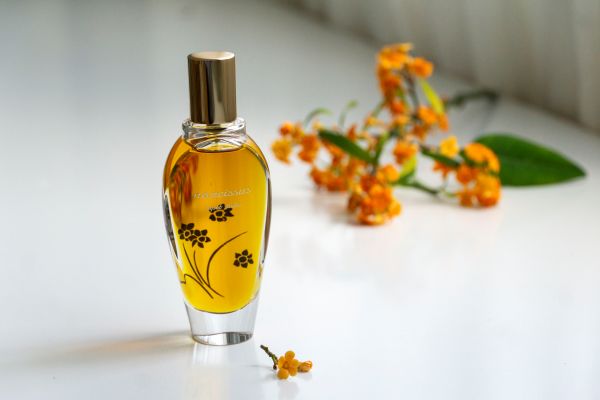
I sometimes notice that coffee smells better than it tastes–or that it doesn’t taste the way it smells.  Even the aroma of coffee, for instance, is difficult to sum up–sweet, bitter, spicy, acidic, toasted, burned, with hints of blackcurrants, chocolate and hazelnuts. Even more difficult is to render coffee notes believable in a perfume without making one smell like a badly washed coffee mug, or worse, a piece of grilled meat. Coffee notes are stubborn. I’ve been on a search for successful coffee perfumes for a while, and this fall I’m adding a new contender to my collection, Atelier Cologne Café Tuberosa.

The idea behind Café Tuberosa is clever–take a creamy tuberose accord, brighten it with bergamot and give it a bittersweet rush with coffee. All three are bold, strong notes, but the whole fits together so harmoniously that it makes me wonder why this motif is not more explored.

Continue reading →

Carnal Flowers

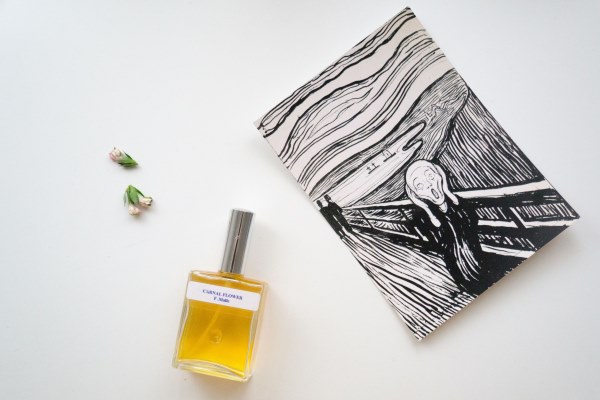
No fragrance type elicits more polarized reactions than white flowers. For some, they’re the ultimate love potion. For others–a bottled nightmare. I realize that the term “white flowers” covers too many botanicals to be useful, but let’s pretend we’re talking about night-blooming plants like jasmine, gardenia and tuberose. Jasmine can smell like horse sweat. Gardenia has a distinct whiff of mushrooms. But at least jasmine and gardenia can be tamed and made pretty and gentle. Tuberose, on the other hand, doesn’t do demure well and it also stands no competition. Add a touch of tuberose to a perfume, and it takes over everything with its warmth and luxurious heft. It’s perfect for those of us tired of wan floral perfumes that smell as if they need to be on life support.


My favorite tuberose is Frédéric Malle Carnal Flower. It’s been around since 2005, and I’ve rhapsodized about it for about that long. It thrills me with the richness of the sensations it evokes, from the brightness of green notes to the warmth of the tuberose petals. But that’s not why I selected it for my modern classics series, On White Flowers. Over the past decade it has become one of the gold standard tuberose fragrances against which others are judged. Love it or hate it, but it’s a modern classic.

Continue reading →

Arquiste Parfumeur Flor y Canto : Perfume Review

33333

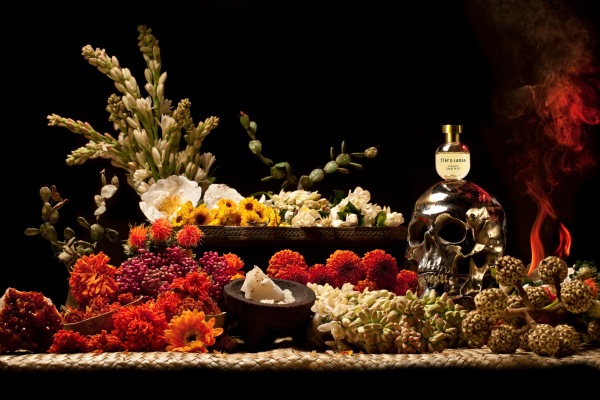
I rarely encounter a tuberose fragrance I do not like, so I quickly deduced that I would like Arquiste Parfumeur Flor y Canto. Flor y Canto presents tuberose on a tableau of marigold and aims to paint an olfactory portrait of a day in August in the year 1400 when during “the most fragrant festival in the Aztec calendar, the rhythm of drums palpitates as a wealth of flowers is offered on temple altars. Billowing clouds of Copal act as a backdrop to the intoxicating breath of Tuberose, Magnolia, Plumeria and the intensely yellow aroma of the sacred Marigold, cempoalxochitl.” (I will admit to a struggle in pronouncing “cempoalxochitl.”)

flor-y-canto

I fell for the story and I normally don’t. The mention of marigold and the promise of something mysterious was too exciting. Unfortunately for me, the most exciting part of Flor y Canto remains on paper. It’s a tuberose and plumeria fragrance–plumeria smells like jasmine, peach, and coconut, and it’s rather linear and at times approaches bubblegum sweetness before it dries down.

Continue reading →

Christian Dior Poison : Perfume Review and Memories

44444

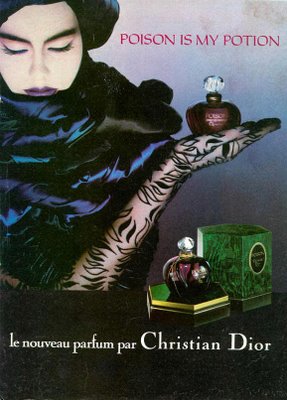
Poison:  Nearly 30 years after its debut, the name still causes a chill up the spine or a frisson of fear among those whose nasal passages were assaulted by Christian Dior’s titanic fragrance.

Launched in 1985, Poison entered a world of big perfume.  It was the era of flamboyant, often bombastic scents.  Even in this context, Poison made an immediate name for itself.  Whether this was cause for celebration or not depended on who was doing the smelling.  Poison, like Giorgio Beverly Hills, had as many vocal fans as it did vehement opponents.

I remember the first time I smelled it.  I had recently started wearing Obsession, Calvin Klein’s new-at-the-time Oriental that had a hair tonic note in the base.  But during a holiday gathering a cousin arrived, or Poison arrived with the cousin, shrieking in like a comet to the Thanksgiving dinner table.  Gone were the typical holiday aromas:  chestnuts, turkey, and pumpkin pie.   We were served Poison alongside roasted yams and it was all anyone could talk about; even the old aunts clucked—in appreciation.

Continue reading →

As Seen On

Design by cre8d
© Copyright 2005-2026 Bois de Jasmin. All rights reserved. Privacy Policy