Scents of Belonging: Perfume and the Geography of Memory
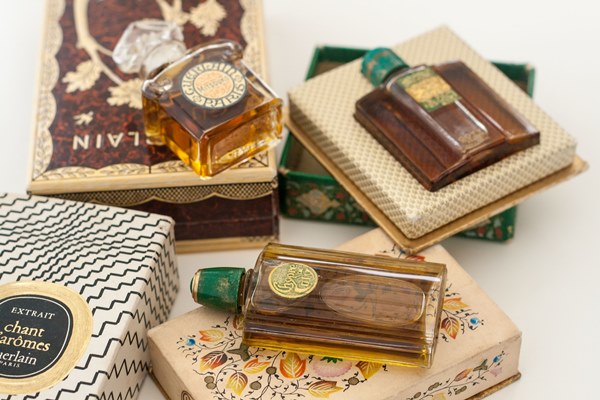
Can scent be tied to national identity? I received this question during a recent interview and the question stayed with me long after the conversation ended. It made me think about how we define ourselves, not only through language or landscape, but through something as invisible and visceral as smell.
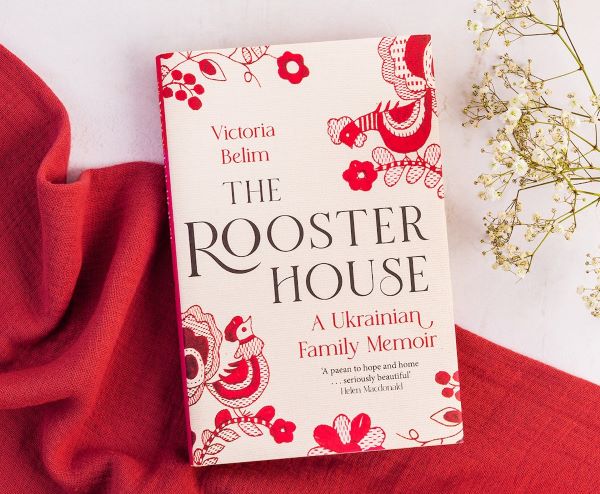
My own story is layered. I was born into a family marked by complexity: Ukrainian, yes, but woven with many diasporic threads, braided through decades of dislocation, migration, and return. I didn’t fully grasp just how intricate this tapestry was until I began researching my family history for The Rooster House. Even after the book was already on shelves, I uncovered new archives and met relatives I hadn’t known existed. That’s how I learned that my mother’s side of the family had Roma and Jewish roots, and that my father’s lineage traced back to Tatarstan.
Since moving from Ukraine to the United States at the age of fifteen, I’ve lived in many places. Brussels has been my home for more than a decade. And yet, the place I return to is always Ukraine. That’s where the smells of my childhood reside. And that’s where scent has always felt like a language I understood instinctively.