Olivier Pescheux: 4 posts

In Memory of Olivier Pescheux

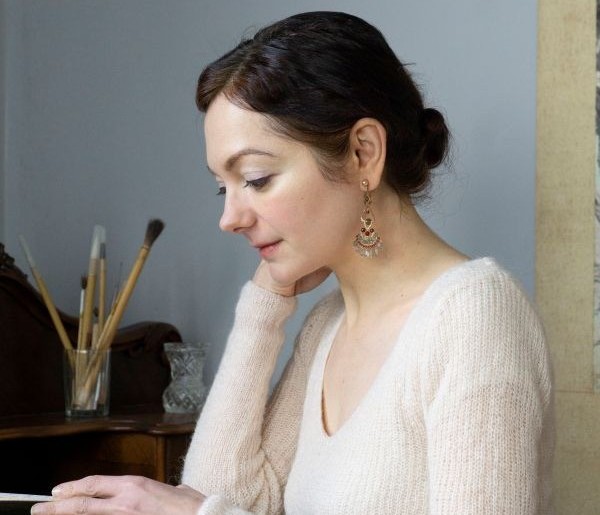
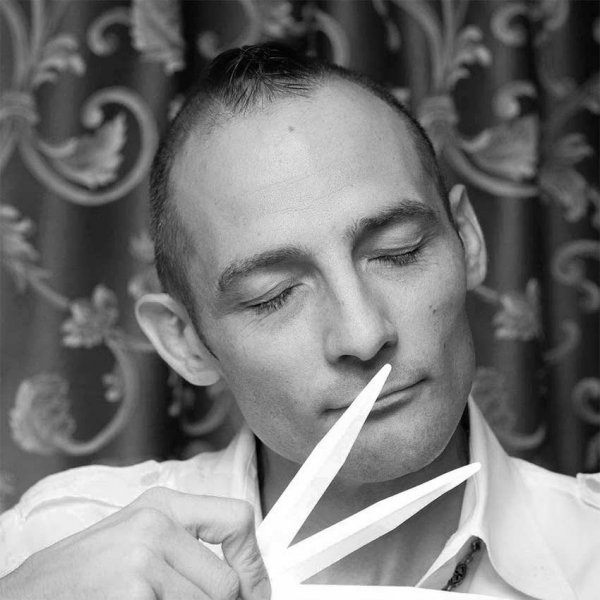
I was saddened to learn that perfumer Olivier Pescheux passed away on July 10 in Paris after battling a long illness. He was only 57 years old, too young to leave us. Olivier was one of the first perfumers I met when I first became interested in fragrance, and he was supportive of my interest. I found him down-to-earth and charismatic.

Born in Paris in 1966, Olivier started his perfumery career in Bangkok after graduating from ISIPCA. He also worked at Annick Goutal and Kao Corporation, but most of his work was done at Givaudan. Olivier was well known for his expressive, distinctive style and his successful masculine fragrances. It was he who designed the best-selling Paco Rabanne One Million scent.

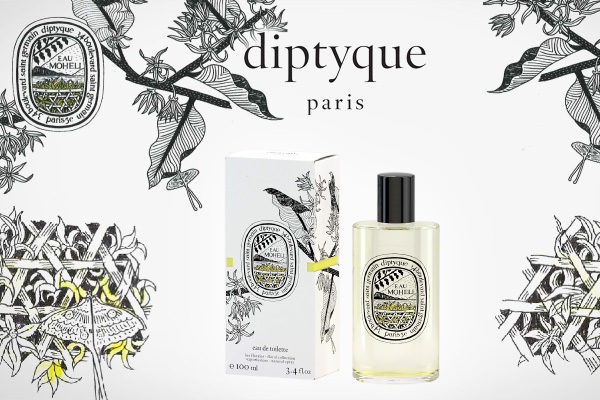
Some of Olivier’s most interesting work can be found at Diptyque where he created Orphéon, Fleur de Peau, and Eau Mohéli. I also suggest trying Parfums de Marly Herod, Montblanc Explorer, and Roberto Cavalli Precious Leather. Olivier’s style lent itself to fragrances of different genres and types. “I want my fragrance to tell a story, but above all, I want to make the wearer feel good,” he told during one of our last meetings in Paris. Olivier, you will be missed.

My condolences to Olivier’s family and his colleagues.

Photography by Bois de Jasmin

Diptyque Eau Moheli : Perfume Review

33333

“A poor man’s jasmine” is ylang-ylang‘s unfair moniker, but to me, it’s like comparing apples and oranges. Ylang-ylang essence, obtained from the fragrant flowers of the Cananga odorata tree, shares some facets with jasmine, but it’s even more dramatic. The icy cold top notes of wintergreen are contrasted with the apricot jam sweetness in the heart, and the whole smells more luscious than a flower is allowed to be.


eau-moheli

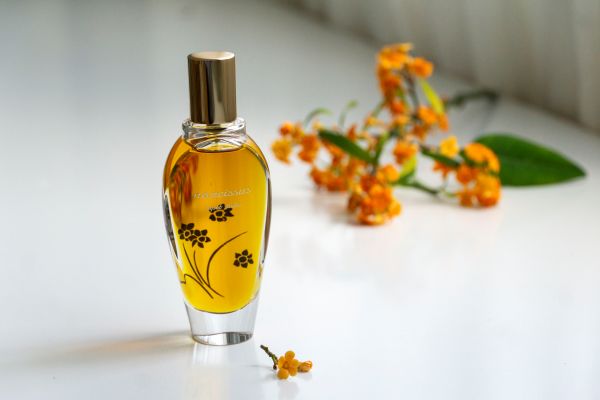
Enter Diptyque Eau Moheli, which not only promises to give us a new ylang-ylang interpretation, but also features a refined new version of this classical perfume material. Several years ago, Givaudan, a company that manufactures fragrances as well as many of the raw materials used in flavor and fragrance blends, started a project on the island of Mohéli in the Comoros. The quality of commercial ylang-ylang oil has declined over the years, and the idea behind Moheli’s project was to regenerate the production of ylang-ylang. The result was a high-grade essence, with nothing poor about it.

Continue reading →

Diptyque Vetyverio : Perfume Review

33333
Vetiver

Star rating: 5 stars–outstanding/potential classic, 4 stars–very good, 3 stars–adequate, 2 stars–disappointing, 1 star–poor.

The classical treatment of vetiver, a fragrance note with an interesting interplay of bitter grapefruit and blond woods facets, has often seen it paired with cedarwood and citrus notes. Classical citrusy woods like Aqua Brava, Guerlain Vétiver, Givenchy Vetyver follow this model. Many modern fragrances like Frédéric Malle Vétiver Extraordinaire, Lalique Encre Noire and Ormonde Jayne Zizan take the classical woody theme as well, albeit using vetiver in the lower, more sonorous register. Even lighter, airier vetiver dominated blends like The Different Company Sel de Vétiver and Miller Harris Feuilles de Tabac do not depart radically from the classical dry woods formula. In this light, Diptyque Vetyverio, a fragrance created by perfumer Olivier Pescheux, offers an interesting discovery—a woody composition with a juicy, fruity top and a fresh green floral heart.

Continue reading →

Lanvin Arpege Pour Homme : Perfume Review

33333

Arpegehomme

Star rating: 5 stars–outstanding/potential classic, 4 stars–very good, 3 stars–adequate, 2 stars–disappointing, 1 star–poor.

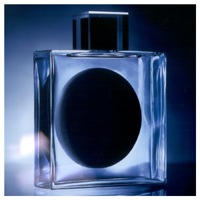
Arpège Pour Homme is the newest men’s fragrance from Lanvin, created by Olivier Pescheux. A decision to have Arpège as part of the name immediately sets up a challenge from an incomparable feminine version of Arpège, created by André Fraysse and Paul Vacher in 1927 (and successfully reochestrated by Hubert Fraysse in 1993). Yet, Arpège Pour Homme is worthy of its name, pairing crisp elegance with gentle softness.

The transparent hesperidic note sets the stage for the composition, remaining present throughout the development. While initially it soars over the peppery dryness of the top notes, its vivid clarity softens over time. An indolic note of jasmine is an interesting counterpoint to the austere and cold iris. As iris unfolds fully in the heart of the composition, it attains an almost violet-like quality from the vanillic notes, which cascade rapidly into the base. The base notes are layered with delicately sweet and powdery musk, oscillating between clean and sensual.

Continue reading →

As Seen On

Design by cre8d
© Copyright 2005-2026 Bois de Jasmin. All rights reserved. Privacy Policy