Culture: 426 posts

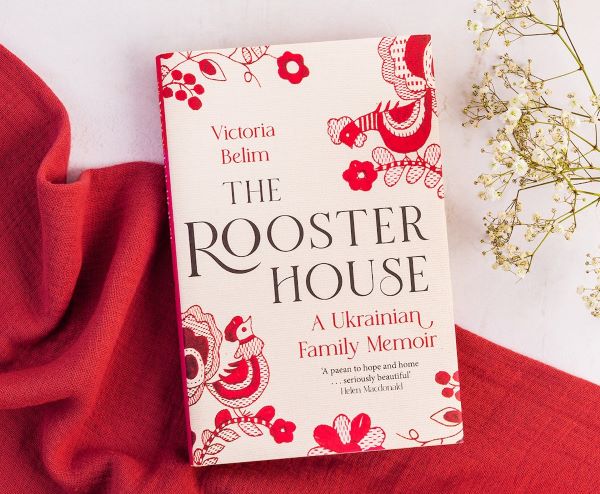
Art, travel, books, history. About my book, The Rooster House.

The Memory of a Mulberry Tree

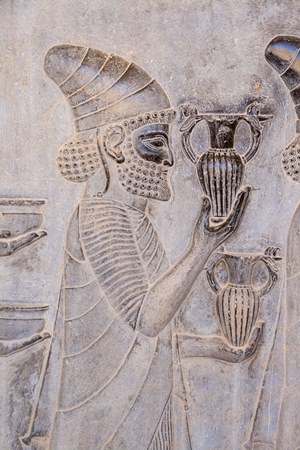
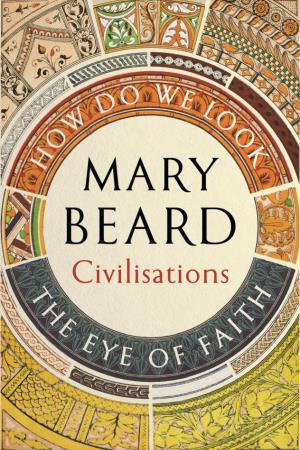
Not long ago I posted a photo of mulberries to my Facebook page and by the end of the day I had scores of comments and emails filled with the mulberry-related reminiscences. I was surprised how many people had a mulberry tree as part of their childhood. Reading the comments, I too tasted the mulberries of Esfahan and Israel, climbed the tall trees in Romania and Texas and made jam in California. In sharing stories, we made our own Silk Road spanning the mulberry memories and the globe. It also turned out be quite a cosmopolitan tree with the Eastern roots. It’s called tuta in Aramaic, tut in Persian, Arabic, Turkish, and Hebrew, duda in Romanian. In Ukrainian, it’s either called tut or shelkovytsa, the silk tree berry.
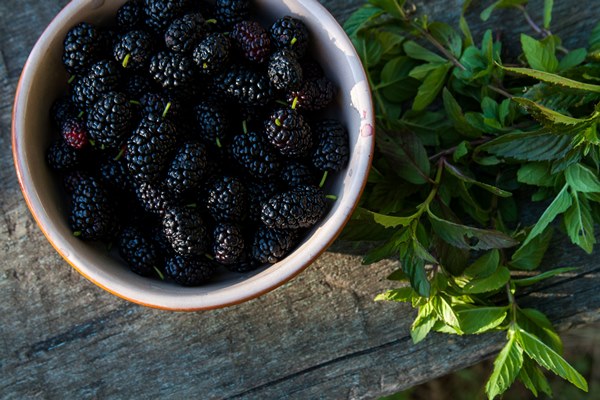
In my part of Ukraine mulberry trees are ubiquitous. They’re a reminder of the old history: of the manor estates of the Poltavan gentry and of the silk farms established as part of the Five Year plans by the Soviet government. Both the gentry and the five year plans are long gone. The mulberries remain. The berries cover the sidewalks in indelible ink stains and scent of fermented, overripe fruit hangs in the summer haze.
Continue reading →

Mary Beard on How We Look at Art

If ancient Greeks were transported to the rural Ukraine of the 21st century, they would have been surprised to see elements of their designs used with a liberal hand. A faux Greek portico attached to a housing unit meant “a cultural institution” to Soviet planners. Many mini-Parthenons dot the bucolic landscapes, the so-called Houses of Culture that once disseminated the light of the Marxist credo and hosted weekly village dances and now shelter shops and offices, capitalist style. The Bolshevik Revolution of 1917 rejected much about the old order–the language, the traditions, the customs, the family allegiances, but such was the power of classical art that the Soviet style became defined by it. Culture had to come with Doric columns in tow.
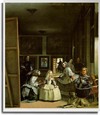

Mary Beard’s book Civilisations: How Do We Look/The Eye of Faith (public library) is about the way we look at art and the notions we have about it. A renowned historian of the ancient world looks at the way people throughout history thought of art and expressed their ideas of themselves by both creating it and interacting with it. The Soviet example is a good illustration for Beard’s idea of art as used to inscribe certain values and principles into the landscape and into daily life.

Continue reading →

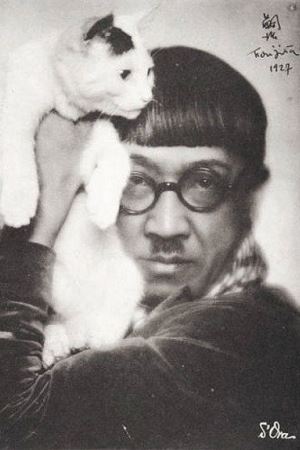
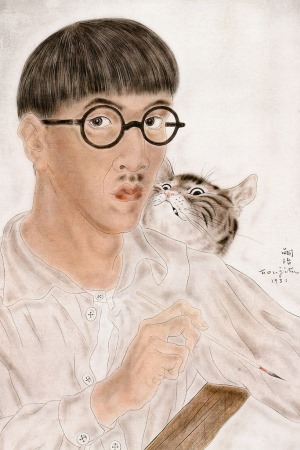
Leonard Foujita : The Japanese Star of 1920s Paris

In the summer of 1913, an artist arrived in Paris. He was 27 and discovering the city of lights had been his obsession since he was a child in Meiji-era Japan. Foujita Tsuguharu was from a well-off family, the son of a general in Japan’s imperial army and a graduate of the prestigious School of Fine Arts in Tokyo, but he arrived in the French capital as a complete unknown. His goal was to learn, paint and be inspired by the city.

He moved into a studio in Montparnasse and soon met artists like Henri Matisse, Amedeo Modigliani, Chaim Soutine, Fernand Léger, and Pablo Picasso. He worked as a copyist at the Louvre, took dance lessons from Isadora Duncan and staged exhibitions with other painters. In Japanese, Foujita meant “a wisteria field,” but in the Montparnasse circle he soon became known as Fou-Fou, Mad to the power of two. Foujita didn’t mind. He welcomed the notoriety by cultivating a flamboyant image complete with a bowl cut, earrings and a lampshade as a headdress. He added Léonard to his name for a French inflection and as a tribute to Leonardo da Vinci. In the Paris of the Roaring Twenties, he was a star and a natural, more successful than either Picasso or Matisse.

Continue reading →

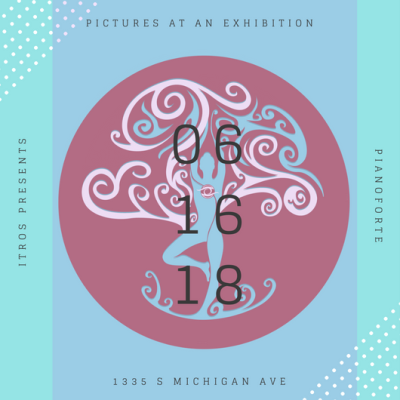
In the Realm of Senses & Art Event : June 16

I’m collaborating with the multi-sensory art project called In the Realm of Senses. The idea behind it is to explore the sensory dimensions of various art forms, discover how stimulating one sense enhances the experience of our other senses, and to create a platform where artists and participants can meet and experiment together. As you can see, it’s an extended version of what I do with Bois de Jasmin, so I’m happy to support this initiative. It has long been my belief that olfaction, the overlooked sense, can make our sensory experiences richer and that paying more attention to it gives more facets and colors to our surroundings.


In The Realm of Senses was conceived by Jeff Yang, a Chicago-based violinist, with a fascinating background in classical music and engineering. We’re in the early stages of taking the project off the ground, but among the perfumers involved are Ralf Schwieger and Christophe Laudamiel. If you’re in Chicago on June 16, 2018, please don’t miss our fundraising event.

Continue reading →

Spring Folding Into Summer : Haiku of the Day

Changing the dresses
Spring has vanished
Into a long coffer

—Ihara Saikaku

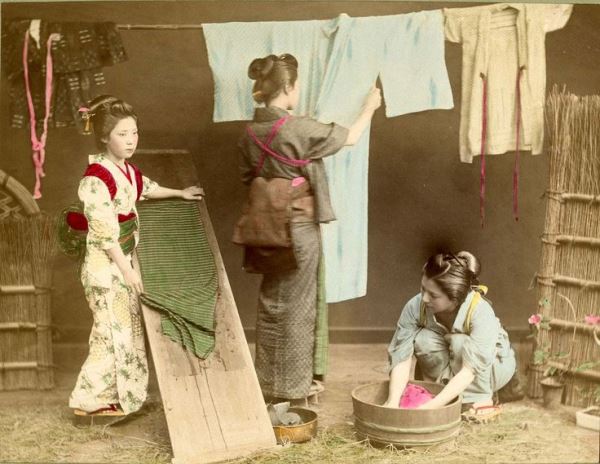
The image that this poem plays on is a wooden chest for storing clothes. The change of seasons in traditional Japan used to be associated with the heavier spring kimono being exchanged for the light summer one. As the cherry petals fall and vanish into the earth, so does spring itself. Summer is waiting in the wings.

Continue reading →

As Seen On

Design by cre8d
© Copyright 2005-2026 Bois de Jasmin. All rights reserved. Privacy Policy