Culture: 426 posts

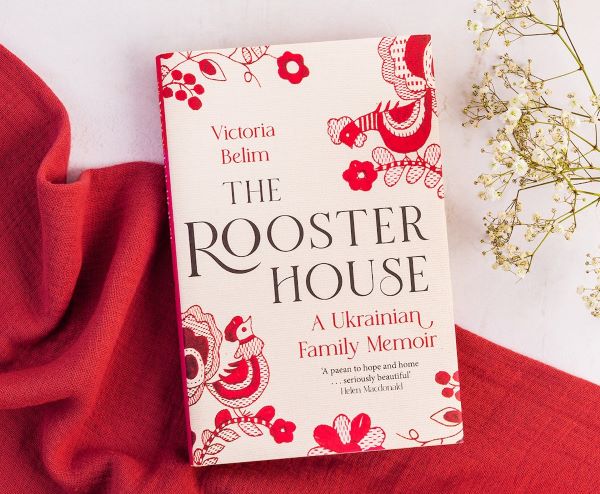
Art, travel, books, history. About my book, The Rooster House.

Medieval Women

I’m convinced that few European historical periods are as intriguing as the Middle Ages. Or as misunderstood. Take the very name–Middle, Medieval, the latter bearing many negative connotations in modern English. The Middle Ages lasted from the 5th to the 15th century, spanning the collapse of the Western Roman Empire and foreshadowing the Renaissance. Much of how we think about medieval times is influenced by Renaissance perceptions, at times just, at times unjustifiably arrogant.

medieval women1

Especially circumspect are the opinions that women played no role in medieval societies and were treated no better than chattel. In reality, women’s status during the Middle Ages was more advanced than could be said of the Renaissance, and the reason many medieval women disappear from the accounts has much to do with the later periods and their rigid conceptions of gender roles.

Continue reading →

Making Perfume From The Rain

The village of Kannauj in the state of Uttar Pradesh has been perfuming India’s emperors and mere mortals for centuries. It thrived under the reign of the Mughal emperor Shah Jahan (1628-1658), the aesthete and arts patron who left the world the Taj Mahal and many other pearls of architecture. In the refined Mughal culture, the use of fragrance was part of daily life, and every courtier knew how to blend perfumes. Today Kannauj continues to produce attars, co-distillations of rose, jasmine, camphor, henna, and vetiver with sandalwood, most of which are used by the chewing tobacco industry. One of the most remarkable local specialties is mitti attar, the smell of rain.
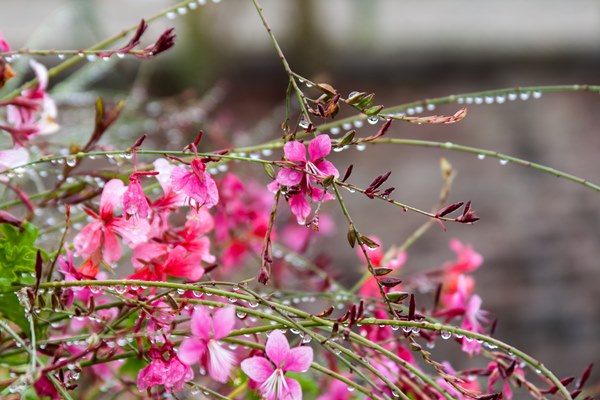
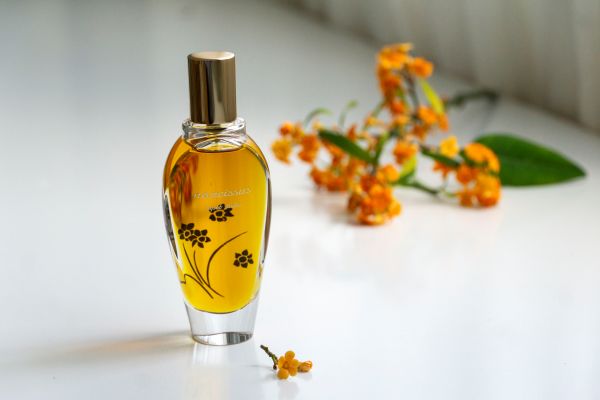
rain flowers

This unique aroma is the subject of Cynthia Barnett’s article Making Perfume From the Rain for The Atlantic. She’s also the author of Rain: A Natural and Cultural History, and in Kannauj she discovers how the artisans process the local clay to capture the fragrance many people find evocative. Of course, rain smells differently around the world, and this is another topic she discusses.

“Every storm blows in on a scent, or leaves one behind. The metallic zing that can fill the air before a summer thunderstorm is from ozone, a molecule formed from the interaction of electrical discharges—in this case from lightning—with oxygen molecules. Likewise, the familiar, musty odor that rises from streets and storm ponds during a deluge comes from a compound called geosmin. A byproduct of bacteria, geosmin is what gives beets their earthy flavor. Rain also picks up odors from the molecules it meets. So its essence can come off as differently as all the flowers on all the continents—rose-obvious, barely there like a carnation, fleeting as a whiff of orange blossom as your car speeds past the grove. It depends on the type of storm, the part of the world where it falls, and the subjective memory of the nose behind the sniff. To continue reading, please click here.”

Is there a perfume that captures the scent of rain for you?

Photography by Bois de Jasmin

The Mixed Legacy of Francois Coty

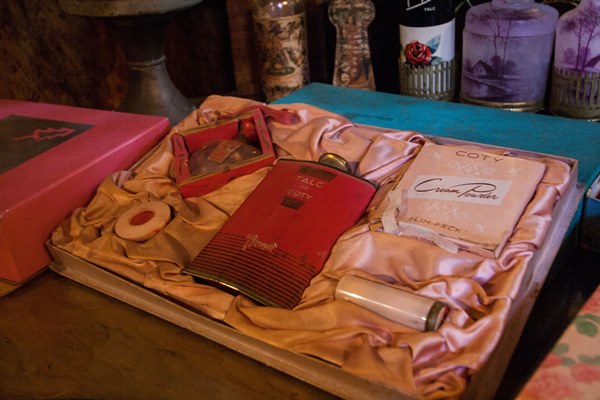
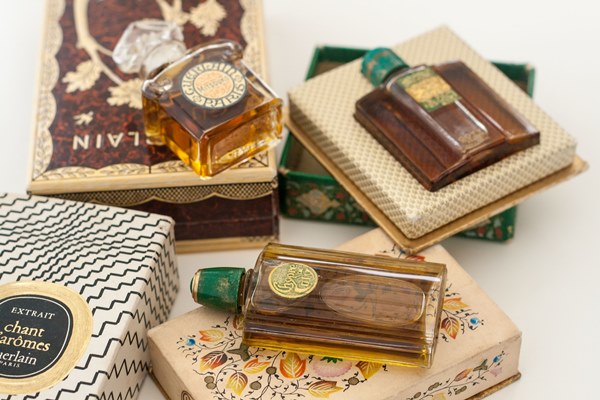
The Chinese heritage mansion in Georgetown, the capital of Penang island in Malaysia, may not have been the most obvious place to reflect on François Coty had it not been for the perfume flacons on display. The vanity tables in the ladies’ quarters featured L’Aimant scented talcs, cream powders, soaps and colognes. Some boxes were barely touched, with the bottles still set into the artfully rumpled peach satin. That these bottles traveled from France to this Southeast Asian town in the interwar era is a testament to Coty’s marketing genius.


malaysia-coty

The man who gave the multi-million dollar fragrance empire his name was a renegade. Decades before Estée Lauder purportedly made it acceptable for women to treat themselves to a bottle of perfume, he revolutionized the industry by breaking some of its rules. Coty cleverly matched the packaging to scents and created eye-catching designs and logos. He offered budget alternatives and scented products, from oils to creams and powders. He didn’t shy away from using new materials, and to this day, the accords he favored qualify as classics. Most of his fragrances charted new avenues in perfumery and set lasting trends.

Continue reading →

Perfumers on Perfume : Ernest Shiftan

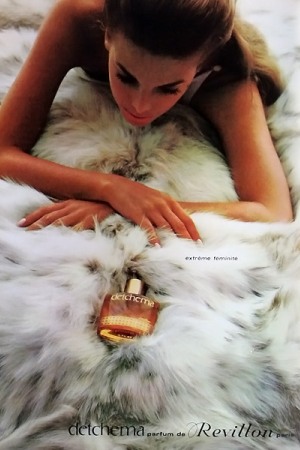
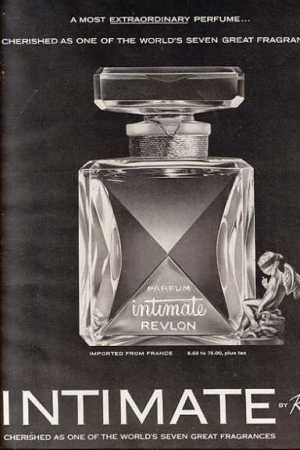
“What a character he was,” said Sophia Grojsman when I once asked her about Ernest Shiftan. When Grojsman came to International Flavors & Fragrances as a young chemistry student, Shiftan (1903-1976) was an experienced perfumer with a great portfolio of fragrances. Over the years, he created fragrances like Brut (with Carl Mann), Révillon Detchema, Jean Naté, Givenchy Le De, Prince Matchabelli Wind Song (with Léon Hardy) and Revlon Intimate. (Some sources mention Estée Lauder Youth Dew and White Linen as his co-creations too, but this is not correct. The former was created by Josephine Catapano, while the latter was the work of Sophia Grojsman. Since at the time Shiftan held the position of vice-president at IFF, his name would sometimes be automatically added to the successful creations of other perfumers.)

detchemaintimate

Shiftan certainly was a character. Well-versed not only in technical and artistic aspects of perfumery, he was excellent at winning customers’ trust and sensing the direction of trends. Shiftan made a famous quip that “in all of America there is only one true nose and it belongs to Estée Lauder.” In turn, Leonard Lauder was unstinting in his praise for Shiftan and the way he put American perfumery on the map. While many of his own creations have been either discontinued or reformulated, the fact that companies like Estée Lauder and Avon can compete with the French brands, and in some sectors of the market, even overtake them, is one of his achievements.

In partnership with the Osmothèque, I would like to share several excerpts from Review of the History of Perfumes, an essay by Ernest Shiftan:

Continue reading →

An Evening of Bounty

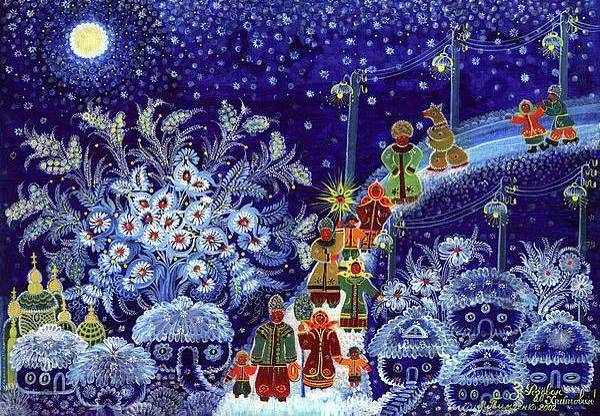
If you’ve ever sung or listened to “Carol of the Bells”, you’ve indirectly partaken in one of the oldest Ukrainian traditions of shchedrivky. The old style New Year’s Eve on January 13th is called Shchedriy Vechir, which means Bountiful or Generous Evening, and part of the celebration includes young women and men visiting their neighbors and singing shchedrivky, couplets wishing good fortune, health and much of bounty in the new year. The most famous song associated with Shchedriy Vechir is “Schedryk” (Щедрик), which was arranged by Ukrainian composer Mykola Leontovych in 1916 and later adapted by Peter Wilhousky as an English Christmas carol, “Carol of the Bells”.

ukrainian christmas

Old traditions are closely intertwined with the customs. Shchedriy Vechir also has the alternative name of Malanka in honor of Saint Melania the Younger whose feast is celebrated on the same day. But the old, pre-Christian customs color the festivities.

Different from carols, which are performed starting on Christmas Eve on January 6th and until the Epiphany on January 19th (the Ukrainian Orthodox calendar still follows the one established by Julius Cesar), shchedrivky focuses on the bounty of nature. The original Ukrainian lyrics for “Carol of the Bells,” for instance, tell the story of a swallow visiting a household and describing all of the rich gifts the family is to see in the spring.

Continue reading →

As Seen On

Design by cre8d
© Copyright 2005-2026 Bois de Jasmin. All rights reserved. Privacy Policy