Food & Fragrance: 176 posts

Articles about the gourmand pleasures, flavorful cooking, scent and taste experiments and tested recipe ideas

Salty Licorice

The look on my face must have said it all, because the woman running a small Scandinavian store not far from Brussels burst out laughing. “Yes, it’s an acquired taste! But we, Swedes, are addicted to it,” she said, fetching a glass of water for me. The topic of conversation–and the reason I couldn’t stop myself from wincing–was a piece of jet black candy called salmiaklakrits in Swedish or salmiakki in Finnish, salty licorice. It’s a confectionery made with licorice extract and ammonium chloride that gives it an unusual saltiness–the more ammonium chloride is added, the saltier the candy tastes. Licorice is an acquired taste to begin with, but salmiakki is in a category of its own.
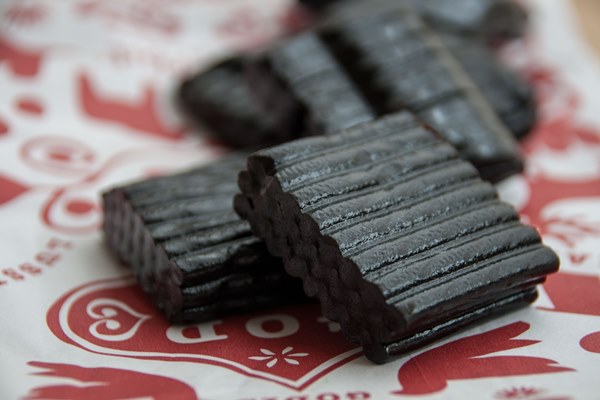
salmiak

Besides the Nordic countries, salty licorice is also enjoyed in the Netherlands and the north of Belgium and Germany. People who love it are a passionate bunch and active proselytizers. If a Dutch friend casually suggests you try something called Dubbelzout drop, beware that you’re about to make the acquaintance of an extra salty licorice. I guarantee, the memory of that drop will stay with you for a long while afterwards. After your friend has delighted enough in your suffering, she will then pop the stuff in her mouth, make audible signs of pleasure and give you a smug–“my taste buds are so superior”–smile.
Continue reading →

Gifts From The Silk Road

One of my favorite stores in Brussels isn’t a chocolate shop. It’s not even a fabulous perfume treasure trove called Senteurs d’Ailleurs. It’s a supermarket at Rue de l’Escadron 35 called FreshMed. Technically, it’s not even in Brussels proper, but in Etterbeek, one of the 19 communes that make up the metropolis. It’s a store offering a vast selection of Middle Eastern and Mediterranean foods, with a smattering of Baltic and Polish products.

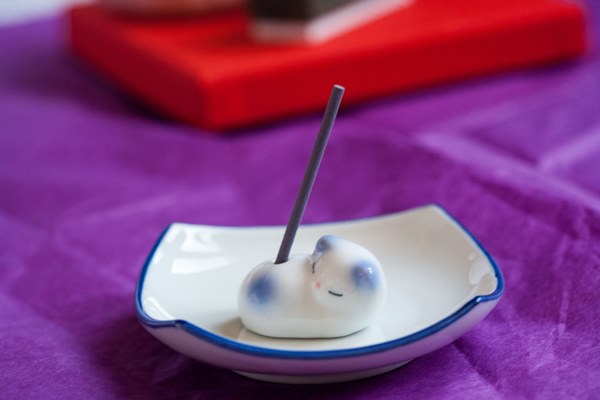
incense-cat-burner

FreshMed isn’t a fancy store; it’s a place where the aesthetics are provided by the towering pyramids of fresh vegetables and fruits, not an overly creative interior design. I like this simple and unpretentious approach. Here you can find fresh tarragon and pomegranates, stock up on Greek retsina and Lebanese arak, and then load up your cart with homemade foods: tiny Syrian pies, Turkish-style pizza, hummus, tzaziki, olives and 10 kinds of feta. Then there are shelves of Iranian floral waters, Cretan dark honeys and Moroccan amber scented soaps. It’s a journey down the Silk Road within the space of a few supermarket aisles.

Continue reading →

Estonian Blue Tea

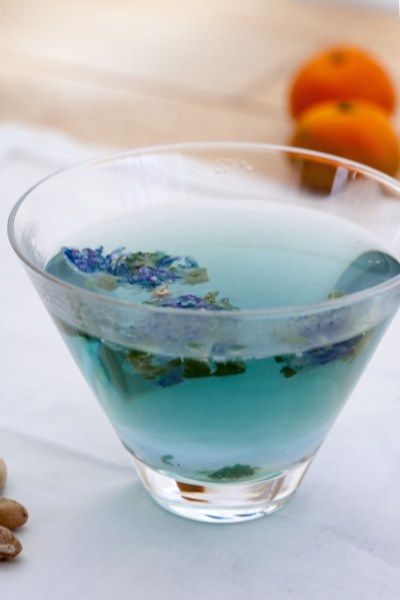
The tea in my cup was bright blue. The friend who gave me a herbal mixture for what she called “Estonian Blue Lagoon Tea” promised lots of color, but I still didn’t expect a shade of aquamarine. The taste was refreshing and minty, perfect as both a cooling summer drink and a morning pick me up. I wondered what the famous devotee of herbal teas, Agatha Christie’s Hercule Poirot, would make of it. What was this mysterious blue herb?


blue-mallow-tea

Poirot’s detective skills weren’t needed to discover that Estonian tea, or more properly tisane, since it contains no true tea leaves, is made of blue mallow or hollyhock. It’s the same plant that the Roman scholar Pliny recommended for so many ailments that it became known as an omnimorbia, or cure-all, while the feisty Japanese lady-in-waiting Sei Shonagon found its beautiful flowers most unsuitable if worn in frizzled hair. All of this only added to the appeal of my Estonian discovery, which I loved as much for its gorgeous color as its soft floral taste.

Continue reading →

Jenever Belgian Liquor : Juniper, Rose, Lavender

Museums where you can exercise your sense of smell are few and far between. As anyone who has tried to convince a gallery to add a fragrance exposition knows, it can be a difficult undertaking. “Not enough funding” is a common excuse. One is left treating the aisles of Sephora as the august halls of perfume education. Or so it seems at first, because besides museums featuring fragrance, there are numerous venues that feature scent. For instance, any museum dedicated to wine or spirits would have a smelling bar and an explanation of aromatics. That you can later taste the stars of the exhibit only adds to the appeal.

lavender2jenever2

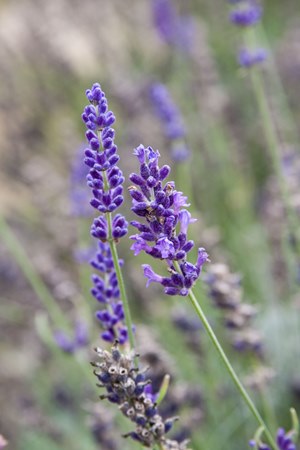
During my research on the lavender farm in Limburg, I discovered that Hasselt, the province’s capital, has a jenever museum. Jenever, also known as genièvre, genever or peket, is an ancestor of gin, a local spirit made out of grain and flavored with juniper and other botanicals, and it has been made in the region since the 13th century. Wine and brandy distilled from grapes have traditionally been expensive, while the surfeit of corn brought from the New World made aqua vitae distillers eager to experiment. The result was a drink described as “banishing cares and making the heart courageous.”

That this 75 proof liquor has such an effect is easy enough to believe. Jenever might have started out as medicine, but instead of using sugar to mask the rough taste of the alcohol base, pharmacists chose a much more interesting approach by flavoring it with spices, herbs and flowers. Eventually, locally grown juniper started to dominate the composition, while jenever moved from the pharmacy shelf to the cafe.

Continue reading →

Sweet Tomato Chutney with Pistachios and Raisins

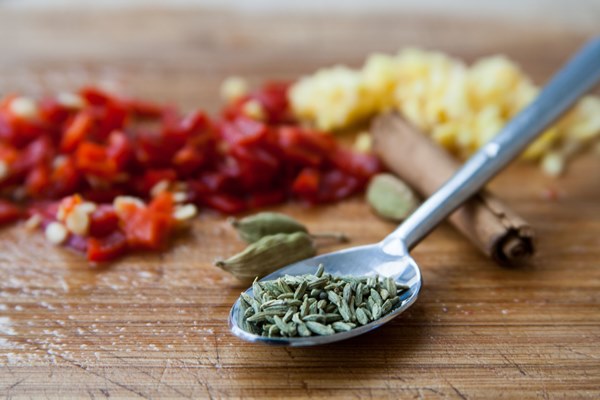
That tomato is a fruit becomes obvious once you pair it with sugar or sweet ingredients. One of the main aromatic components of tomato, furaneol, is also called strawberry furanone by fragrance and flavor chemists, because it’s such an important note in the complex berry aroma. Incidentally, it’s one of the reasons behind difficulties with tomato accords in perfumery–they smell of red berries if there is even a modicum of sweetness in the formula. It’s therefore natural to treat tomato in much the same way as you would a fruit–cooking it into jams, combining it with sweet pastry or melting it down with vanilla and caramel for an ice cream sauce. Or you can make it into a sweet chutney to be served with grilled meat or rice dishes.

tomato chutney

Chutney is an Indian sauce that may be raw or cooked, and the ingredients run the gamut from fruits and vegetables to beans and nuts. I’m a chutney fiend. I firmly believe that a dollop of chutney makes anything better–a sandwich, a bowl of rice, a piece of grilled chicken. So do many Indians, because not only do they excel in coming up with the most unusual chutney combinations, they don’t hesitate in pairing them together. For instance, spicy green coriander chutney is often partnered with a sweet date one. As you dip crisp eggplant fritters first in one, then the other and experience the explosion of flavor, you understand how silly is the whole idea of “less is more.”

Continue reading →

As Seen On

Design by cre8d
© Copyright 2005-2026 Bois de Jasmin. All rights reserved. Privacy Policy