Food & Fragrance: 176 posts

Articles about the gourmand pleasures, flavorful cooking, scent and taste experiments and tested recipe ideas

Fennel Cardamom Sherbet (Saunf ka Sharbat)

La canicule, the heatwave, has reached Brussels, with temperatures in the city these days exceeding those of Delhi. Unlike in India, life in Belgium is not designed for a hot climate. Air conditioners are a rare item in most households. The buildings trap heat. The large windows turn apartments into greenhouses. Last night I was dreaming that I was sleeping on the edge of an exploding volcano. It might as well have been our bedroom.
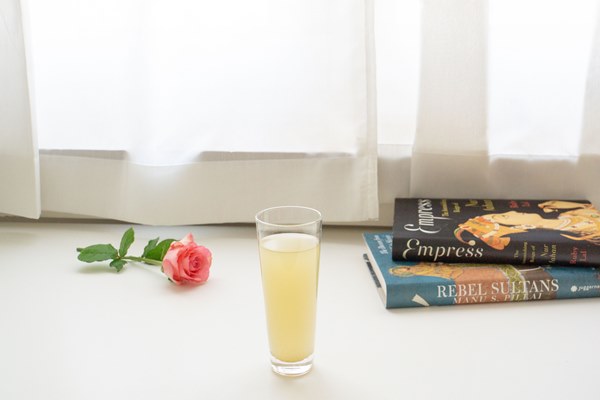
Trying to retain sanity in this heat, I turned to classical Delhi remedies. Since escaping to the cool mountain resorts in Darjeeling wasn’t in the cards, I made a refreshing fennel seed sherbet, saunf ka sharbat.

Continue reading →

Culinary and Aromatic Journey Across the Islamic World

“My most vivid scent from Beirut was that of gardenias. Our neighbor’s garden was full of gardenia trees and when they flowered, the smell was so heady and divine that I would stay outside just to enjoy it,” recalls Lebanese-born Anissa Helou. As a journalist, chef and prolific cookbook author, she has traveled the world collecting recipes and learning how different nationalities prepare their food. Yet when I ask her for a favorite scent memory, it’s the perfume of Lebanese gardenias that she describes.

I was inspired to reach out to Helou after I spent a few weeks in a haze of coriander, rosewater and saffron, thanks to her magnum opus, Feast: Food of the Islamic World. Published this spring after many years of extensive research, it’s a fascinating compendium of recipes from countries united by their Islamic heritage. As I describe in my article for FT Magazine, A Cultural And Aromatic Journey Across the Islamic World, another common link among the diverse cuisines Helou describes is their attention to aromatics.

Continue reading →

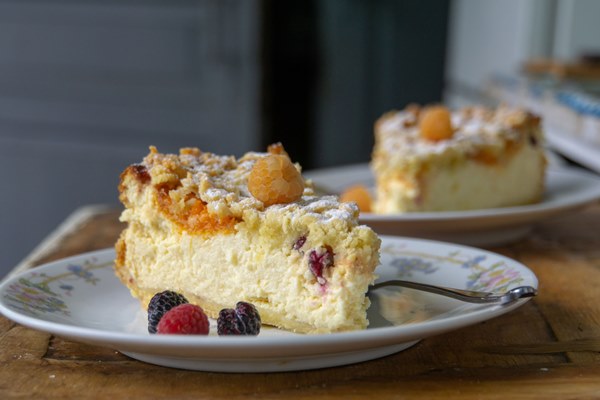
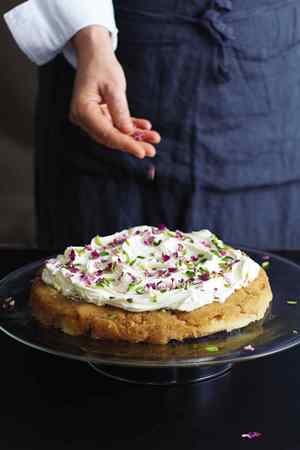
Ukrainian Apricot Cheesecake (Syrnyk)

If I had to choose a favorite dessert, it would be cheesecake. If I had to choose a favorite fruit, it would be apricot. So, why not put the two together? The creamy cheese filling contrasted with the luscious fruit and crumbly pastry makes for a perfect summer treat.


Syrnyk, from the Ukrainian word for cheese, syr, is a local favorite. There are hundreds of variations, from the sumptuous Lviv-style syrnyk covered with chocolate glaze to the crustless cheesecake usually baked for breakfast. (Yes, Ukraine is the place where cheesecake can be had first thing in the morning.) But when I found a recipe in my great-grandmother’s cookbook for an apricot syrnyk, I was tempted enough to brave the heat wave and fire up the oven. The result was worth it.


Continue reading →

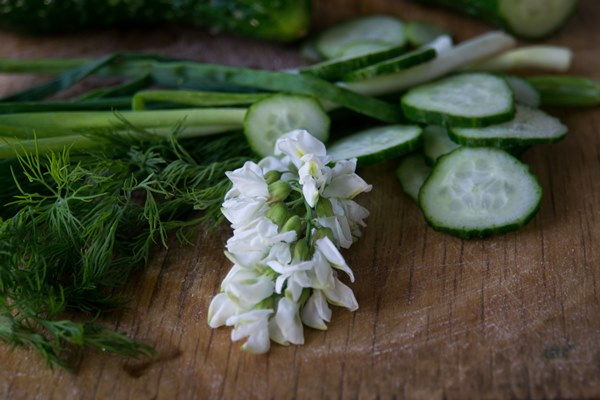
White Acacia and Cucumber Salad : Edible Flowers

While mimosa makes me think of the last days of winter in Provence, white acacia flowers evoke late spring. It’s not only the sweet scent that appeals to me, but also the taste. Beignets de fleurs d’acacia, acacia flower fritters, are a seasonal treat, a crisp confection dusted with powdered sugar. The acacia season is fleeting, but it overlaps with that of rose de mai, so when I visit Grasse for the harvest, I try to time it to taste the beignets.

What I call white acacia is really a black locust tree (robinia pseudoacacia), a common plant in both Europe and the United States, blooming in April-May, depending on the region. I’ll continue calling it white acacia, because that’s the name most familiar to me–and besides, it’s prettier. Whatever you call it, it’s edible, and the flowers taste like sugar snap peas, but sweeter and more delicate. Since it’s an invasive plant, one might as well forage for it and eat it.

Continue reading →

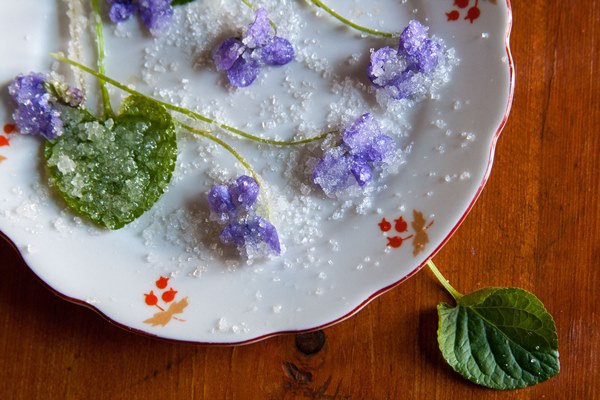
How to Candy Violets

Last spring I found myself short of sugar sprinkles to decorate a cake but I did have a big bouquet of violets from the garden. My grandmother, never at loss for ideas, flipped through her notebooks and found a simple recipe for making candied violets at home. “Brush each petal with egg white, sprinkle with sugar and leave on a rack to dry,” was the only instruction. So I followed it and ended up with pretty candied flowers. They not only lasted for a few months in a tightly covered tin, but also retained their bright color and delicate flavor.

Unlike commercial candied violets, homemade flowers don’t have an aggressive purple color nor the strong scent of synthetic ionone. If your violets are scented, you can taste the real violet flavor, which is a combination of raspberry and rose. It’s more subtle, but also more nuanced and complex.

Continue reading →

As Seen On

Design by cre8d
© Copyright 2005-2026 Bois de Jasmin. All rights reserved. Privacy Policy