Classics & Vintages: 175 posts

Vintage treasures, iconic perfumes

Scent Diary : Chamade and Ice

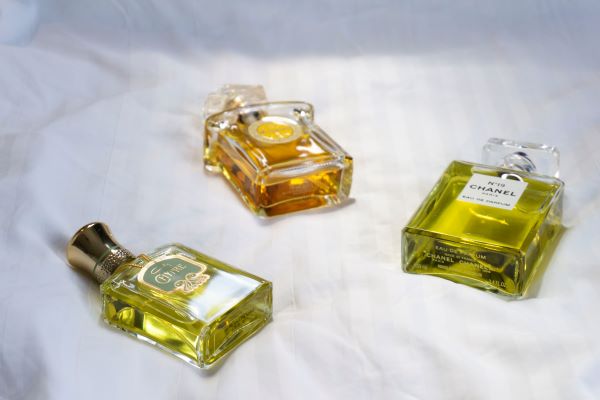
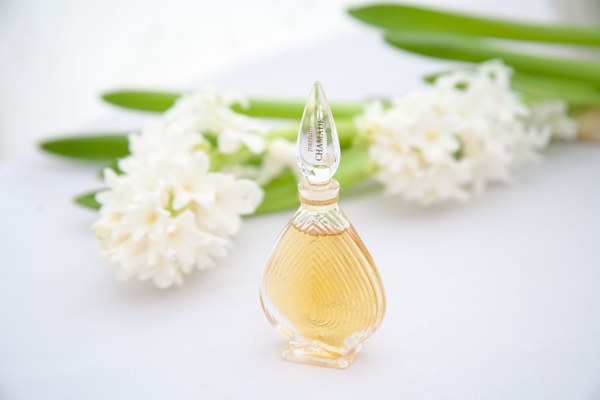
I like when I wake up in the morning expecting another grey winter day and find everything touched with ice. Belgian skies are grey, fog has a grey tint, but seen through the arabesques of ice on the window, the world looks enchanted–and the grey becomes pearly. I selected Chamade today, one of my favorites from Guerlain. I’ve been revisiting Guerlain classics lately, and Chamade, along with Mitsouko, have kept me company. Chamade is a green floral, with notes of hyacinth, blackcurrant, and galbanum offset by amber and woods. Impeccably crafted, it develops in waves as it were. First, there is a wave of lemon yellow, then green, then pale purple. But Chamade’s radiance persists throughout. It lingers so well that I’m sure that when I wake up on the Christmas morning, its soft glow will remain on my scarf.
What about you? What are you wearing today?

Scent Diary is a place to write your observations about the scents around you. Whether you write down 1 recollection or 10 matters less than simply reminding yourself to smell. You can add as many comments as you wish. You can comment today or over the course of the week; this thread will always be open. Of course, do share what perfume you’re wearing or what particularly good scented products you’ve discovered.

While looking through my articles, I found this article that I wrote a few years ago but that still remains popular and often-read: A to Z Tips for Enjoyable, Affordable and Rewarding Perfume Hobby. If you have any tips to add, I’d love to hear them.

I wish all of you Merry Christmas and a Happy New Year! Thank you for your reading, visiting, and for joining my classes. It’s been such a pleasure meeting many of you face to face.

Photography by Bois de Jasmin
Scent Diary : Mitsouko and Japanese fairy tales

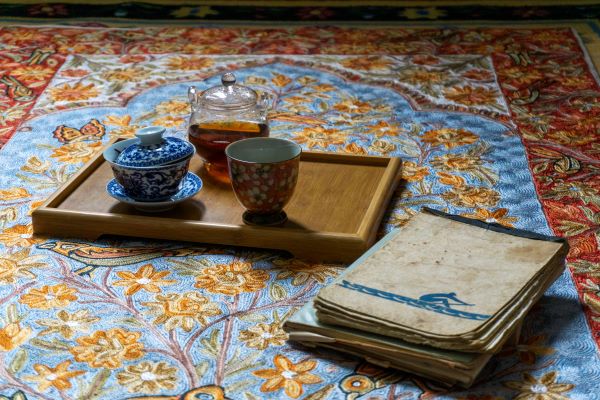
Yesterday came the snow. It always feel magical to watch the city disappear and melt behind the curtain of whiteness. Even when the snow melted, the sensation of miracle lingered. I had a full day, but as soon as I was finished with work, I made a cup of tea, put on Guerlain Mitsouko and started reading Aoko Matsuda’s Where the Wild Ladies Are, a modern retelling of Japanese folktales, complete with ghosts, foxes, and magical trees.

To be exact, Guerlain Mitsouko selected me, and not the other way around. I sprayed some Mitsouko the other day to study its woody accord, and the fragrance lasted on a blotter for several days. Some even landed on my chair cushion, so I feel like I’ve been in a cloud of Mitsouko this whole week. The peaches and cinnamon top notes, however, are so luscious that I didn’t mind re-spraying it again. Its mysterious character fits well the mood of Japanese fairy tales.

Continue reading →

100 Fragrances That Influenced Perfume History E-Book

Many of you have been asking me to continue the series 100 Fragrances That Influenced Perfume History. These articles still remain among the most visited ones on Bois de Jasmin for the behind-the-scenes information they offer, stories and the connections between famous fragrances and contemporary launches. Since Bois de Jasmin is going to turn 17 years old next year, I decided to put the series into an e-book, which I will make available to my readers as a gift. Your participation and support mean a lot to me, and I would have been able to maintain Bois de Jasmin over almost two decades without it. It would be my pleasure to share something special with you.

How to receive the e-book

To receive the e-book, please subscribe to my newsletter. When the book will be available, I will send it to you in the pdf format.

If you’re a current subscriber and would like the newsletter, then when you enter your email address into the box below, you’ll have a chance to update your preferences.


If you’ve subscribed, but you don’t receive any emails from me, please check your spam filter and add my email address to your contact list.

The 100 Fragrances That Influenced Perfume History e-book will be available in fall-winter 2021, date TBD.

Any questions or requests? Please ask them in the comments below. Also, please let me know what would be your preferred format for the book.

Photography by Bois de Jasmin

Why Frankincense Is On The Verge of Disappearing

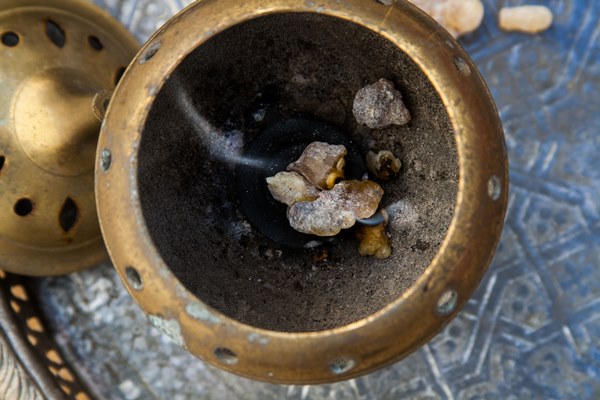
Incense is one of my favorite notes, whether it’s the classical frankincense (olibanum) r the blends meant to evoke the aroma of Japanese or Indian powders and joss sticks. I will eventually cover the different notes that convey an incense-like effect, but today I will start with frankincense. It’s an iconic ingredient, and in perfumery if you see incense mentioned in a fragrance pyramid, it’s often frankincense. Another reason I would like to start my incense series with frankincense is that it’s an ingredient under threat.

Frankincense is obtained from about five species of Boswellia trees found in North Africa, Western Africa, India, Oman, and Yemen. Centuries before oil became the source of Oman’s wealth, frankincense was its true gold. In order to collect frankincense, harvesters make incisions in the trunks of the trees. The oozing sap eventually hardens and is gathered in pellets. Men typically gather the resin, while women clean it and sort the so-called frankincense tears by size. In my film, I described the danger of frankincense harvesting, since the trees grow on hard-t0-access cliffs.

In Somalia, trees have always been highly valued and the groves were local property, passed down within clans. Trees were tapped only after they were at least 12 years old and the harvest would be rotated to give the plants time to heal. However, armed conflicts and rising demand for the resin collided to create conditions for overharvesting.

Continue reading →

Famous Perfumery Roses : Rose Damascena

Last week I covered the topic of rose de mai, or rosa centifolia, and it’s only fitting to turn my attention to the other famous perfumery rose, rose damascena or rosa damascena. Richer in essential oils than centifolia, it’s the most important rose cultivar for fragrances. In my video, I will describe this variety, show how rose absolute and rose oil look alike and explain where it’s grown.

Of course, I will also discuss rose damascena in fragrances. Although associated with feminine perfumery, roses of all types, natural and synthetic, are are used in masculine fragrances as well as compositions that are not obviously floral. I will explain how perfumers use rose nuances and to what effect.

Continue reading →

As Seen On

Design by cre8d
© Copyright 2005-2026 Bois de Jasmin. All rights reserved. Privacy Policy