Classics & Vintages: 175 posts

Vintage treasures, iconic perfumes

Why Is Rose Centifolia Such An Expensive Ingredient

I had a chance to harvest roses in Grasse on a couple of occasions and to observe the process of rose absolute and rose essential oil distillation. The experience of jumping into a pile of rose petals was certainly heady and memorable, but what struck me the most was the work involved to produce rose absolute. Since the famous rose of Grasse, rose centifolia, or rose de mai, contains less essence than rose damascena, it’s rarely steam-distilled. Instead, it has to be processed in a multi-step manner, which requires skill, experience and the right equipment.

My most recent video is about rose centifolia. As I explain, the processing of rose blossoms into rose absolute is a complicated and time-consuming process.  First, the flowers are treated with an organic solvent such as hexane, and the resulting extract is then vacuum distilled. The solvent is removed, and the resulting product is called concrète.

Continue reading →

What Materials Are Valued by Perfumers And Why

If you’ve ever been confused by a term “matières nobles” or “noble materials” in a perfume marketing description, I have a video for you. These materials are so called, because in classical French perfumery, they are renowned for their expense and know-how required to produce them. These materials typically include floral essences such as rose oil, rose absolute, jasmine absolute, tuberose absolute, etc. The term should be taken with a grain of salt, because just because a press release mentions “matières nobles,” there is no guarantee that they’re present in a discernible amount or that they are “noble” indeed. Natural essences also have quality categories.

In the video, I describe the history of the term and then mention the materials that are valued by perfumers. To explain how they are used in a fragrance formula, I will use the following perfumes as my examples:

Serge Lutens A La Nuit
Chanel No 5/Jean Patou Joy
Etat Libre d’Orange Rossy de Palma
Acqua di Parma Iris Nobile
Frédéric Malle Une Fleur de Cassie
Comme des Garçons Wonderwood

Any materials that you particularly like in fragrances? What note mentioned in descriptions tempts you to try a fragrance?

Classical Perfumes For Those Who Don’t Like Classics

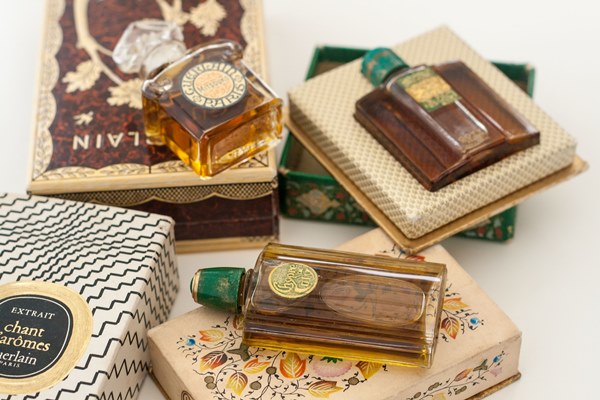
The more I delve into perfumery, the more the subject of fragrance classics fascinates me. Although when it comes to my day-to-day choices I still wear many fragrances from niche brands, I reach for classics when I want to experience the scent of another time, a glimpse of another era or simply to take myself out of my routine. For this reason, classics remain among my staples. What’s more, all of the recent top-selling fragrances lists from the US, France, Germany and Italy feature classical fragrances like Guerlain Shalimar, Chanel No 5, and Christian Dior Eau Sauvage.

Not everyone, however, is enamored with classics. Some people find them old-fashioned. Some think that they are too demanding or that they don’t fit their lifestyle. Can you wear Chanel No 19 while cleaning your flat? Or don Mitsouko for a supermarket run? While as I’ve said many times before, you need not like the classics, giving them a chance will benefit your understanding of perfumery. Another important consideration is that classical ideas are often reused in niche fragrances, so instead of paying the niche prices, you can find the same thing–and often of much better quality–from the original source.

Continue reading →

The Scent of Empire Chanel No 5 and Red Moscow by Karl Schlogel

The Scent of Empire: Chanel No 5 and Red Moscow by Karl Schlögel

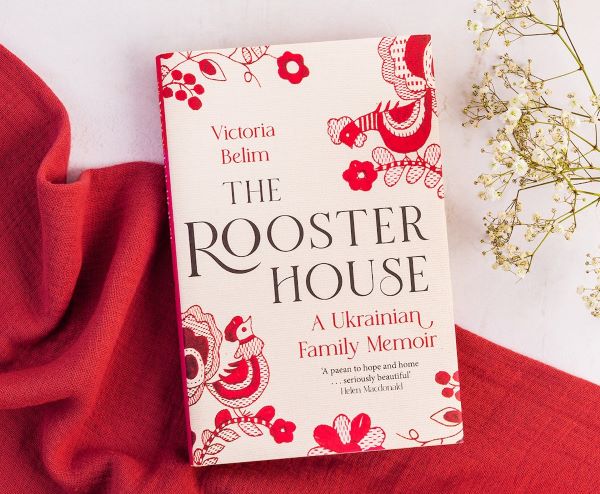
The first time my grandmother was introduced to my future grandfather, he was performing a duet with his brother. Identical twins and devastatingly handsome, the duo sang their most popular number about a girl holding a bottle of “Tejé.” This French-sounding perfume intrigued me, but despite searching for Tejé in Google and various perfumery databases, I couldn’t find any trace of it. It was not until I read Karl Schlögel’s book The Scent of Empire: Chanel No 5 and Red Moscow did I realize that that it wasn’t Tejé, but rather TeZhe. It certainly was not French. TeZhe stood for the State Trust of Fat and Bone Processing Industry, which included perfume manufacturing. It was the LVMH of the USSR, if you will, and it was under its auspices that the most famous Soviet perfume, Red Moscow, was born. Schlögel’s book is about the world of Red Moscow and its intriguing connection to Chanel No 5.

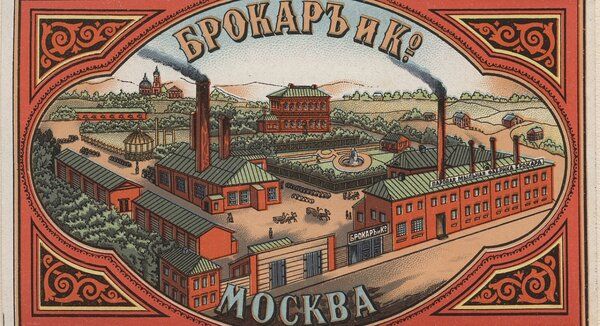
Brocard Moscow vintage poster

Schlögel’s story alternates between Moscow and Paris, Red Moscow and No 5 and the personalities that surrounded them. Red Moscow was created in 1925 by Auguste Michel, who like the creator of No 5, Ernest Beaux, was a French perfumer working in Moscow. Michel was born in Grasse and joined Rallet in Moscow in 1908, where he and Beaux were students of Alexandre Lemercier. Beaux and Michel had been influenced by the work on aldehydes done by the perfumer Robert Bienaimé at Houbigant. Beaux remained with Rallet, while Michel moved to work for Brocard, another French perfume house in Moscow.

Continue reading →

Fascinating Perfumery: How Violets and Ionones Made History

It’s not an understatement to say that without the humble violet we wouldn’t have perfumery as we know it today. At the end of the 19th century when the fashion for violet perfumes was all the rage, several German chemists set out to isolate the aroma-material that gives this flower its delicate and yet persistent scent. Until then violet essence was distilled from the flowers of Viola odorata, a process that required more than 33,000 kg of flowers to obtain a kilogram of violet oil. The search for Veilchenduft, the scent of violet, led to the discovery and isolation of ionones, a class of materials that are sweet and powdery.

In today’s film, I describe how this violet-scented revolution happened and compare different types of ionones. The term ionone is derived from the Greek word “iona,” which means violet, and “ketone” referring to its chemical structure. Several isomeric ionones occur naturally in flowers like rose and violet as well as in different fruit and berries. Fine grades of Japanese green tea are rich in ionones as is milk–if a cow eats ionone-rich alfalfa, ionones will then be found in its milk.

I mention several violet gold standards such as

Coty L’Origan

Guerlain L’Heure Bleue

Chanel No 19

Chanel Coco

Rochas Femme

Yves Saint Laurent Paris

Lancôme Trésor

This episode focuses more on the classics, and in the next film I will discuss modern fragrances featuring ionones. Ionones: Sweet and Powdery includes even more perfumes and information on these fascinating materials.

Of course, I would love to hear about your favorite violets, vintage or modern. 

As Seen On

Design by cre8d
© Copyright 2005-2026 Bois de Jasmin. All rights reserved. Privacy Policy