Spring: 105 posts

My favorite springtime scents

Atelier Cologne Jasmin Angelique : Perfume Review

44444

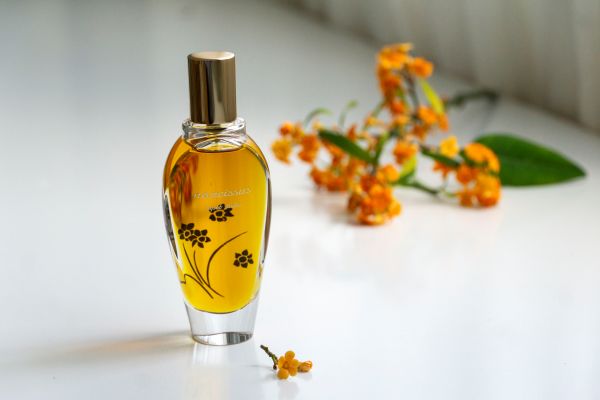
Angelica may seem like an esoteric perfume note to be obsessed with. If people associate it with anything, it’s with the candied green stems that make their way into cakes.  As I discovered when I was researching an article for my FT column, it’s an essential ingredient in many types of fragrances and a fascinating material. Angelica combines musky and green nuances with a bright, peppery touch, making it a perfect partner to florals, citrus, woods and musks. Atelier Cologne Jasmin Angélique is firmly in the floral camp, but its angelica layer gives the fragrance complexity and radiance.
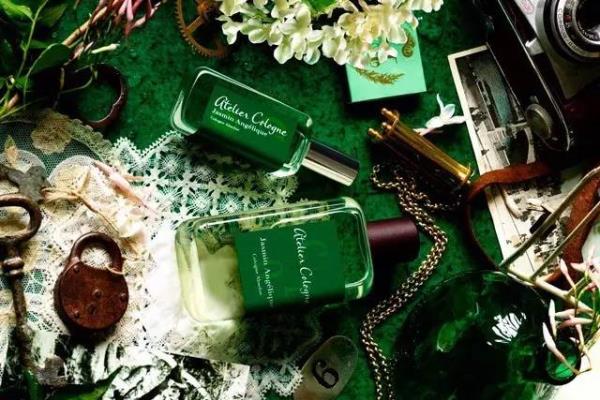
The first impression of Jasmin Angélique is so green and peppery that it’s a surprise every single time I put on the perfume. It’s the hit of gin, the bite of black pepper and the pleasant bitterness of greens rolled into one accord. The illusion is created by the use of frankincense that can smell either dark or shimmering depending on what notes accompany it. Here it is paired with leafy notes, and the effect is dazzling.
Continue reading →

Audrey Hepburn : Scent, Spring, Rome

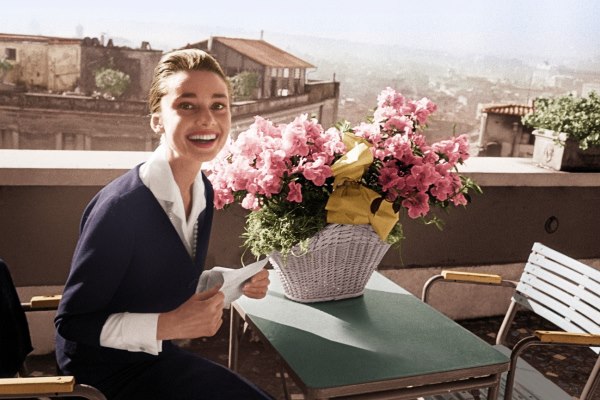
The other day I was reading through old issues of Vanity Fair and found an interview with Luca Dotti, the second son of Audrey Hepburn. He was reminiscing about his mother, her relationship with his father, her acting career, her dismissive attitude to her looks, her thoughts on aging and the things she enjoyed the most. Audrey Hepburn’s image is such a familiar one that it’s difficult to see the real woman behind the large glasses, little black dresses and Givenchy couture. Dotti’s interview, however, is refreshing, and those who find Hepburn fascinating should take a look at it.

Yet, one part above all others caught my attention. Dotti was describing the ways in which his mother remains in his life and the small things that remind him of her. He said that he and Audrey had a ritual of noticing scents–of flowers, food, any other aromas. Audrey had an acute sense of smell, and when Dotti is thinking of scents, he feels that his mother is near.

When asked in what way his mother remains most physically present in his life, Dotti says, “Through scent.” Not perfume, but “the light sensation of a smell,” Dotti says his mother preferred. “We joked a lot together about the fact that both she and I have a very good sense of smell. So there are certain scents, you know, a certain cake, or a flower, things like that. It’s not so physical, but it’s powerful. And every spring, especially here in Rome, you have this smell of orange blossom in the air. Spring is coming and it was her favorite season. It makes me think of her.”

Continue reading →

Peach Flowers and Cherry Leaves : 5 Fragrances for Hinamatsuri

This week as Belgium and the rest of Europe was battered by Siberian winds, I’ve enjoyed thinking about peach blossoms and pink confections. March 3rd is celebrated in Japan as Hinamatsuri, also known as Girl’s Day or Doll’s Festival. Starting in February, families with daughters put up elaborate platforms representing the imperial wedding, complete with the emperor, empress, court ladies, famous poets and musicians of the Heian era (794-1192). These doll sets are usually given by grandparents to their granddaughters as they wish them health and happiness. Since most Japanese live in tiny, cramped apartments and doll sets cost around $2000, only a few still keep to the old customs. Nevertheless, girls are still feted on this special day.

The reason I enjoy Hinamatsuri is not for the dolls but the flowers and food. March 3rd is known also as Momo no Sekku, the festival of peach blossoms. Peach trees blossom even before spring makes its first claims, and the flowers are as beautiful as they are symbolic–delicacy need not come at the expense of resolve. The fragrance of peach blossoms has a hint of bitter almond and creamy jasmine, but it’s fresh and bright. The pale color of flowers inspires the meals served on Hinamatsuri, like chirashi zushi, a bed of vinegared sushi rice scattered with raw fish, salmon roe, egg threads and pickled lotus root slices, or hishi mochi, diamond shaped rice cakes in delicate pastel shades. My other favorite is sakura mochi, glutinous rice cakes filled with red beans and wrapped in a salted cherry leaf.

Continue reading →

Reading Tea Leaves: Best Tea Perfumes in 10 Different Styles

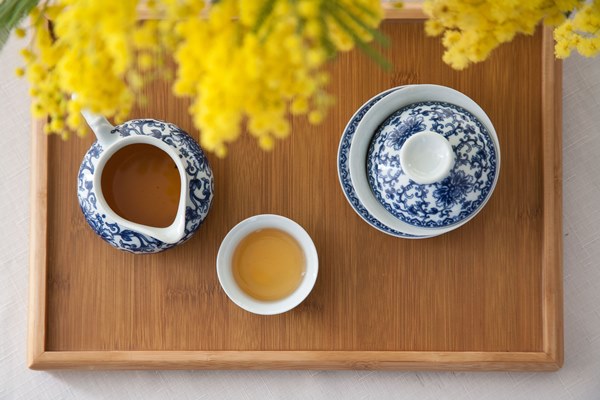
The scent of tea leaves is created by hundreds of aroma-molecules, and each variety has its unique fragrance. Terroir plays a role as does the method of curing the tea leaves. For instance, steamed Japanese teas like sencha and matcha have grassy, spinach-like aromas thanks to hexenal, while mildly oxidized oolongs share aromatics with lilac blossoms, roses and jasmine (nerolidol, cis-jasmone, linalool). The smoky profiles of teas like lapsang souchong are created by molecules like pyrazines, longifolene and guaiacol. In an interesting twist, guaiacol, along with certain types of pyrazines, is what gives roasted coffee its distinctive scent, which is why smoky teas are recommended to coffee drinkers wanting to expand their horizons. With such a rich palette of aromas, the tea accord is a fascinating exercise for a perfumer.

In my recent article on the development of Bulgari’s Eau Parfumée au Thé Vert, I described how Jean-Claude Ellena discovered a novel accord and created a modern classic. Since Bulgari launched the perfume in 1992, it became the green tea of fragrance. However, tea accords aren’t limited to delicate green blends, and when I began researching my article, I realized how many fragrances successfully incorporate a tea effect, both light and dark. I decided to make a list of the most interesting examples, in 10 different styles.

Continue reading →

Green, Green, Green : A Selection of New Perfumes

Green accords in perfumery are infamous for being difficult. Difficult to create and difficult to enjoy. Balmain’s Vent Vert, the iconic green fragrance, is praised by perfumers as one of the most innovative and daring, but it was eventually reformulated to become tamer and milder. What is it about green fragrances that makes them so polarizing? In my new FT column, On Green Scents, I explore the new spring launches and point out my favorite verdant composition.

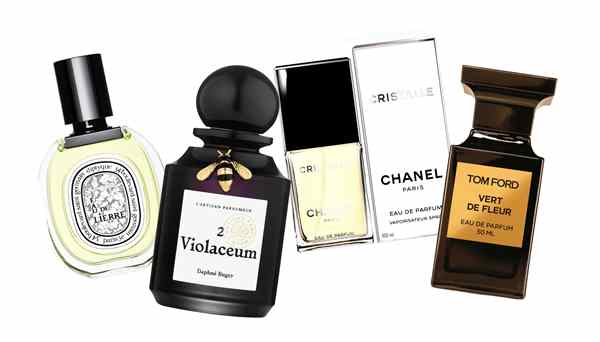
Perfumers rely on different classes of ingredients to produce these green accords, some natural and some synthetic, and finding the right harmony can be complicated. Freshly cut grass, its aroma so appealing on a warm day, can turn metallic on skin, while certain herbs can overwhelm delicate notes. Tom Ford Vert de Fleur is notable in that it not only conjures up a vivid verdant effect, but also preserves the nuance. It smells of dew-covered iris petals, damp earth and vetiver roots. To continue reading, please click here.

Where do you place yourself on the green spectrum? Do you like a touch of green? Or is it, “We want a shrubbery”?

Photography by HTSI

As Seen On

Design by cre8d
© Copyright 2005-2026 Bois de Jasmin. All rights reserved. Privacy Policy