Fennel Cardamom Sherbet (Saunf ka Sharbat)

La canicule, the heatwave, has reached Brussels, with temperatures in the city these days exceeding those of Delhi. Unlike in India, life in Belgium is not designed for a hot climate. Air conditioners are a rare item in most households. The buildings trap heat. The large windows turn apartments into greenhouses. Last night I was dreaming that I was sleeping on the edge of an exploding volcano. It might as well have been our bedroom.
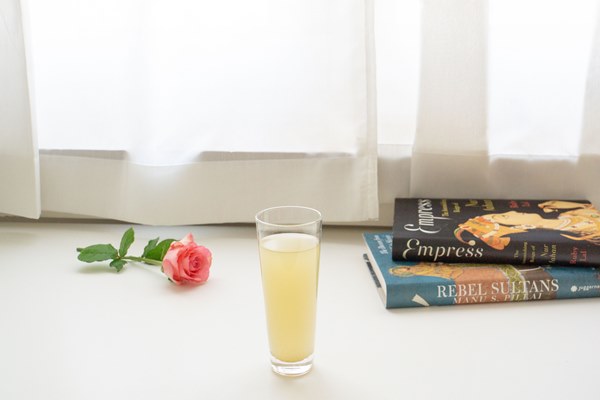
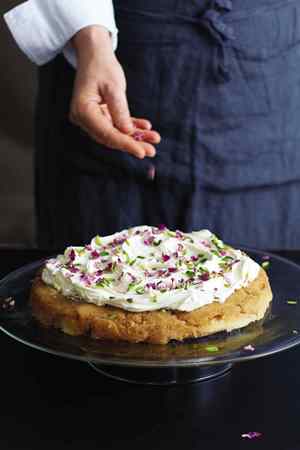
Trying to retain sanity in this heat, I turned to classical Delhi remedies. Since escaping to the cool mountain resorts in Darjeeling wasn’t in the cards, I made a refreshing fennel seed sherbet, saunf ka sharbat.
Continue reading →

Culinary and Aromatic Journey Across the Islamic World

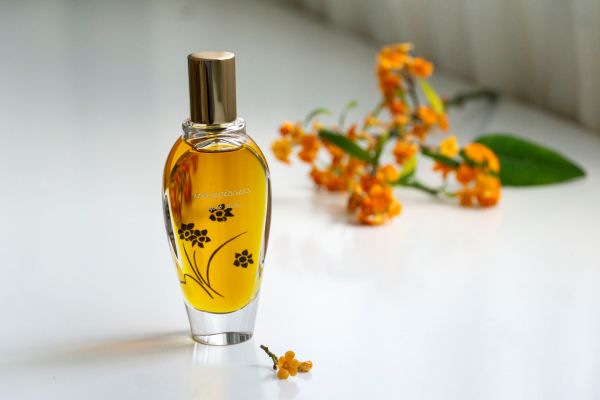
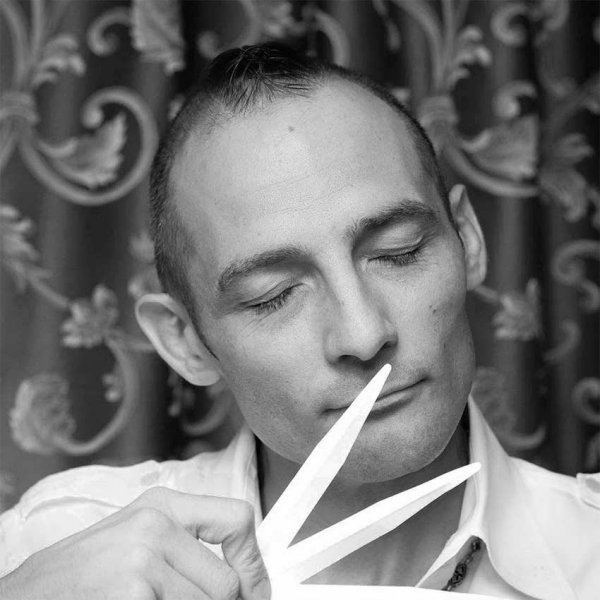
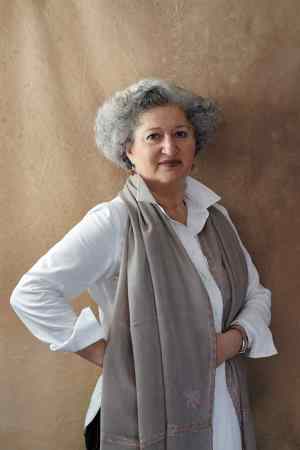
“My most vivid scent from Beirut was that of gardenias. Our neighbor’s garden was full of gardenia trees and when they flowered, the smell was so heady and divine that I would stay outside just to enjoy it,” recalls Lebanese-born Anissa Helou. As a journalist, chef and prolific cookbook author, she has traveled the world collecting recipes and learning how different nationalities prepare their food. Yet when I ask her for a favorite scent memory, it’s the perfume of Lebanese gardenias that she describes.

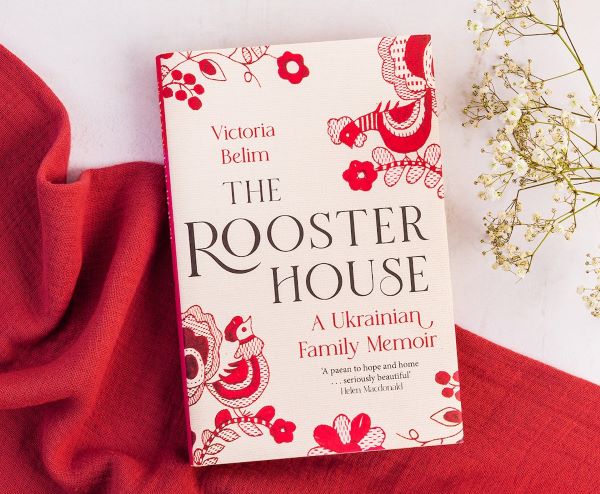
I was inspired to reach out to Helou after I spent a few weeks in a haze of coriander, rosewater and saffron, thanks to her magnum opus, Feast: Food of the Islamic World. Published this spring after many years of extensive research, it’s a fascinating compendium of recipes from countries united by their Islamic heritage. As I describe in my article for FT Magazine, A Cultural And Aromatic Journey Across the Islamic World, another common link among the diverse cuisines Helou describes is their attention to aromatics.

Continue reading →

Recommend Me a Perfume : July 2018

Our July newsletter is out! Please take a look and let me know what you think.

Meanwhile, the “Recommend Me a Perfume” thread is open this week. You can this space to find fragrance recommendations, to share your discoveries and favorite scents, and to ask any questions about scents, aromas and flavors.

How does it work: 1. Please post your requests or questions as comments here. You can also use this space to ask any fragrance related questions. To receive recommendations that are better tailored to your tastes, you can include details on what you like and don’t like, your signature perfumes, and your budget. And please let us know what you end up sampling. 2. Then please check the thread to see if there are other requests you can answer. Your responses are really valuable for navigating the big and sometimes confusing world of perfume, so let’s help each other!

To make this thread easier to read, when you reply to someone, please click on the blue “reply” link uner their comment.

Photography by Bois de Jasmin

The Memory of a Mulberry Tree

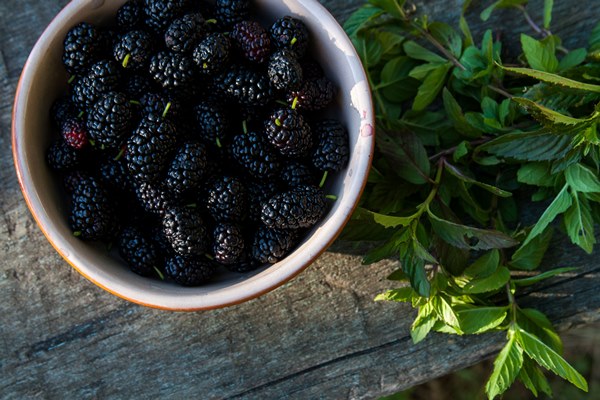
Not long ago I posted a photo of mulberries to my Facebook page and by the end of the day I had scores of comments and emails filled with the mulberry-related reminiscences. I was surprised how many people had a mulberry tree as part of their childhood. Reading the comments, I too tasted the mulberries of Esfahan and Israel, climbed the tall trees in Romania and Texas and made jam in California. In sharing stories, we made our own Silk Road spanning the mulberry memories and the globe. It also turned out be quite a cosmopolitan tree with the Eastern roots. It’s called tuta in Aramaic, tut in Persian, Arabic, Turkish, and Hebrew, duda in Romanian. In Ukrainian, it’s either called tut or shelkovytsa, the silk tree berry.

In my part of Ukraine mulberry trees are ubiquitous. They’re a reminder of the old history: of the manor estates of the Poltavan gentry and of the silk farms established as part of the Five Year plans by the Soviet government. Both the gentry and the five year plans are long gone. The mulberries remain. The berries cover the sidewalks in indelible ink stains and scent of fermented, overripe fruit hangs in the summer haze.

Continue reading →

Ukrainian Apricot Cheesecake (Syrnyk)

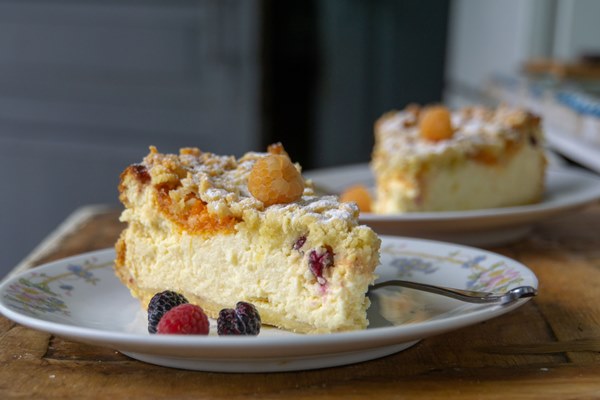
If I had to choose a favorite dessert, it would be cheesecake. If I had to choose a favorite fruit, it would be apricot. So, why not put the two together? The creamy cheese filling contrasted with the luscious fruit and crumbly pastry makes for a perfect summer treat.

Syrnyk, from the Ukrainian word for cheese, syr, is a local favorite. There are hundreds of variations, from the sumptuous Lviv-style syrnyk covered with chocolate glaze to the crustless cheesecake usually baked for breakfast. (Yes, Ukraine is the place where cheesecake can be had first thing in the morning.) But when I found a recipe in my great-grandmother’s cookbook for an apricot syrnyk, I was tempted enough to brave the heat wave and fire up the oven. The result was worth it.
Continue reading →

As Seen On

Design by cre8d
© Copyright 2005-2026 Bois de Jasmin. All rights reserved. Privacy Policy