Pomegranate and Orange Blossom

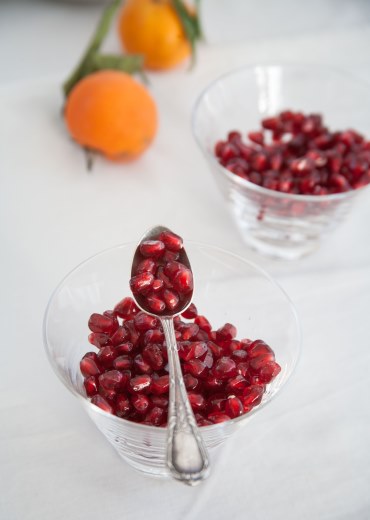
Along with blood oranges, quince and yuzu, pomegranates make me anticipate winter. Their season starts in the autumn and continues even when our northern European lands enter the somber grey days of February. Most of the pomegranates in Belgium come from Turkey, but I’ve discovered that Spanish and Californian fruit has the best taste, a rich melange of sour, sweet and mildly tannic notes that calls to mind red wine and Cornelian cherries.

To select a good pomegranate, look for a glossy, heavy fruit that doesn’t have soft spots. Different varieties of pomegranates range from dark red to pale pink, so pick the richest colored fruit from the batch. Opening a pomegranate holds a sense of suspense–what will it hold inside its leathery skin? The moment when the orb breaks open to reveal the segments full of garnet beads is a small wonder. I’ve opened hundreds of pomegranates in my life, but this giddy delight never lessens.


Continue reading →

Bitter and Fresh : Citrus Colognes for Winter

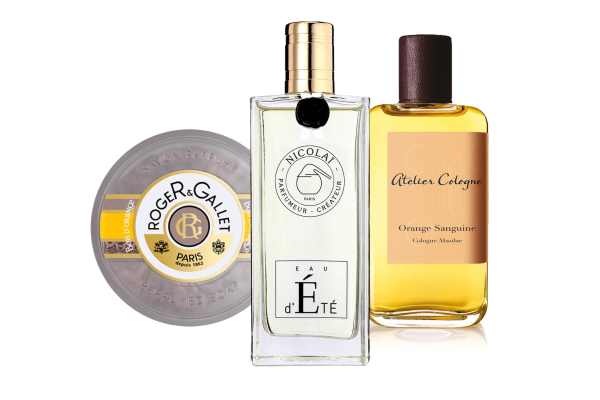
In my new FT column, Sublime Citrus Scents, I talk of Napoleon, bitter oranges and an iconic fragrance family, colognes. Contrary to usual recommendations, I prefer colognes in the winter, and it’s not simply because I don’t believe that scents are seasonal. The freshness of colognes is uplifting on dark winter mornings.  The zesty aromas linger in the cool air and I start noticing new facets even in my summery staples. Finally, while I enjoy winter, even in its grey and rainy Belgian variant, cologne can bring a beguiling reminder of spring.

“Napoleon Bonaparte is said to have used litres of cologne, even when on his military campaigns. While my ambitions don’t reach as far as world domination, fragrances suffused with citrus nevertheless feature prominently in my perfume wardrobe. Few aromas are more uplifting and rejuvenating, and their versatility makes colognes an easy fragrance type to adapt to various moods and occasions. To continue, please click here.”

Please let me know what citrus fragrances you prefer and whether you have favorite winter colognes.

Image via FT

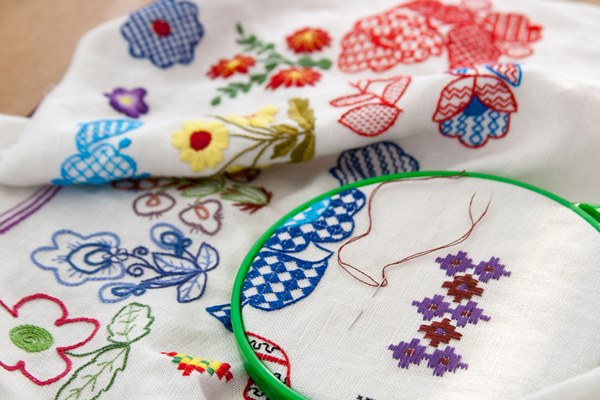
Indian Vignettes : Henna

Hands painted with henna smell of leather, wilted jasmine and dried lemon peel. A strange but evocative scent. The moment I catch a whiff of it, I think of Indian weddings, including my own. I know only two perfumes with a henna note, The People of the Labyrinths A.Maze and Parfum d’Empire Azemour les Orangers, in which henna plays up their soft leather accords.

Have you ever had your hands painted with henna? If you know of other perfumes with henna notes, please let me know.

Photography by Bois de Jasmin

The Passion of Johann Georg Pinsel

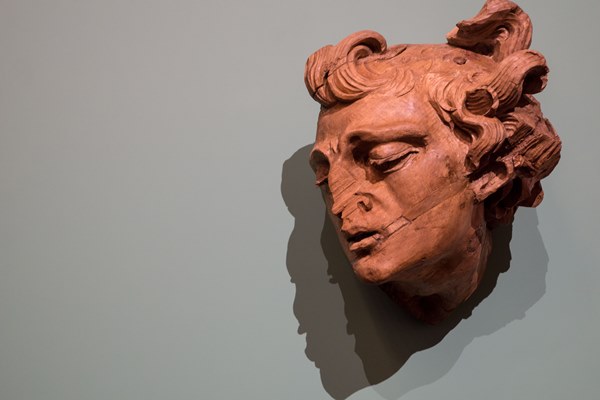
It’s not often that a sculptor causes me to crisscross Europe in search of his traces. But Johann Georg Pinsel did just that. I took rickety marshrutka buses to distant Ukrainian villages to see his work at local churches. I visited many a palace where fragments of his sculptures were displayed–a wing of an angel, a headless saint, a saint motioning one to come closer and listen to the revelation. Finally, I made it to Lviv, a western Ukrainian city, and later to Vienna, the center that once exerted considerable political power over Lviv. These journeys spanned almost a year, intertwined as they were around other trips and exploration, but somehow, Pinsel, a mysterious 18th century master, was the leitmotif.

Very little is known about Pinsel. His name was only established with certainty in the 1990s. Where was he born? With whom he did study? The area where he chose to work was the Lviv region, at the time a part of the Polish-Lithuanian Commonwealth and after the first Partition of Poland in 1772, a part of the Habsburg Empire. After Stalin signed the Molotov-Ribbentrop Pact with Nazi Germany in 1939, these territories once again exchanged hands and ended up in the Soviet Union. This bloody and brutal history had consequences for the master who has been dead for almost two centuries–he was forgotten.

Continue reading →

Rum Raisin Cake

Next to the cookbooks written by my great-grandmother Olena, my other beloved ones are by the Ukrainian food writer Daria Tsvek. I love her voice, advice, and of course, recipes that highlight the flavorful Galician cuisine of Tsvek’s native Lviv. Last week I tried Tsvek’s rum raisin cake that comes from a book called For the Festive Table (До Святкового Столу). Published in 1973, it offers menus and recipes for holidays and celebrations, along with suggestions on how to organize one’s time and host dinner parties.

I picked up the book for my cookbook collection, but I ended up cooking so much from it that I made a photocopy to use in the kitchen. Tsvek’s imaginative and inventive flair fill the pages. She’s able to concoct an elegant feast out of the simplest ingredients, and reading her book I’m not even aware of the endemic Soviet shortages that must have made the task of a recipe writer difficult. Her rum raisin cake turned out to be buttery, crumbly and fragrant, a recipe to add to my baking repertoire.

Continue reading →

As Seen On

Design by cre8d
© Copyright 2005-2026 Bois de Jasmin. All rights reserved. Privacy Policy