L’Artisan Parfumeur Oeillet Sauvage Fragrance Review


Soliflorals, fragrances based around a single flower, have a school-marmish reputation. Orange blossom and tuberose have been made trendy (Jo Malone Orange Blossom) and chic (Frédéric Malle Carnal Flower), but the idea of wearing a straightforward rose or lavender perfume still doesn’t excite many women. One might as well ask them to don an apron over a house dress and host a tupperware party. Carnation perfumes fare worst of all. Take a look at any consumer survey at fragrance marketing departments, and you’ll see all sorts of derogatory adjectives next to this classical note–“dated,” “fusty,” “old-fashioned,” or the ultimate insult, “boring.”
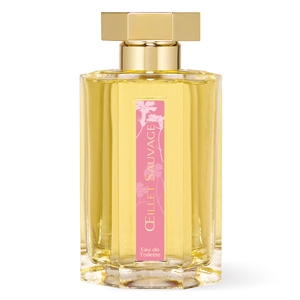
This is a shame, because it means that those of us who love carnations for their opulent spicy scent get a short shrift. I’ve collected a number of classical carnation perfume bases (mixtures of natural and synthetic notes that are used as building blocks in fragrance compositions) and have been on a permanent quest to find as many interesting carnation perfumes as I can. L’Artisan Parfumeur reissued Oeillet Sauvage just in time for my mission.