Fragrances That Influenced Perfume History : 100 Great Perfumes Series 4 / 10

Mimosa

Series 1 :: Series 2 :: Series 3 :: Series 4 :: Series 5 :: Series 6 :: Series 7 :: Series 8 :: Series 9 :: Series 10

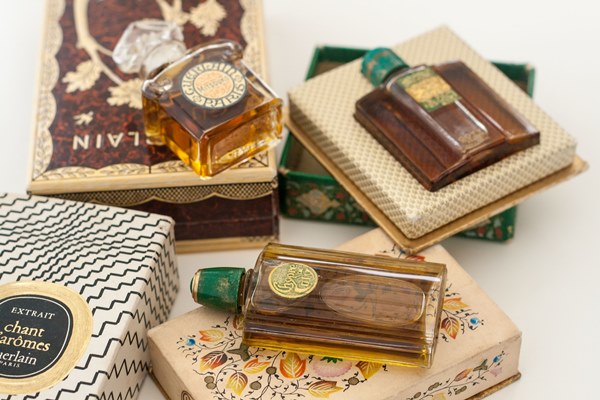
I am continuing the 100 Great Perfumes series that originated from the perfumery training course I designed. The next ten fragrances display a trend that would peak in the 1980s—increasingly louder fragrances. This was an American phenomenon that first was explored by Estée Lauder in her Youth Dew fragrance and that subsequently received a new interpretation with fragrances like Lagerfeld Chloé, Giorgio Beverly Hills and Christian Dior Poison. The fragrances below also highlight a new trend that would mark the 1970s—green chypres, a vibrant combination of exhilarating green notes and the earthy darkness of moss and patchouli. Where would we be today without fragrances like Chanel No 19, Estée Lauder Alliage and Clinique Aromatics Elixir?

Continue reading →

Coumarin, Tonka Beans : Perfume Notes

Tonka

Baked cherries, almonds, sweet hay, cloves, vanilla and caramel… The aroma of tonka beans, the seeds from the fruits of the Dipteryx Odorata tree native to South America, has a fascinating complexity and richness. An important note in a perfumer’s palette, tonka bean absolute (and its main component coumarin) lends fragrances a unique facet. The oriental genre in perfumery is inconceivable without the candied almond and vanilla note of tonka. It is a common note to nearly all classical Guerlain fragrances and is an important part of the accord that gives perfumes like Shalimar and Chamade their voluptuous, baroque aura. 

Continue reading →

Buckwheat and Mushroom Pilaf Recipe : Toasty, Savory Notes

IMG_5892s

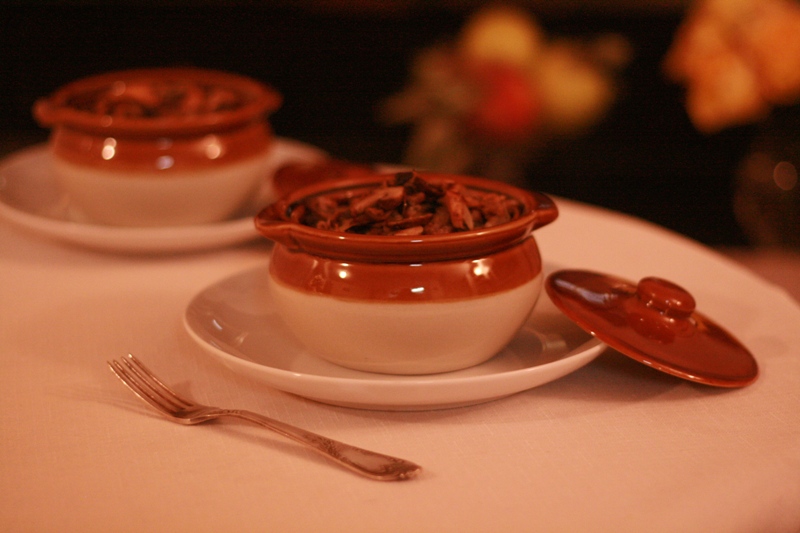
As I was enjoying the toasty sandalwood of Serge Lutens Jeux de Peau recently, it reminded me of the burnt, caramelized notes we enjoy in food such as coffee, freshly baked bread, chocolate and pralines. These flavors oscillate between languid sweetness and smoky bitterness, yet all facets add up to an irresistible mélange. In food, as in fragrance, the judicious use of charred notes can convey a savory, mouthwatering sensation. One of my favorite ways to experience this is a simple buckwheat pilaf. Accented with the dark, piney notes of mushrooms and sweet caramelized onions, this traditional Russian dish is very satisfying. In the spring, it takes well to morels and white field mushrooms, while in the winter, it can be made with smoky and savory dried porcini.

Continue reading →

Etat Libre d’Orange Rien (Nothing) : Perfume Review

55555

Rien

Star rating: 5 stars–outstanding/potential classic, 4 stars–very good, 3 stars–adequate, 2 stars–disappointing, 1 star–poor.

Anyone familiar with the provocative aesthetic of Etat Libre d’Orange will suspect at once that the fragrance named Rien (Nothing) is likely to be a dramatic mélange. The first whiff of the fragrance proves that one’s suspicions are indeed correct—Rien is a blast of civet and leather, with bitter green and earthy iris notes weaving a dark tapestry. Bold, dramatic, overwrought, it hits all of its accords at once. Yet, those who love classical fragrances and leather notes will find Rien thrilling, since it offers a glimpse into the vanishing grand parfum tradition—challenging, complicated, and memorable. Rien has the complexity of Clinique Aromatics Elixir, the intelligence of Chanel No 19, the brashness of Robert Piguet Bandit and the sensuality of Serge Lutens Muscs Koublai Khan. It is exciting in its blend of classical themes and modern effects.

Continue reading →

Montale Black Aoud : Perfume Review

44444

Miniature

Star rating: 5 stars–outstanding/potential classic, 4 stars–very good, 3 stars–adequate, 2 stars–disappointing, 1 star–poor.

To be perfectly honest, I find many Montale oud fragrances to be overly brash and lacking nuance, yet I am ready to eat my words anytime I discover something that proves me wrong. Black Aoud, a surprisingly authentic Arabic style fragrance, made me forget both my distaste for the oud trend as well as for Montale. Oud (agarwood), derived from a species of Aquallaria trees affected by a fungus, has a unique fragrance, which ranges from honeyed tobacco to warm fur. Given the numerous nuances of this material, it is possible to fashion different effects, whether dusky and smoky or luminous and suave. Black Aoud exemplifies the East Arabic style of perfumery that tends towards the latter.

Continue reading →

As Seen On

Design by cre8d
© Copyright 2005-2026 Bois de Jasmin. All rights reserved. Privacy Policy