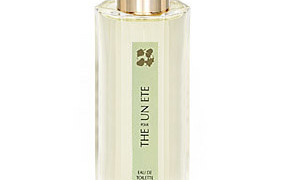
Jasmine, lilac, honeysuckle, gardenia, and orange flower all have diverse olfactory profiles, yet they share the presence of indole, which gives them a rich, narcotic fragrance. Without this unique material, which in pure form looks like white diamond dust, it would have been impossible to recreate the true scent of blooming flowers. A tiny amount of indole is all it takes to infuse life into a composition of floral notes, to make an abstract, vague petally form to appear as a lush, nectar suffused flower.
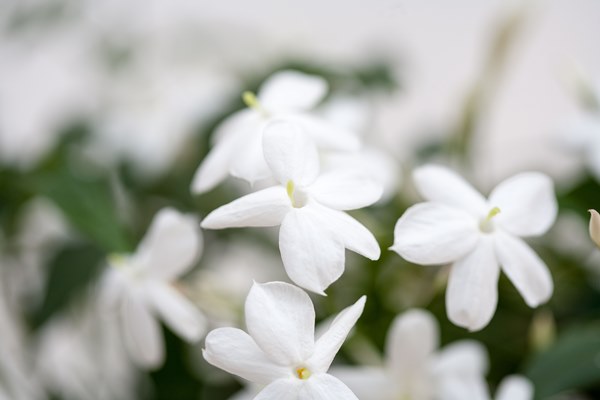
Indole is often described as “fecal and animalic,” which is a complete misrepresentation. In its pure form, indole smells like moth balls, possessing the same heavy, sweet, tar-like pungency. In fact, it is so strong, suffocating and diffusive that smelling it pure one is hard pressed to imagine that it could be a lovely floral note. Yet, indole changes dramatically in dilutions. It suddenly displays its radiant, floral quality. The suffocating moth ball effect disappears to give way to a completely different image–a handful of gardenia petals or a branch of jasmine flowers. The opulent, narcotic effect of indole is employed whenever a perfumer wants to create a floral effect or else to give a lift to a heavy, oriental composition.
Continue reading →