Perfume 101: 517 posts

Here you can find how to guides to selecting, testing and enjoying scents. Also includes are the lists of our top favorite perfumes for different occasions and articles covering all range of topics related to fragrance. If you’re curious to step inside a perfume lab (or even become an industry professional), this group of essays will be of interest.

Hermes Cedre Sambac : Perfume Review

44444

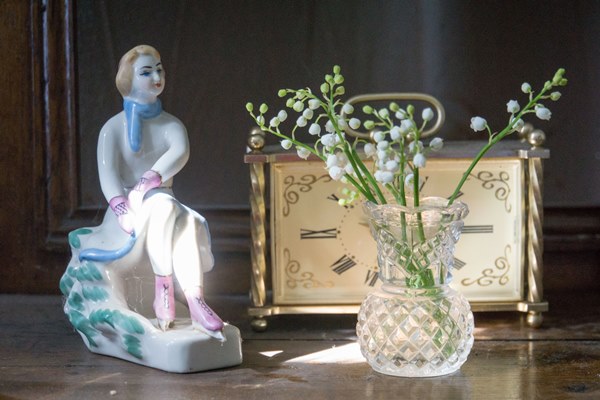
The moment I set my foot in lands where jasmine blooms, I find a flower to smell–a single blossom, a sprig, a garland. I think that I know exactly what jasmine smells like, but every soil makes for a different scent. Jasmine in Provence has an apricot nuance. Indian jasmine smells leathery. Spanish jasmine has a cinnamon inflection in the afternoon and a simmering musky warmth in the evening. Indonesian jasmine is green and sweet, the most unexpected combination. Smelling Hermès’s Cèdre Sambac, I wonder where the perfumer Christine Nagel found an inspiration for such a creamy yet transparent impression.
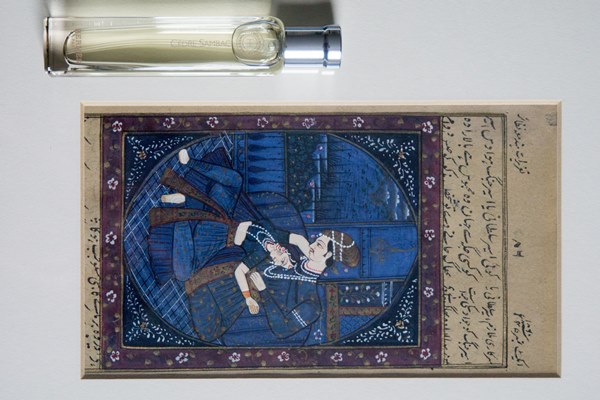
Nagel says that the inspiration for the five new Hermessences came from the Middle East. Jasmine attars from that part of the world have a certain richness that can be either opulent or smothering, depending on the attar-blender’s skill and the perfume lover’s capacity for jasmine. Cèdre Sambac, however, is all glow.
Continue reading →

Lilac Chronicles

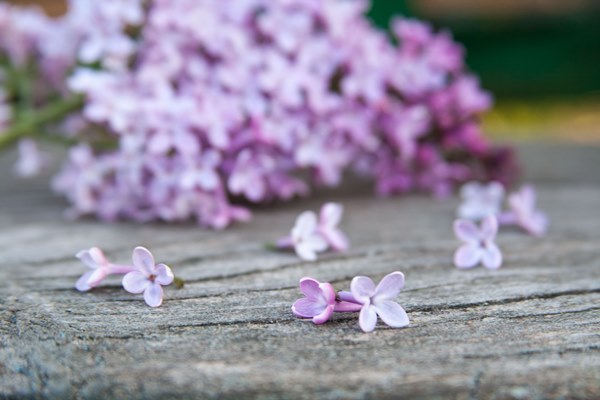
When Asya, my great-grandmother, traveled, she always came back with a sapling wrapped in damp newspapers. Asya’s doctor prescribed for her mineral water treatments for her chronic kidney ailment, and she often went away to take cure. But I rather think that she was on a mission to collect as many flowering plants as possible. Once back, her suitcases thrown on the bench in the yard, she went into the garden–still in her heels and hat–and planted the drooping seedlings. Some wilted, but many took root, filling the air with their fragrance–roses, carnations, lilies, jasmine.

Asya’s favorite plant was lilac. She brought them from every trip, from every visit to a greenhouse or a flower market. When I can’t fall asleep at night, I often imagine the path into Asya’s garden flanked by two tall lilac trees that bend towards each other. I count the lilac varieties and try to remember their scent, but usually slumber overtakes me before I get past the tenth bush.

Continue reading →

The Fragrance of Old Things

Walking around the old châteaux in the Loire Valley, I kept cataloging the scents–damp stone, varnished wood, fading lilies, old tapestries. In the Château de Saché where Balzac used to stay for prolonged periods of time, the damask upholstery of the chairs heated by the morning sun gave off a waffle like sweetness, while the green cabinet in the Château de Chenonceau, out of which Catherine de Medici ruled France for 30 years, had a salty whiff of driftwood. Though the former residents of these places are now ghosts–just names in history books, monuments, symbols, it seems through these scents that they linger still, in the shadows.

Old things, things touched by many hands, things bearing marks of time, always drew me. It seemed that they might have their own spirits. Years later when I had the chance to spend time in Japan, I realized that this idea was less fanciful than it seemed, and the whole system of Shinto beliefs is based on the idea that everything possesses a spirit. A place. A tree. A stone. A writing pen.

Continue reading →

A Perfumer’s Guide to Benzoin

Luang Prabang in northern Laos is a city of magnificent temples and old royal palaces. Although far from undiscovered by tourists, it still has a quaint ambience and mellow pace of life. It stretches languidly along the Mekong, glittering with the numerous golden spires that grace its pagodas. Visitors are attracted here by Luang Prabang’s beautiful architecture and even more by its splendid cuisine, but I made the journey for the aromatic material called benzoin.

Benzoin is one of the most essential ingredients in a perfumer’s palette, and whether I’m creating accords for my perfumery courses or as part of my research, I often turn to this rich, balsamic note for warmth and sweetness. In my new FT column, A Perfumer’s Guide to Benzoin, I describe my track to the benzoin plantations in Laos and then discuss how this ingredient is used in fragrances. If you’re curious to try it, I give a few interesting options, from both niche and department store brands alike.

Benzoin is also used in Papier d’Arménie, a type of incense. I once wrote about making your own: Papier d’Arménie At Home.

To read all of my FT Magazine columns, please click here. They appear on a bi-weekly basis.

Do you know that benzoin is also a popular flavor used in candy and even toothpaste?

Image via FT

Hermes Myrrhe Eglantine : Perfume Review

44444

When I first heard of the new Hermessence collection, with its ouds and myrrhs, I was apprehensive. The previous additions to the line were all sheer, opaline and ethereal, and I couldn’t see how Middle Eastern inspiration could continue the same aesthetic. As it turns out, I underestimated Christine Nagel, the current in-house perfumer for Hermès, because Agar Ebène, Cèdre Sambac, Myrrhe Églantine, Cardamusc and Musc Pallida have the radiance that gives the house’s perfumes its distinctive quality. They also have curves and sensuality.

Myrrhe Églantine is the most classical of the five new Hermessence fragrances and the one that pays the most homage to an existing perfume, Rose Ikebana. Created by Jean-Claude Ellena, Rose Ikebana was one of the most underrated gems from the collection. Yes, it’s a pretty, fizzy rose, but it also had a level of precision and refinement that few other fresh roses possess. Myrrhe Églantine plays with the same shimmering effects, but it sets the rose against a velvety background.

Continue reading →

As Seen On

Design by cre8d
© Copyright 2005-2026 Bois de Jasmin. All rights reserved. Privacy Policy