Perfume Trends: 62 posts

Overview of fragrance trends and popular perfumes

Salt and Flowers

A Japanese friend once served me a cup of sakurayu, a salted cherry blossom tea that she brought from Kyoto. The flowers unfurled slowly in the hot water, turning the liquid a shade of pale pink and infusing it with the aroma of almond and apricot. This springtime drink made me wonder what it is about the combination of salt and flowers that makes it so intriguing. The topic of salt and flowers is the subject of my FT column, Magic of Salt. I explore salty effects in perfumery and the way they can uplift floral notes.
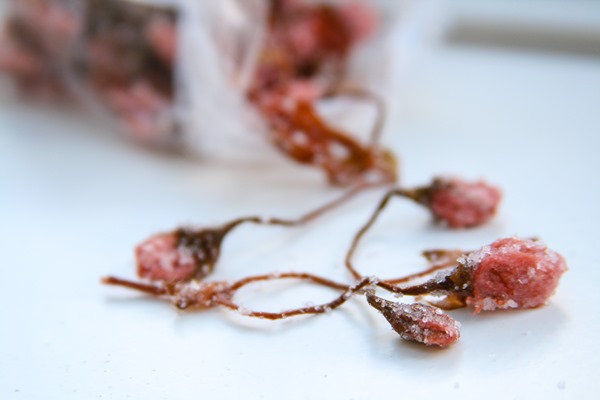
Salt has its own mild scent and, depending on its processing and provenance, it ranges from bitter and iodinated to flinty and flowery. However, the magic of salt is its ability to volatilize the aromas of other ingredients. You can experiment by cutting a tomato in half and smelling it raw. Then sprinkle it liberally with salt, wait for a few minutes and have another inhale. Even if your tomato is an uninspiring greenhouse variety, once salted, it will have a more pronounced perfume. To continue reading further, please click here.

Continue reading →

The Best Oud-Based Perfumes

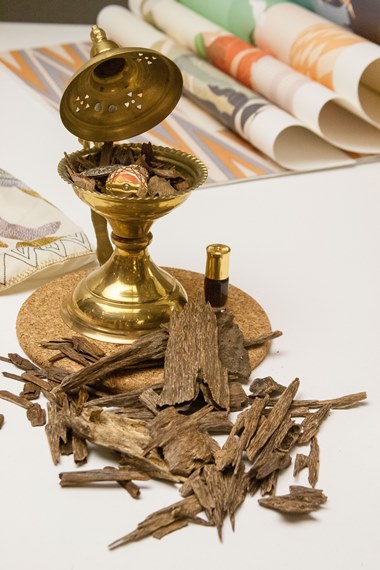
Oud, or agarwood, is the biggest perfumery trend of the past ten years, and while it might occasionally show signs of flagging, it won’t disappear anytime soon. While we have seen many excellent fragrances based on the note derived from the resin of the Aquilaria tree species, uninspiring, bland compositions have been just as common. In my latest FT magazine column, The Best Oud-Based Perfumes, I explain what makes oud as a perfume note and a traditional Middle Eastern ingredient so important. Then, I describe several oud-based fragrances that I consider gold standards. Since oud is a material that comes from an endangered plant species, I also talk about the ethical issues we have to keep in mind as we seek out oud perfumes.

“Oud is a paradox. The exquisite aroma that set the imagination of Japanese poets and Sufi mystics aflame develops as a result of a disease. When healthy, the wood of the Aquilaria tree species is odourless, but once a certain type of mould affects them, they release an aromatic essence to protect their tissues from decomposition. It’s a slow process, during which blond wood turns dark and hard as a stone and develops a fragrance of uncommon complexity. It has the notes of sweet tobacco, incense, leather and smoked spices, with a lingering undercurrent of bitter honey and crushed mint. While it’s known by many names, including aloeswood, agarwood, gaharu, or jinko, its other name, dark gold, will be instantly recognisable to oud lovers. To continue reading, please click here.”

What are your favorite oud fragrances?

Photography by Bois de Jasmin, oud chips and essence.

Modern Classics : Tea Colognes and Bulgari Eau Parfumee au The Vert

Eau Parfumée au Thé Vert is an unexpected modern classic. It wasn’t even meant to be displayed outside the Bulgari  boutiques, where its role was to be an elegant extra next to the house’s jewelry collection. Yet such was its allure and originality that it became one of the perfume trendsetters. And it made Bulgari into a perfume house of note. I tell the story of Eau Parfumée au Thé Vert in my newest FT column, Tempting Tea-Inspired Perfumes. But first I take you on my honeymoon to Kerala.

Munnar, a hill station in India’s southwestern state of Kerala, is one of the country’s largest tea producers. Ensconced in the Western Ghats mountain range, the town is surrounded by plantations that cascade down the hills and hide in misty ravines. I was in Munnar for my honeymoon, and my recollections of long, languorous walks around the tea gardens, the tolling church bells and the opulence of garlands at the Sri Subramanya Temple are laced with the scent of tea leaves. Crushed in my fingers, they smelled green and tannic; when carried by the morning breeze, the aroma resembled violets and driftwood. To continue, please click here.

The other fragrances in the Modern Classic series were Serge Lutens’s Féminité du Bois and Lolita Lempicka.

Researching the article made me realize how many excellent and distinctive perfumes feature the tea accord. Next week I will share a selection of favorites to complement my choices in the article above.

Image via FT

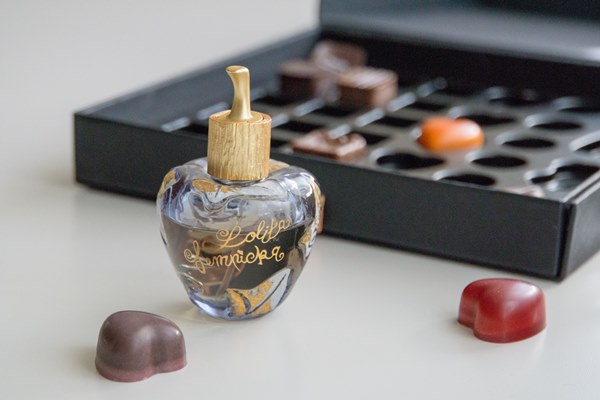
Modern Classics Gourmands and Lolita Lempicka

Among some perfume lovers gourmand fragrances are the equivalent of chick lit, somehow seen as pleasant, entertaining but a guilty pleasure nonetheless. Although the fragrance shops are full of boring blends that smell like candy factories, this genre is far from dull and embarrassing. Not only do the sweet accords have a long tradition–visit the Osmothèque and ask to smell Parfums de Rosine’s Le Fruit Défendu, a banana sundae extravaganza from 1916, they also can be as complicated or as simple as a perfumer’s imagination allows. To defend this maligned genre, I bring to you the next installment in the Modern Classics series, Gourmands and Lolita Lempicka. My new FT column is all about indulgence and pleasure, without a shade of guilt.

Lolita Lempicka arrived in the wake of Angel in 1997. It is a perfume for those who want to avoid the jejune prettiness and cloying sweetness of many gourmand fragrances, while offering an indulgence. The heart of Lolita Lempicka is a clever pairing of patchouli (a nod to Angel) and iris. In a brilliant twist, the cool character of iris inflects all layers of the composition, rising like a soft mist over the confection of liquorice, Amarena cherries and praline. To continue, please click here.

The previous fragrance in the Modern Classic series was Serge Lutens’s Féminité du Bois.

Please let me know about your favorite gourmand perfumes. Do you have any sweet fragrances that are appropriate for the warm weather?

Photography by Bois de Jasmin.

Green, Green, Green : A Selection of New Perfumes

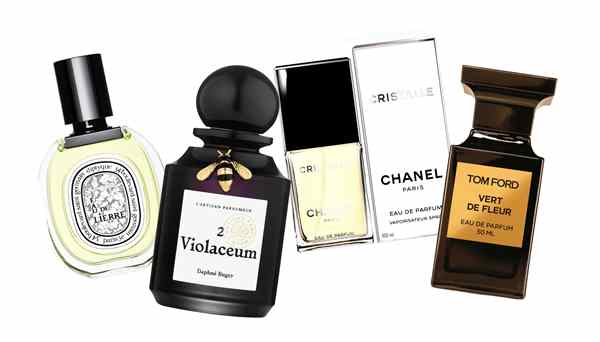
Green accords in perfumery are infamous for being difficult. Difficult to create and difficult to enjoy. Balmain’s Vent Vert, the iconic green fragrance, is praised by perfumers as one of the most innovative and daring, but it was eventually reformulated to become tamer and milder. What is it about green fragrances that makes them so polarizing? In my new FT column, On Green Scents, I explore the new spring launches and point out my favorite verdant composition.

Perfumers rely on different classes of ingredients to produce these green accords, some natural and some synthetic, and finding the right harmony can be complicated. Freshly cut grass, its aroma so appealing on a warm day, can turn metallic on skin, while certain herbs can overwhelm delicate notes. Tom Ford Vert de Fleur is notable in that it not only conjures up a vivid verdant effect, but also preserves the nuance. It smells of dew-covered iris petals, damp earth and vetiver roots. To continue reading, please click here.

Where do you place yourself on the green spectrum? Do you like a touch of green? Or is it, “We want a shrubbery”?

Photography by HTSI

As Seen On

Design by cre8d
© Copyright 2005-2026 Bois de Jasmin. All rights reserved. Privacy Policy