How To Guides: 78 posts

“Don’t Crush The Molecules” : How to Test Perfume

“Don’t crush the molecules!” I turned around, a bottle of perfume in hand, to discover a sales associate approaching me with a look of mild panic. My crime was that I sprayed too much perfume on my wrist and tried to transfer the excess to another arm. “You’re about to crush molecules,” she repeated for emphasis, leaving me to imagine dramatic visions of aldehydes and ionones bursting like overripe grapes on my skin.

two magi

Out of all the nonsensical things I hear at the perfume counter, “don’t crush the molecules” (or its variant “don’t crush the scent”) tops the list of my all time favorites. I never argue with the sales associates, but I once inquired where they’re taught such a concept. What do the perfume sales associates know that still eludes modern science? One counter manager admitted that she heard more senior personnel say it and repeated it herself. Another recalled hearing this molecule business in a perfume training class (in my opinion, she deserves a refund).
Continue reading →

How to Remove Unwanted Perfume

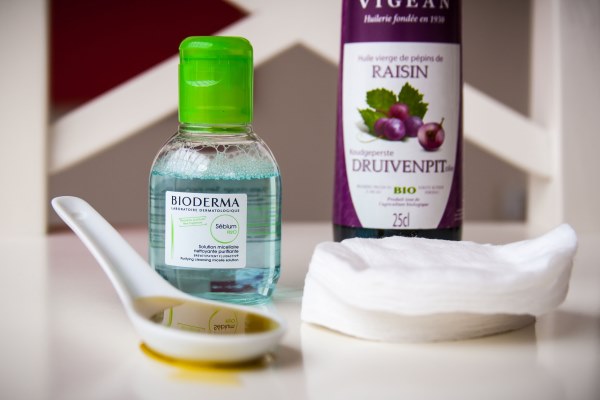
Why does it happen that the scents you detest linger the longest? My capacity to tolerate unpleasant odors has increased markedly during my perfumery training–remind me to tell you a story involving a place called “the stinky room”, but even so, I occasionally encounter fragrances that make me wrinkle my nose. Sometimes it can just be an innocuous perfume tried on the wrong day. I know as soon as the liquid dries on my skin that I’ve made the wrong choice. My throat tightens and an oppressive, sickly feeling rises up slowly from the pit of my stomach. At that point, there is nothing to do but remove the offending scent.

removing-perfume

Rubbing wrists raw with soap and water won’t make much difference because fragrances are formulated with ingredients soluble in alcohol, rather than H2O. Following this logic, you can rub your skin with pure alcohol, but this is a harsh solution that would turn sensitive skin into a patchwork of angry red spots. Instead, here are my three favorite methods to get rid of unpleasant perfumes in a gentle and effective way. Some of them even double up as beauty treatments.

Continue reading →

Savoring Scents

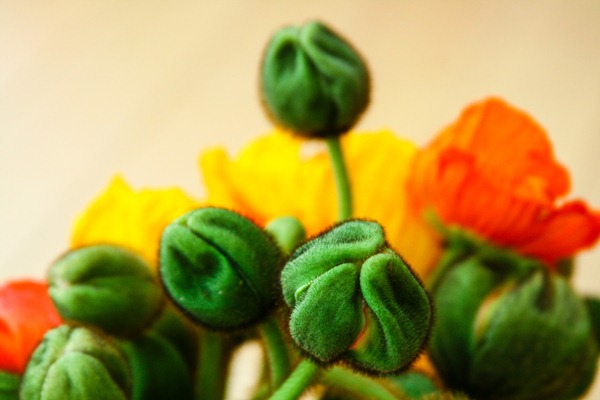
Serge Lutens Ambre Sultan, Guerlain Shalimar, Bulgari Black, Annick Goutal Sables, Chanel Cuir de Russie, anything with woods. The only thing these perfumes have in common is that I disliked them after my first encounter and now they’re among my favorites. I even remember giving away a bottle of vintage Guerlain L’Heure Bleue because I dismissed it far too quickly. Now I want to kick myself! So please don’t repeat my mistakes. If you’ve ever taken one whiff of a perfume, determined that you didn’t like it and crossed it off your list, you might as well not have bothered to smell it. Making a decision based on one sniff would be like deciding that one doesn’t like Tolstoy based on the first page of War and Peace.

poppies

Any scent, however simple or complex, requires more than one encounter. For instance, professional tasters believe that it takes 5 to 10 tries to determine if you dislike a flavor, and the same theory can be applied to perfume. Since a fragrant blend will change its character and even style over time, it’s especially important to be patient. Even the mood in which you smell can play a crucial role in shaping your judgement.

Continue reading →

Making Perfume Samples and Decants (In Pictures)

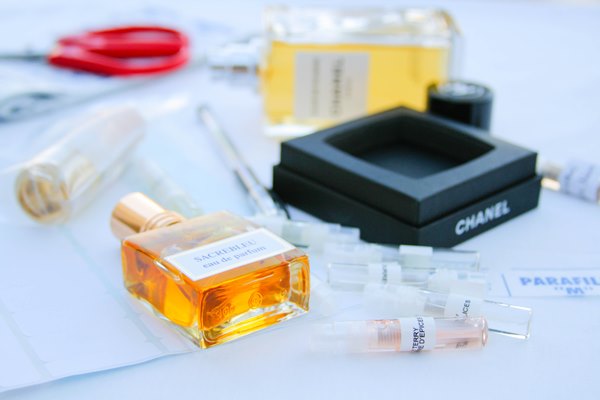
One of my first jobs at the perfume lab was nothing glamorous–I had to label blotters and make samples. Sticking hundreds of tiny labels on narrow strips of paper and filling out bottle after bottle was such a mind numbing task that I entertained the idea of creating a small robot and underwriting the expense. Eventually, I moved onto something more interesting, but ever since then I’ve become very good at making perfume samples. While not a resume worthy skill, it comes in handy from time to time.

decants1

The seasoned perfume lovers among you have probably made hundreds of samples–congrats, you all qualify for a perfumer assistant position! On the other hand, those who are new to this hobby might wonder what on earth is a decant and how to get perfume out of a sealed spray bottle. I receive these questions on a regular basis, so when I recently had to make a perfume care package for a friend, I asked my husband to take some photos.

Continue reading →

My Perfume Was Reformulated! What to Do?

” ‘Eau Sauvage was a real chef d’oeuvre in its original form,’ retired perfume-maker Pierre Bourdon, who created Dior’s Dolce Vita and Yves Saint Laurent’s Kouros, said of the 1966 scent. ‘It used to be very green and fresh. Today, it has been replaced by something softer and duller,’ ” from EU threat spotlights perfume makers’ secrets.

All my life I’ve been hearing that things used to be better in the past. Paris used to be more exciting, Rome cleaner, New York cheaper. When I began exploring the world of perfumery on a professional level, I was told by many older colleagues that the golden age of fragrance had passed. Talk about curbing one’s enthusiasm! Despite these warnings, I persisted with my perfumery training.

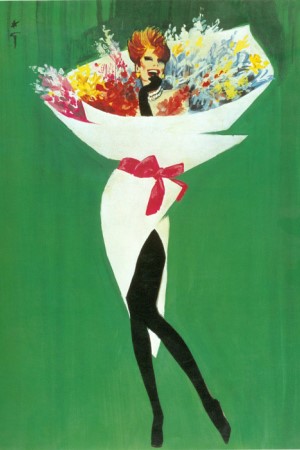
miss diorRene-Gruau2

But you need not be inordinately nostalgic to realize that many perfumes used to be better before many classical materials were banned or restricted and before fragrance companies started reformulating en masse. There is something fascinating about the delicate and precise balance of essences. Even the smallest changes can have dramatic consequences. Imagine what happens when a perfumer is told to remove whole building blocks of a composition or to make a chypre (a mossy perfume type) without moss.

Continue reading →

As Seen On

Design by cre8d
© Copyright 2005-2026 Bois de Jasmin. All rights reserved. Privacy Policy