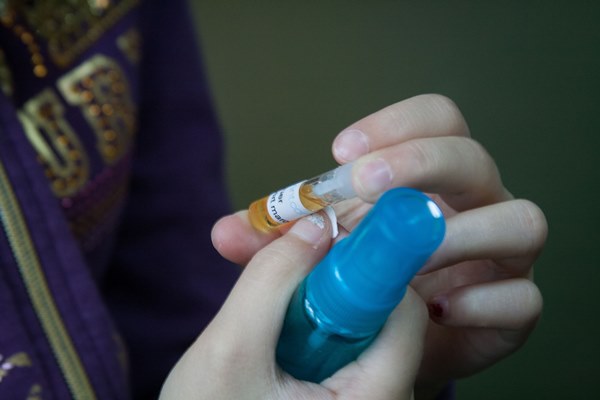
“In the small bag that seldom leaves his shoulder as he traverses the dusty thoroughfares of his surrogate hometown, Younis carries a bottle of aftershave, a photographic portfolio and a copy of his CV.” When a reader sent me The Guardian article about a budding photographer and journalist, this sentence caught my attention. Younis, the protagonist of the story, is 19 years old; after he and his family fled Syria, they ended up in Jordan’s Za’atari refugee camp.
Reading about refugee camps in the news rarely conveys the reality on the ground. One, of course, realizes that life is difficult in the camp conditions, because the opportunities are limited, especially since most countries hosting refugees don’t allow them to move freely, to work, or to attend school outside whatever is provided inside the camp. In addition, relief agencies are so severely underfunded that many have been forced to cut food rations and close clinics. It means millions of displaced people suffer from malnutrition and illness.
Even more difficult to convey is the sense of loss and psychological suffering that people fleeing from their homeland experience. Although my family left Ukraine voluntarily and adjusted to life in the US, I still feel the lingering pangs of separation that will probably never disappear. After more than 20 years, I can describe in precise detail my old room, the pattern of shadows on the windowsill made by the grapevines and the exact smell of the bookshelf (dark chocolate and smoky vanilla). Sometimes I dream of walking through the apartment my parents and I shared with my grandmother and uncle–the cramped, Khrushchev-era flat was no paradise lost, believe me, but I still wake up in tears from such dreams. I can’t imagine the magnitude of this pain when one is forced to leave everything behind and when the road back may not be possible.
Continue reading →