Perfume Notes: 112 posts

Articles on perfume ingredients and fragrance terminology

On the Rose Trail: The Art of Distilling Rosewater

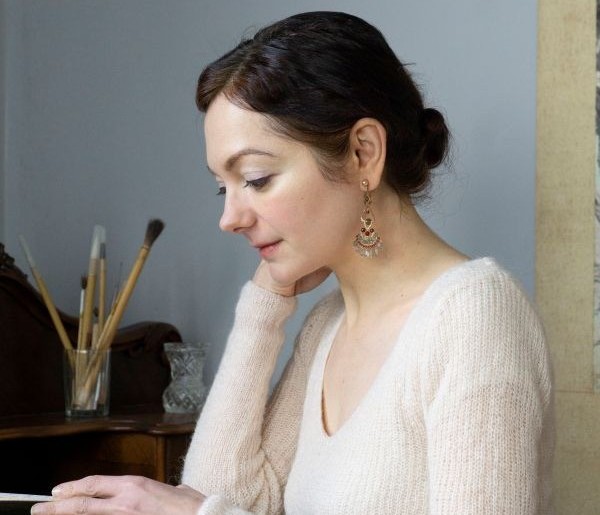
The 10th century Persian philosopher and scientist Avicenna is credited with many contributions to astronomy, geography, psychology, logic, mathematics, and physics. He also found time to delve into perfumery and devised methods to extract essential oils, experimenting on roses. If Avicenna were to step into a fragrance lab today, he would orient himself quickly enough–modern perfumery is a curious amalgam of state-of-the-art science and traditional techniques. For instance, rose oil is prepared in much the way as in Avicenna’s time through the process of steam distillation.

Even older than rose oil is rosewater, an ingredient with a history predating Avicenna. Lebanese food writer Barbara Abdeni Massaad, whose award winning cookbook Mouneh explores the traditions of preserving fruit, vegetables and flowers, includes a section on making rosewater. “Yes, the distillates from roses and orange flowers continue to be made in villages,” she commented on the vitality of the tradition. “Older people still believe that homemade is best.”

Continue reading →

Famous Perfumery Roses : Rose Damascena

Last week I covered the topic of rose de mai, or rosa centifolia, and it’s only fitting to turn my attention to the other famous perfumery rose, rose damascena or rosa damascena. Richer in essential oils than centifolia, it’s the most important rose cultivar for fragrances. In my video, I will describe this variety, show how rose absolute and rose oil look alike and explain where it’s grown.

Of course, I will also discuss rose damascena in fragrances. Although associated with feminine perfumery, roses of all types, natural and synthetic, are are used in masculine fragrances as well as compositions that are not obviously floral. I will explain how perfumers use rose nuances and to what effect.

Continue reading →

The Beauty of Simple Things : Orange

The orange is ubiquitous in perfumery. We easily get taken with oud, gardenia, frangipani, or other more flamboyant notes, but for the most part, orange doesn’t inspire romantic fantasies. On the other hand, the most interesting ingredients in the perfumer’s palette are the most common ones, because not only do they allow a wide range of effects, they challenge the creators to be innovative.

The spongy skin of orange contains cells filled with essential oil, and you only need to squeeze the colored part to see beads of essence. If you apply the liquid on a paper blotter, you can even study the way it progresses, from intense sweetness to acidic tang and to waxy heft. The latter is due to the aldehydes, naturally occurring aromatics that are used in fragrances like Chanel No 5 and Guerlain Chamade to give their flowers a halo of shimmer. In orange oil, however, all facets are in balance, and it smells of a juicy, sweet fruit.

Continue reading →

Bitter Orange Smells Sweet : Favorite Perfumes

Bitter orange peel has a beautiful sweet-floral fragrance, with hints of spice and pine. Yet, in contrast to sweet orange, bitter orange essential oil is less commonly used in perfumery. In this the final episode in the bitter orange series, I will explain why it is so. Then I will talk about some of my favorite bitter orange perfumes and describe how bitter orange notes contribute to their characters.

The perfumes mentioned in this episode include
Frédéric Malle Cologne Bigarade
Jo Loves Green Orange and Coriander
Miss Dior Chérie L’Eau
Atelier Cologne Orange Sanguine

Continue reading →

What Does Petitgrain Smell Like and My Favorite Perfumes

What is petitgrain and how does it smell like? This iconic perfumery material is derived from the same plant as neroli and orange blossom absolute, bitter or Seville orange tree. Its name means “small grain” in French, and it refers to the fact that traditionally petitgrain was distilled from immature bitter orange fruit. Today, twigs and leaves are more likely to be used. And it smells heavenly–green, sparkling, bright, with a distinctive orange blossom accent.

My new video is devoted to everything petitgrain. I describe how it’s usually used in perfumery and then mention my favorite fragrances that illustrate the complex facets of this essential oil.

Continue reading →

As Seen On

Design by cre8d
© Copyright 2005-2026 Bois de Jasmin. All rights reserved. Privacy Policy