Love Letter to Chypre
Cool, inky, powdery, nutty, dark… It’s hard to explain what’s so compelling about the smell of moss, but Patricia attempts it here and shares her love for all things mossy and chypre.
It was many years before I learned that my favorite perfumes, for the most part, fell into a group called “chypres.” I had no idea that they had anything in common, except that I loved the combination of cool and elegant with dark and almost feral notes, the sacred and profane all rolled into one. Chypre, I found out later, referred to a distinctive accord based around several different elements, but as Victoria mentions in her article on the history of chypre, the important chypre ingredient is oakmoss.
The oakmoss is exactly why chypres are not without controversy. Due to restrictions by the IFRA (International Fragance Association) on the use of oakmoss because of its status as an allergen, the formulas of beloved old favorites have been radically altered. Enter synthetic oakmoss and the resultant buzz in the perfume community about dramatic change of beloved chypres like Guerlain Mitsouko, Chanel No 19 and Parfum Grès Cabochard.
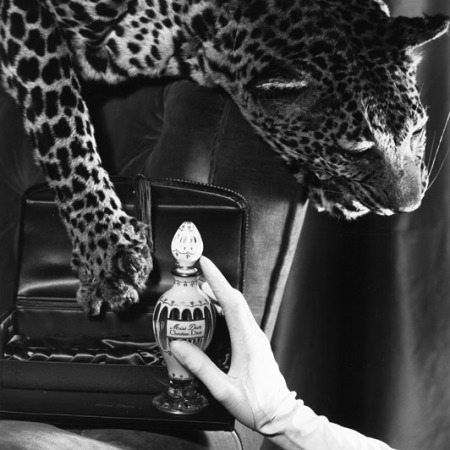
But my story begins much earlier when a mother gifted a bottle of Miss Dior to a young teen who wasn’t quite sure what to make of it. Was it pretty? It was. Was it sharp and nose-wrinkling? It was that, too. Miss Dior had already been around for a couple of decades when she found a place on my dresser top and had already enchanted many with her love-me-love-me-not quality. The green and peppery opening in Miss Dior progresses from gardenia and jasmine to a creamy drydown of sandalwood and dark leather. In the end, the teen decided that it was true love, and my fascination with all things mossy was born.