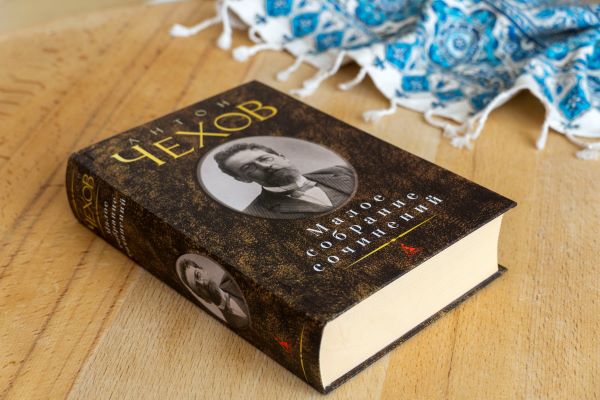
Anton Chekhov’s Gooseberries: On Happiness
Anton Chekhov’s “Gooseberries” tells a story–two friends, Ivan and Bourkin, shelter from the rain at another friend’s house. They take a swim in a pond and then Ivan tells about his brother, a civil servant, who had a dream of owning a house and a gooseberry patch. This idea so possessed him that he married a wealthy widow, starved his wife to death trying to save money, and finally bought an estate. When Ivan visited his brother in his new home, he found him not the meek civil servant that he once was but a pompous man who oppressed his peasants and took offense over not being saluted properly. A plate of gooseberries harvested from his patch was brought in during dinner. Though they were hard and sour, Ivan’s brother ate them with relish, delighting in every bite.
As Ivan tells the story, he turns to his friends and makes the speech that forms the climax of “Gooseberries.” He says that happiness doesn’t exist, that it shouldn’t exist. He urges his friends, younger men, to do good. “Obviously the happy man is at ease only because the unhappy ones bear their burdens in silence, and if there were not this silence, happiness would be impossible,” Ivan says in agitation. “Behind the door of every contented, happy man there ought to be someone standing with a little hammer and continually reminding him with a knock that there are unhappy people, that however happy he may be, life will sooner or later show him its claws, and trouble will come to him — illness, poverty, losses, and then no one will see or hear him, just as now he neither sees nor hears others.”