Victoria: 2668 posts

White Acacia and Cucumber Salad : Edible Flowers

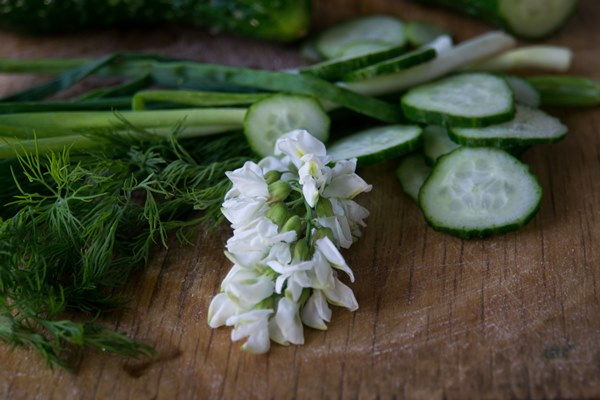
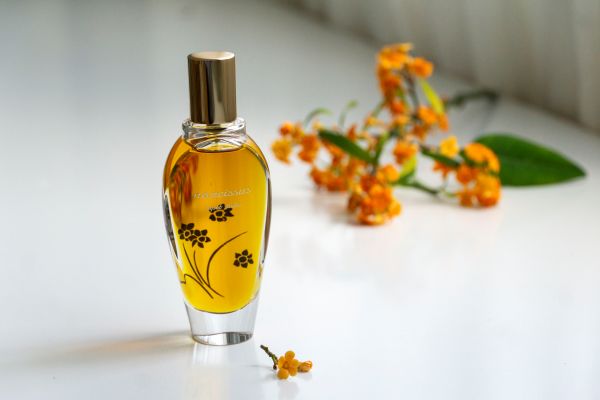
While mimosa makes me think of the last days of winter in Provence, white acacia flowers evoke late spring. It’s not only the sweet scent that appeals to me, but also the taste. Beignets de fleurs d’acacia, acacia flower fritters, are a seasonal treat, a crisp confection dusted with powdered sugar. The acacia season is fleeting, but it overlaps with that of rose de mai, so when I visit Grasse for the harvest, I try to time it to taste the beignets.

What I call white acacia is really a black locust tree (robinia pseudoacacia), a common plant in both Europe and the United States, blooming in April-May, depending on the region. I’ll continue calling it white acacia, because that’s the name most familiar to me–and besides, it’s prettier. Whatever you call it, it’s edible, and the flowers taste like sugar snap peas, but sweeter and more delicate. Since it’s an invasive plant, one might as well forage for it and eat it.

Continue reading →

Hermes Cedre Sambac : Perfume Review

44444

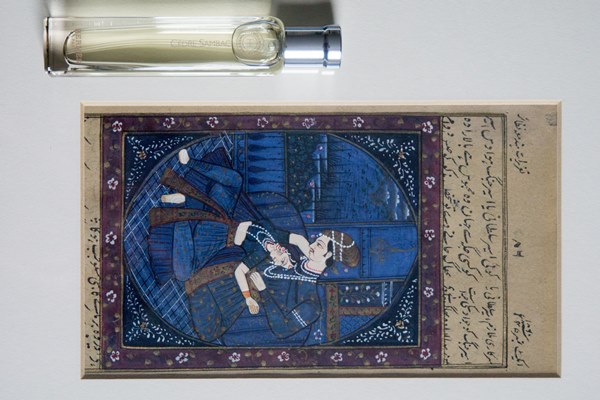
The moment I set my foot in lands where jasmine blooms, I find a flower to smell–a single blossom, a sprig, a garland. I think that I know exactly what jasmine smells like, but every soil makes for a different scent. Jasmine in Provence has an apricot nuance. Indian jasmine smells leathery. Spanish jasmine has a cinnamon inflection in the afternoon and a simmering musky warmth in the evening. Indonesian jasmine is green and sweet, the most unexpected combination. Smelling Hermès’s Cèdre Sambac, I wonder where the perfumer Christine Nagel found an inspiration for such a creamy yet transparent impression.

Nagel says that the inspiration for the five new Hermessences came from the Middle East. Jasmine attars from that part of the world have a certain richness that can be either opulent or smothering, depending on the attar-blender’s skill and the perfume lover’s capacity for jasmine. Cèdre Sambac, however, is all glow.

Continue reading →

The Simple Miracle of a Soap Bar

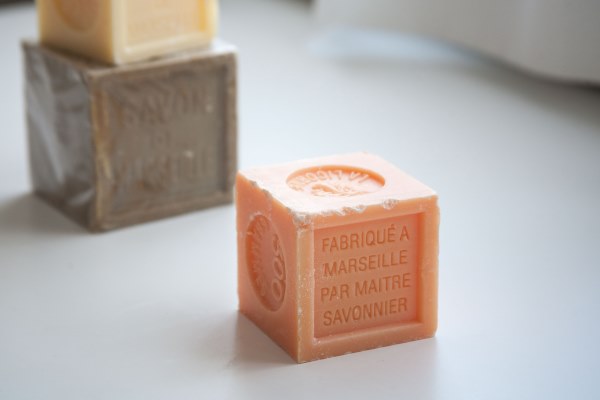
Ever since I made my own scented soap as a perfumery trainee, I’ve been fascinated by the transformation that happens when oils and lye come together. How could such simple materials produce a shiny white bar? And how could the addition of aromatic essences transform an ordinary soap into a small luxury? This is the topic of my recent FT magazine column, Artisanal Scented Soaps.

I talk about my favorite fragrant soaps from brands like Marius Fabre, Claus Porto and Santa Maria Novella.

When exploring artisanal soapmakers, I would be remiss not to include one of Florence’s treasures, the Officina Profumo-Farmaceutica di Santa Maria Novella. This venerable institution was founded by Dominican friars around 1221 as an infirmary for the monks. Eventually it began producing a range of balms and medicines for the general public. Today, Santa Maria Novella is a cosmetic and perfume house reputed for its simple but elegant formulas.One such example is its iris-scented soap Sapone Fior d’Iris. The fragrance is of iris roots and it lasts on the skin well after a shower, making this soap a perfect companion to an iris perfume like Santa Maria Novella Acqua di Colonia Iris or Chanel 28 La Pausa. To read the full article, please click here.

What is your favorite scented soap?

Photography by Bois de Jasmin

Days of Reading

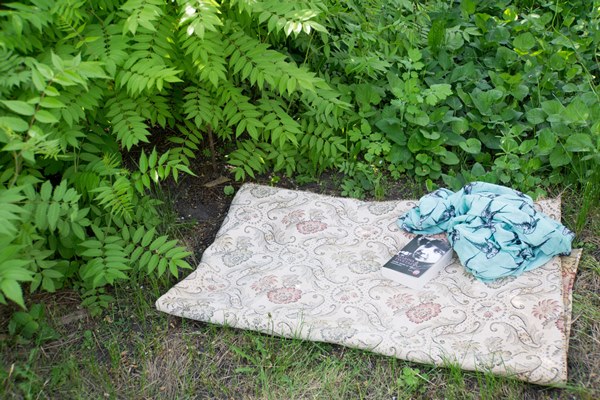
Two weeks ago, talking about an essay by Marcel Proust, I wrote about the place that the word “reading” evokes for me. Finding myself in this very spot, I wanted to share it with you. It’s located near Poltava, one of the oldest towns in Ukraine, although our garden is far enough from the bustle of the town. The apricot tree I mentioned has long been gone, as have the people who planted the garden, my great-grandparents, but the cherry orchard, the hammock, the thicket of jasmine are still there. And so I am with my book.


I spread the blanket under the bush we call “the nightingale’s tree.” It grows tall fronds covered with fuzzy, honey-smelling white blossoms. The cherries are still green, but it’s still early, it’s still spring, and I don’t rush headlong into summer.

My book today is Vivre Dans Le Feu: Confessions (Living in the Fire: Confessions) by Marina Tsvetaeva. It’s a compilation of the poet’s letters and diaries made and commented by the late Tsvetan Todorov. In English, I recommend a similar compilation, but spanning only the years between 1917 and 1922, Earthly Signs, recently translated and edited by the New York Review of Books. On the other hand, if you’re new to Tsvetaeva’s poetry, I would suggest starting with her magnificent The Poem of the End, The Poem of the Mountain, and The Ratcatcher.

Perhaps, I’ve asked you this already, but if not, where do you like reading?

Les Eaux de Chanel : New Perfumes and Voyages

The next big Chanel launch is a collection of three perfumes, Les Eaux de Chanel. Like Les Exclusifs, they are inspired by places that were meaningful to Chanel. Perfumer Olivier Polge has selected three destinations, Deauville, Venice and Biarritz, and created three stories around them. All three are meant to explore fresh and effervescent notes, but they play with different characters and effects. I will share more detailed reviews as I test the perfumes carefully, and for now just a few general notes the collection.

PARIS-DEAUVILLE

Gabrielle Chanel opened her first boutique in Deauville on the Normandy coast in 1912.

“More than the actual reality of the destination, I liked the idea urbanites make of it when they dream of a
weekend away in the country. I wasn’t striving to capture the Normandy countryside as it stands today, but rather
the promise of a stroll through the tall grasses.” Olivier Polge

The fragrance is green, with the brightness of bitter orange rind, petitgrain and basil leaves. It’s accented with rose and jasmine, but the drydown has a layer of patchouli that gives it a chypre-like impression.

Continue reading →

As Seen On

Design by cre8d
© Copyright 2005-2026 Bois de Jasmin. All rights reserved. Privacy Policy