Artists & Perfumers: 106 posts

Articles about perfumers, artists and other interesting personalities. Also, please see Interviews.

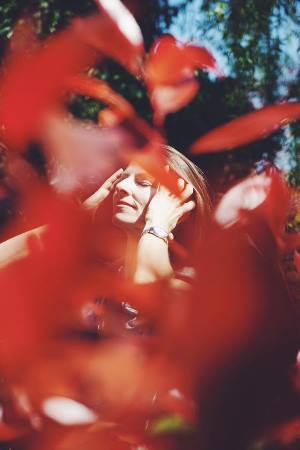
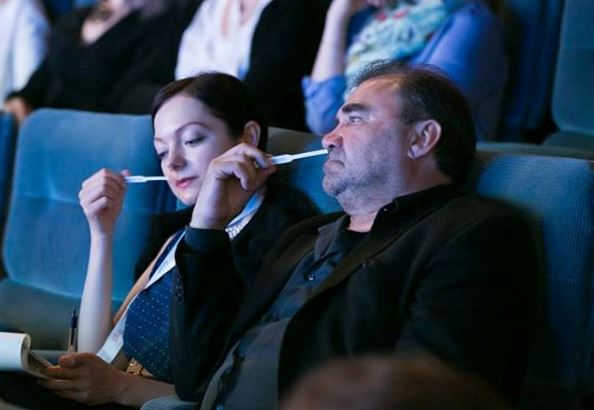
Renegades, Artists, and Artisans : Women in Perfumery

“Only a few people have the supersense of smell necessary to become a Nose—for reasons known only to Noses themselves, no woman has ever had it,” wrote one Donald William Dresden in a 1947 article about “twenty noses of France.” All of these twenty noses, as Mr. Dresden explains to his New York Times readers, are middle-aged men, imposing and intellectual. At round the same time, Germaine Cellier was galvanizing traditional French perfumery with her unforgettable Bandit (1944) and Vent Vert (1947). But she remained invisible for the likes of Dresden.
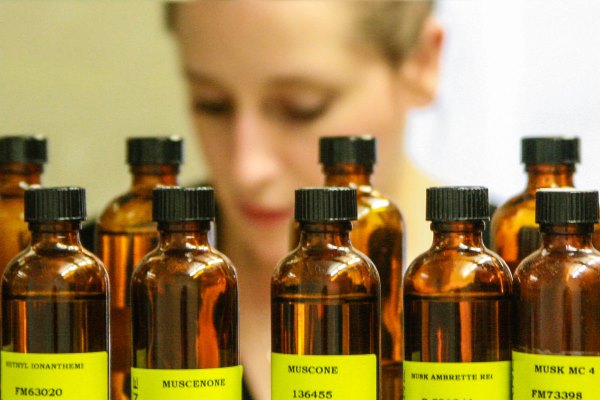
Fast forward to 2017. Since 1947 perfumery around the world has been altered dramatically by the greater openness of the industry and the opportunities it gave women. One would have hoped that their contributions were honored and recognized. In July 2017 Allure ran an article, The American Perfumers Modern Approach to Fragrance. Yet, in the magazine issue devoted to diversity, the article about the American indie movement didn’t mention a single female perfumer. It’s a serious oversight, since the indie movement is inconceivable without female perfumers. Having found the traditional houses either closed to them or limited in creative opportunities, talented and ambitious creators turned to the indie approach. The former situation was especially true for women.
Continue reading →

Searching for a Beautiful Scent, A Conversation with Maurice Roucel

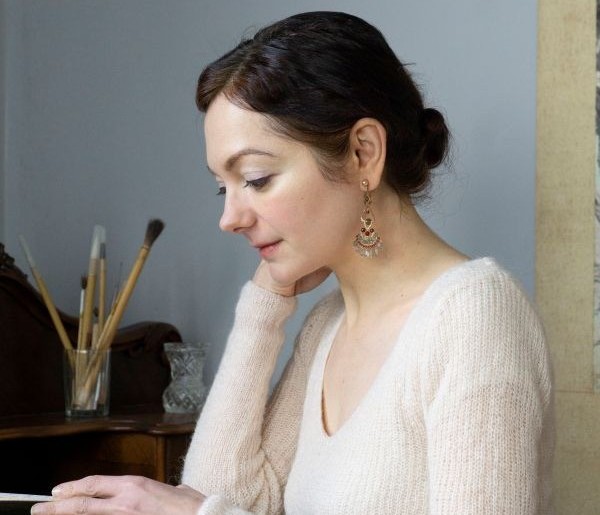
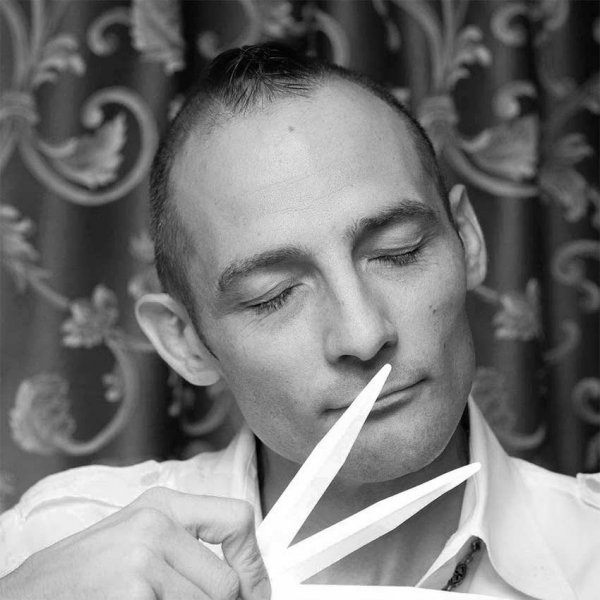
Maurice Roucel is one of the best people to talk perfume. For one thing, the rarefied, quasi-mystical approach to fragrance so common among many perfumers is entirely foreign to him. He sees the role of a fragrance creator in need of a clear definition and classification afforded to other artists, but he doesn’t comport himself as a savant of subjects too refined for the understanding of mere mortals. If anything, his down-to-earth attitude and candid manner make him a refreshing presence and a great conversation partner on topics that range from perfume to wine and life in general.

One winter Roucel and I met at a café in Paris and I posed a slightly provocative question to him: what makes a perfume beautiful? His answer and our subsequent conversation that lasted for several hours is the inspiration for my latest FT piece, Striking Accord.

“The idea of perfume making as an art form, however, can be hard to champion. While scents are related to other kinds of intangible Unesco-listed cultural heritage such as cuisine, they don’t benefit from the same recognition or documentation (the Osmothèque, a scent archive based in Versailles, is the main institution studying and preserving historical fragrances), and are generally seen as too subjective to analyse or even describe, making definitions of artistic worth complicated.” To continue reading, please click here.


What is your personal definition of a beautiful perfume?

Photography via WPC

Jean Carles on Olfactory Training and Perfumer’s Organ

“Perfumery is an art, not a science, as many seem to believe. A scientific background is not necessary for the perfumer; scientific knowledge may even sometimes prove an obstacle to the freedom required in perfume creation,” wrote Jean Carles (1892-1966), the perfumer whose fingerprint is on Miss Dior, Carven Ma Griffe, Dana Tabu, Schiaparelli Shocking, and my absolute favorite, Elle… Elle by Lucien Lelong.

“The creative perfumer should use odorous materials in the same way that a painter uses colors and give them opportunity for maximum development and effect, although it is understood that potential reactions such as discoloration within the ultimate formulation and also the stability of the perfume should be given due consideration. This is about the only use the perfumer will be able to make of his scientific training, if any.”

Today many would disagree with Carles’s dismissal of a scientific background, especially when a perfumer is expected to create fragrances for a variety of products, from laundry detergents to candles. Carles himself approached perfumery in a scientific manner, laying out the techniques in his influential “A Method of Creation and Perfumery” published in 1961. All perfumer trainees, myself included, studied according to his theories of smelling and composition.

Continue reading →

The Art of Perfume Course : Grasse and Gardens

The first day of our perfumery course started at the Edmond Roudnitska garden and the Art et Parfum studios. I intended to give an overview of perfume techniques and to analyze some of the greatest perfume masterpieces, and this corner of Provence was the perfect start. Roudnitska founded Art et Parfum a year after the end of WWII, and this 70 year old enterprise is still thriving under the guidance of Michel Roudnitska, Edmond’s son and student.

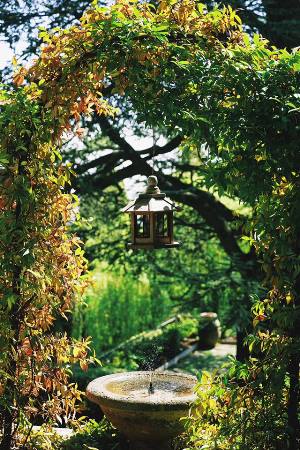
Roudnitska’s garden is a beautiful place to visit, especially during the spring months when every leaf looks fresh and dewy and every blossom seems like a gem, but it’s not a museum to the great master. Besides Michel, three other perfumers work out of the studio–Céline Ellena and Eric and Jean-Claude Gigodot. Céline Ellena moves her hands when she talks as if conducting an invisible orchestra, and she’s utterly spellbinding. She shared her thoughts on perfumery and what makes her work as an independent creator both challenging and exciting.

Continue reading →

Edmond Roudnitska’s Perfumed Garden

I’m in Provence this week teaching the Art of Perfume course. One of the sessions will take place in the garden created by the legendary perfumer Edmond Roudnitska. Situated in Cabris, it’s maintained by his son Michel Roudnitska, the creator of Parfums DelRae Bois de Paradis and Frédéric Malle Noir Épices who also keeps the tradition alive by running Roudnitska’s Art et Parfum lab and studio.

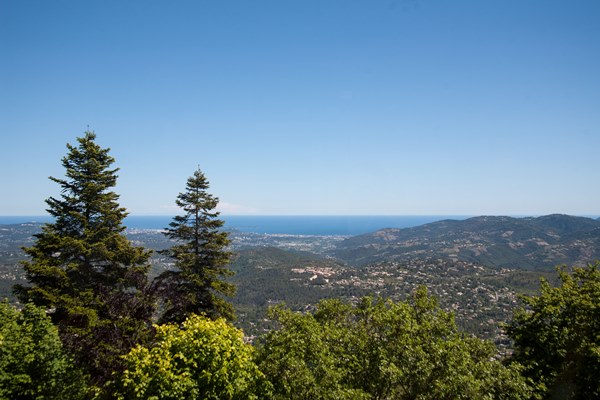
It’s a marvelous place to visit for anyone interested in modern perfumery, fragrant gardens and history. Above you can see the view from Edmond Roudnitska’s office. How could anyone not have created masterpieces in front of such a splendid view.

Continue reading →

As Seen On

Design by cre8d
© Copyright 2005-2026 Bois de Jasmin. All rights reserved. Privacy Policy