Recommend Me a Perfume : April 2018

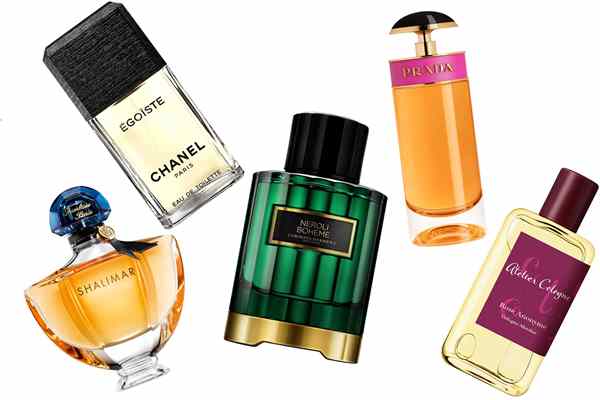
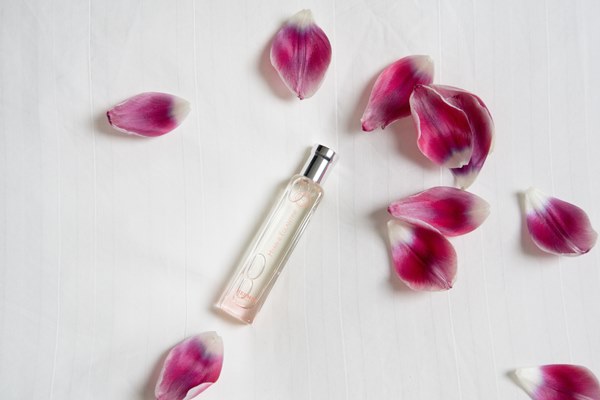
Our “Recommend Me a Perfume” thread is now open in time for your spring queries. You can this space to find fragrance recommendations, to share your discoveries and favorite scents, and to ask any questions about scents, aromas and flavors.

How does it work: 1. Please post your requests or questions as comments here. You can also use this space to ask any fragrance related questions. To receive recommendations that are better tailored to your tastes, you can include details on what you like and don’t like, your signature perfumes, and your budget. And please let us know what you end up sampling. 2. Then please check the thread to see if there are other requests you can answer. Your responses are really valuable for navigating the big and sometimes confusing world of perfume, so let’s help each other!

To make this thread easier to read, when you reply to someone, please click on the blue “reply” link under their comment.

Photography by Bois de Jasmin

Marcel Proust on Reading and Recapturing Time

If you were to give me the word ‘reading’ and ask me to describe the first thing that it evokes, I’d describe a secluded corner in my grandmother’s garden where an old apricot tree cleaved in two by a bolt of lightning grew a wild canopy and made for a perfect hideaway. I would spend hours reading under the apricot tree’s branches, occasionally reaching for a fuzzy, under-ripe fruit. In my memory it’s not the individual books themselves that stand out, but rather the pleasure of reading and the emotions it inspired. And the sour almond taste of green apricots.

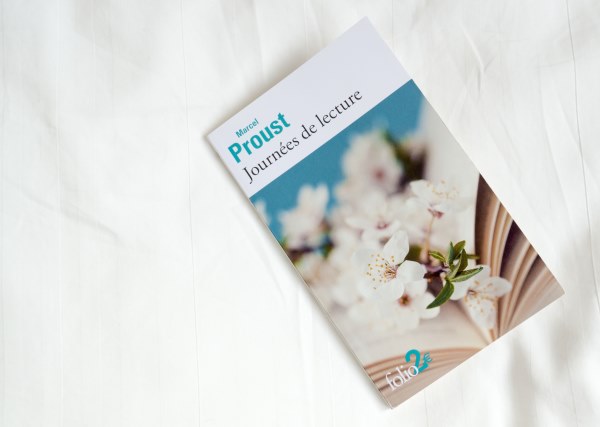
Marcel Proust conceived Journées de Lecture, Days of Reading (public library), as an introduction to his translation of John Ruskin’s Sesame and Lilies. Proust had not yet written his novel, but his discovery of the famous Victorian art critic’s work was a major milestone, and in the introductory essay one can already detect the makings of the writer of Remembrance of Things Past. For all of Proust’s admiration of Ruskin, he disagrees with the critic’s statement that books are a conversation with the sages. Instead, Proust finds the pleasure of reading in the way books prompt us to look for answers to life’s riddles on our own. Art is not didactic. It is stimulating. It doesn’t instruct. It inspires.

Continue reading →

Hermes Myrrhe Eglantine : Perfume Review

44444

When I first heard of the new Hermessence collection, with its ouds and myrrhs, I was apprehensive. The previous additions to the line were all sheer, opaline and ethereal, and I couldn’t see how Middle Eastern inspiration could continue the same aesthetic. As it turns out, I underestimated Christine Nagel, the current in-house perfumer for Hermès, because Agar Ebène, Cèdre Sambac, Myrrhe Églantine, Cardamusc and Musc Pallida have the radiance that gives the house’s perfumes its distinctive quality. They also have curves and sensuality.

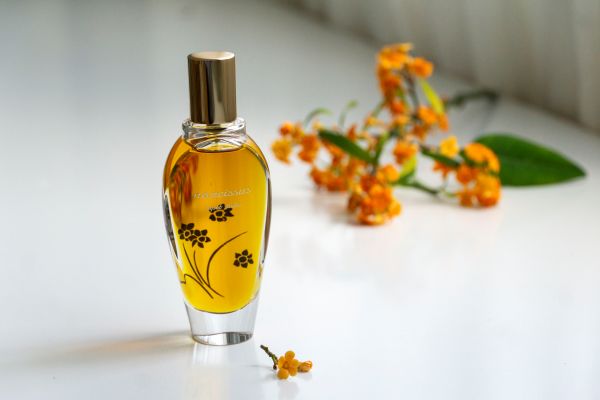
Myrrhe Églantine is the most classical of the five new Hermessence fragrances and the one that pays the most homage to an existing perfume, Rose Ikebana. Created by Jean-Claude Ellena, Rose Ikebana was one of the most underrated gems from the collection. Yes, it’s a pretty, fizzy rose, but it also had a level of precision and refinement that few other fresh roses possess. Myrrhe Églantine plays with the same shimmering effects, but it sets the rose against a velvety background.

Continue reading →

Scents of the Burgundian Spring : The Perfume Course

Wrapping up yet another perfume course, I want to linger over each moment that we shared together and examine how far we’ve come over three days of intensive studies. Originally, my course took shape as a rigorous training program for perfumery professionals, aimed at educating people who work in the perfume industry (but who haven’t had perfumery training) and to give them an appreciation for perfume history. When I adapted it for fragrance lovers, I discovered that my method worked to help anyone, regardless of their knowledge of fragrance or background, to sharpen their sense of smell, learn how to smell and how to analyze mixtures from the simplest to the most complex.

Even as I teach the subject I’ve spent more than a decade exploring, I discover new facets to familiar scents, new ways of talking about aromas and new ways of connecting different sensory impressions. It’s because of the subject matter itself, which is vast, but also because of the people who come to my classroom–and to Bois de Jasmin–and their willingness to share their experiences. Thank you to all of you!

Continue reading →

How to Candy Violets

Last spring I found myself short of sugar sprinkles to decorate a cake but I did have a big bouquet of violets from the garden. My grandmother, never at loss for ideas, flipped through her notebooks and found a simple recipe for making candied violets at home. “Brush each petal with egg white, sprinkle with sugar and leave on a rack to dry,” was the only instruction. So I followed it and ended up with pretty candied flowers. They not only lasted for a few months in a tightly covered tin, but also retained their bright color and delicate flavor.

Unlike commercial candied violets, homemade flowers don’t have an aggressive purple color nor the strong scent of synthetic ionone. If your violets are scented, you can taste the real violet flavor, which is a combination of raspberry and rose. It’s more subtle, but also more nuanced and complex.

Continue reading →

As Seen On

Design by cre8d
© Copyright 2005-2026 Bois de Jasmin. All rights reserved. Privacy Policy