Japanese Ghost Stories : 5 Books

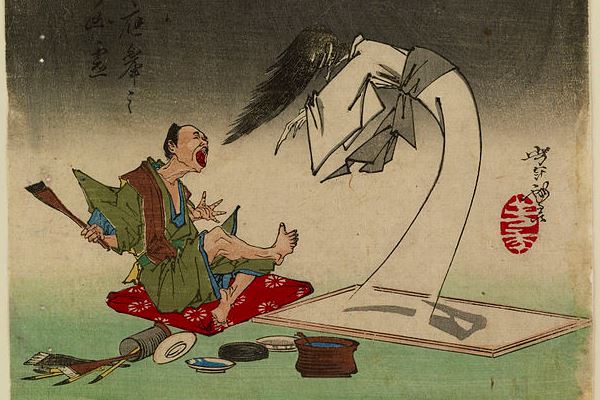
Frightening oneself with ghost stories or haunted houses is a summer activity in Japan for the chilling frisson it’s believed to provide. Yet the Japanese literary tradition filled with spirits, ghouls, specters and other supernatural phenomena is so rich that a full year wouldn’t be enough to even scrape the surface. Since dark fall evenings are a good time to delve into it, I decided to share five of my favorite Japanese books over whose pages hover ghosts.

The Japanese concept of a ghost, yūrei, is quite complex, but in its essence, it’s a soul of someone who died in a violent manner and may not have had proper funeral rites. The soul then returns to the living world to seek vengeance and to torment those who were responsible for the crime. The purpose of Japanese ghost stories, however, is not only to paint the frightful deeds of the unpacified souls, but also to examine the complexity of love, betrayal, loyalty, faith, and other human emotions and dilemmas.

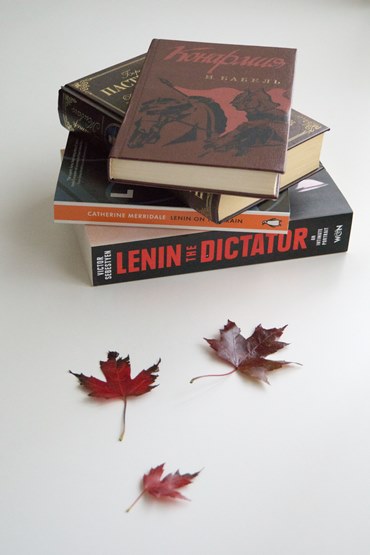
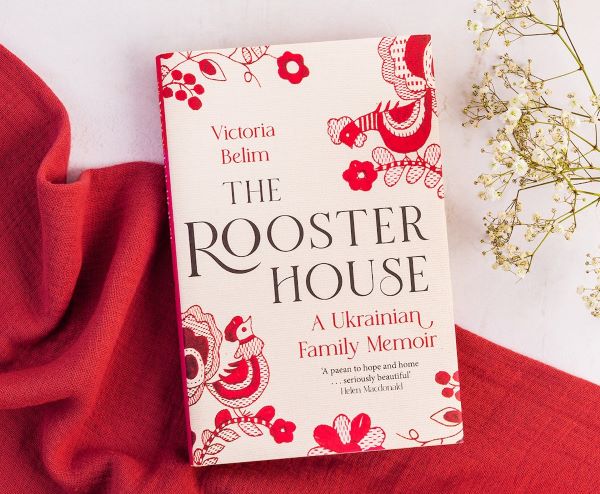
Japanese Gothic Tales by Izumi Kyoka, translated by Charles Shiro Inouye

“She seemed too delicate for someone living in the mountains. Even in the capital you don’t see many women as beautiful. As she rubbed my back, I could hear her trying to stifle the sounds of her breathing. I knew I should ask her to stop, but I became lost in the bliss of the moment. Was it the spirit of the deep mountains that made me allow her to continue? Or was it her fragrance? I smelled something wonderful. Perhaps it was the woman’s breath coming from behind me.”

Continue reading →

Atelier Cologne Café Tuberosa : Perfume Review

44444

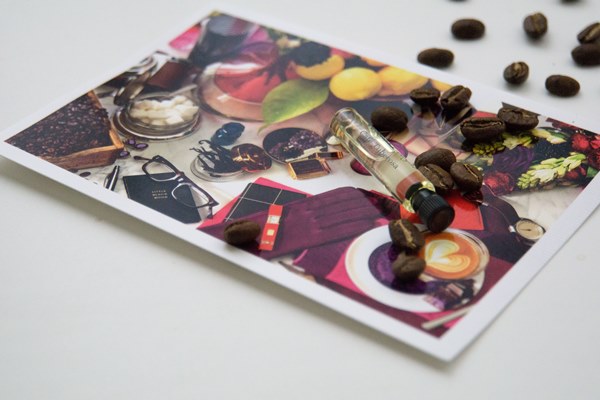
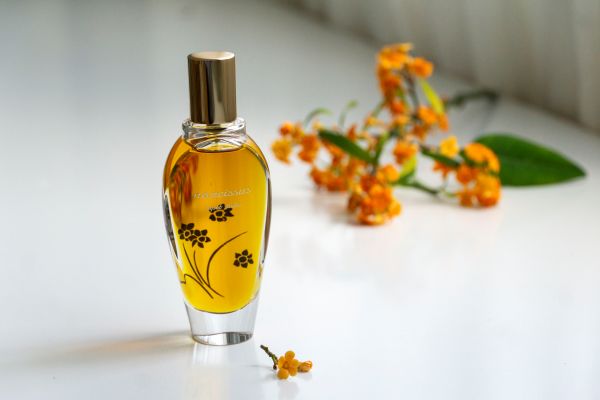
I sometimes notice that coffee smells better than it tastes–or that it doesn’t taste the way it smells.  Even the aroma of coffee, for instance, is difficult to sum up–sweet, bitter, spicy, acidic, toasted, burned, with hints of blackcurrants, chocolate and hazelnuts. Even more difficult is to render coffee notes believable in a perfume without making one smell like a badly washed coffee mug, or worse, a piece of grilled meat. Coffee notes are stubborn. I’ve been on a search for successful coffee perfumes for a while, and this fall I’m adding a new contender to my collection, Atelier Cologne Café Tuberosa.

The idea behind Café Tuberosa is clever–take a creamy tuberose accord, brighten it with bergamot and give it a bittersweet rush with coffee. All three are bold, strong notes, but the whole fits together so harmoniously that it makes me wonder why this motif is not more explored.

Continue reading →

Yellow Marigolds and Blue Fenugreek : Georgian Spices

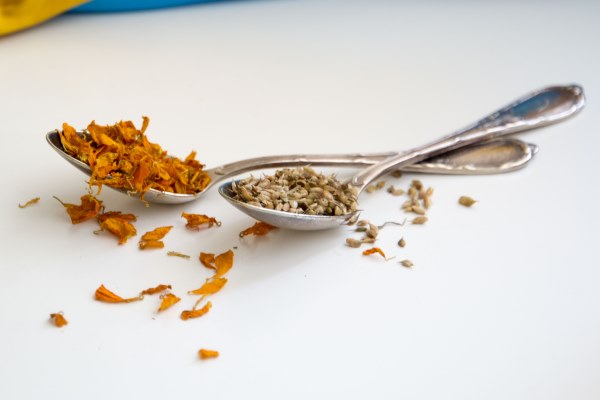
I didn’t know that tagetes were edible until I went to Georgia. My grandmother cultivated several varieties for her flower beds, and I loved the spicy, green scent of the flowers we affectionately called chornobryvtsi, the black-eyebrowed ones, since dark eyebrows are one of the hallmarks of classical Ukrainian beauty.  On the other hand, I never knew that they have an equally alluring flavor and that it forms the main accord of Georgian cuisine.

Several varieties of tagetes are edible, but the most common one is tagetes patula. That’s the same flower woven into Indian garlands to decorate gods and honored guests, but only in Georgia is it used as food. The flavor of tagetes is earthy, spicy, with a hint of green apple and orange. It plays a base note in the finished dish, lending a lingering brightness to chakhokhbili, chicken stew with tomato and herbs, spice blends, chili pastes, or walnut sauces.

Continue reading →

Haiku of the Day : Snowflakes of Autumn

At the beginning of fall one of the resolutions I made was to go running on a regular basis. As they say, be careful what you wish for, because lately my days have been on a fast track. Nevertheless, one must carve out moments of contemplation even during busy, stressful periods, and my other autumnal resolution, to read more poetry, came to the rescue. Poetry concentrates images and sensations, and it’s an effect it shares with perfumery.

Japanese poet Yamazaki Sōkan (1465–1553) was a poet and calligrapher in the shogun’s court, but he gave up the courtier’s life and became a Buddhist monk. Though I have no wish to renounce the world, reading his poetry is like shutting out the noise and focusing on the beautiful. Today I bring you one of my favorite autumnal poems by this haiku master.

If they were silent
flights of herons on dark sky –
snowflakes of autumn.

Continue reading →

Vetiver Voyages

“Art does not reproduce the visible, rather it makes visible,” wrote the cubist, surrealist and expressionist painter Paul Klee. The same could be said about perfumery, which is an art of intangible substances. The greatest fragrances conjure up the most complex of images, holding the artistic intent of their creators and offering a glimpse into their thoughts and memories. Just how perfumers achieve is what I explore in my recent article for my FT column, Vetiver Voyages. I use vetiver as an illustration.

One of my favourite examples is Lalique’s Encre Noire Pour Homme, released in 2006, which perfumer Nathalie Lorson composed with the intention of showing off the suave, languid character of vetiver – a note usually seen as bracing and cold. A type of grass originating in India, vetiver is grown to prevent soil erosion and produces a complex essential oil with accents of liquorice, bitter grapefruit peel, smoke and damp earth. To continue, please click here.

The other fragrances in the Modern Classic series were Serge Lutens’s Féminité du BoisLolita LempickaBulgari Eau Parfumée au Thé Vert, and Frédéric Malle Carnal Flower.

What are your favorite vetiver fragrances?

Image via FT

As Seen On

Design by cre8d
© Copyright 2005-2026 Bois de Jasmin. All rights reserved. Privacy Policy