Top 10 Summer Picnic Scents

Elisa takes us on a picnic with her selection of favorite summer perfumes.

When thinking about my seasonal favorites, I always create a kind of moodboard in my mind. This summer, the moodboard says PICNIC. I’m picturing a gingham tablecloth or a worn-in patchwork blanket thrown out on the grass, sunlight dappling through leaves, bare feet and painted toes. You can smell sunscreen and blooming linden trees, and, of course, the spread: rosé and sparkling wine, cheese and crackers, something fresh (might I suggest caprese skewers?), a giant bowl of fruit salad (my friend Sommer makes an amazing one with blueberries, watermelon, and halved cherries).

Here are some summer favorites to match my picnic mood.

Demeter Tomato

What is there to say about Demeter Tomato, except that it smells exactly like tomato vines? Just smelling it seems to conjure up actual heat, like you’re standing in a sunny garden. In truth I almost never wear it, but I often spray it into the air, especially in my kitchen, to build summery picnic ambiance.

Continue reading →

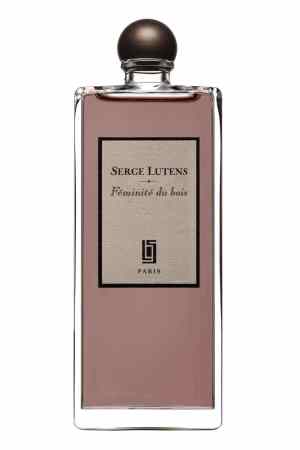
On Italo Calvino’s Classics and Serge Lutens Feminite du Bois

What makes a classic? “In his marvellous essay Why Read the Classics? Italo Calvino offers 14 definitions of what makes a classic piece of literature. Reflecting on his list, I decided to apply his definitons to perfumery.

This topic is the subject of my latest FT column on modern classics. The article, How Serge Lutens reinvented the idea of feminine perfume (updated link), is the first of a series that will cover fragrances I consider outstanding and important. Modern classics, in other words. My first essay is on Serge Lutens’s Féminité du Bois, a composition that challenged conventions and remade wood accords as we know them in perfumery.

Italo Calvino’s essay is worth reading, whether your interest is perfumery or literature, because it’s witty and through-provoking. “Classic” is the most overused word, but unpacking its layers of meaning makes one appreciate the richness of allusions and references that each great work contains. The essay is part of the compilation “Why Read the Classics?” (public library) that includes Calvino’s observations on his favorite writers and novels. I can’t recommend it enough for your summer reading lists.

Of course, I would love to hear what a classical perfume means to you and which fragrances you count among the modern classics.

Jasmine of Angels, Jasmine of Madonna

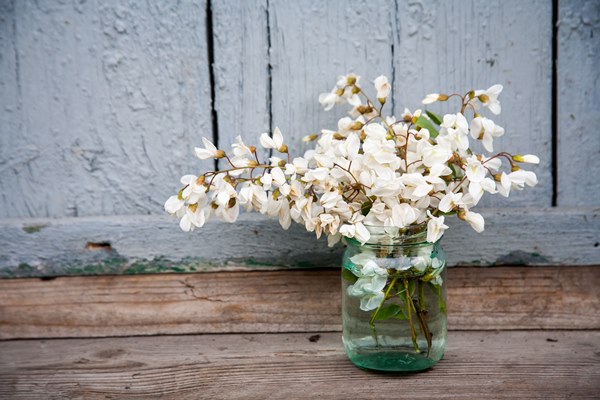
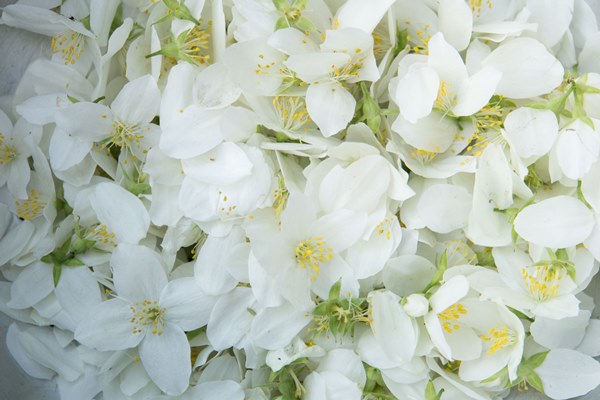
Of all the names by which philadelphus is known–summer jasmine, farmer’s jasmine, mock orange, the loveliest ones are the Italian monikers of this sweet smelling blossom, Fiorangelo or Gelsomino della Madonna. Angel flower or Madonna’s jasmine.

In Ukraine we call it simply zhasmin, jasmine, and the jasmine of my Bois de Jasmin is this very plant. No summer image existed in my mind apart from its blossoming clusters leaving white petals in my hair and its heady perfume clinging to my skin.


Continue reading →

Cucumbers and Honey

Have you ever tasted a slice of cucumber dipped in honey? The combination reveals that at its heart, cucumber is  a fruit.

While the pairing of cucumber and honey may sound like an invention of young Danish chefs, it’s a classical Ukrainian duo and the ultimate taste of summer. By the time my great-grandmother was ready to harvest the first batch of cucumbers from the vines, the mild acacia honey would become available at the market, and the two went perfectly together, an earthy green and floral fragrance and the taste of sea and violet leaves in one mouthful. I couldn’t even unravel which nuance was of the cucumber and which of the honey.

Continue reading →

Green, Green, Green : A Selection of New Perfumes

Green accords in perfumery are infamous for being difficult. Difficult to create and difficult to enjoy. Balmain’s Vent Vert, the iconic green fragrance, is praised by perfumers as one of the most innovative and daring, but it was eventually reformulated to become tamer and milder. What is it about green fragrances that makes them so polarizing? In my new FT column, On Green Scents, I explore the new spring launches and point out my favorite verdant composition.

Perfumers rely on different classes of ingredients to produce these green accords, some natural and some synthetic, and finding the right harmony can be complicated. Freshly cut grass, its aroma so appealing on a warm day, can turn metallic on skin, while certain herbs can overwhelm delicate notes. Tom Ford Vert de Fleur is notable in that it not only conjures up a vivid verdant effect, but also preserves the nuance. It smells of dew-covered iris petals, damp earth and vetiver roots. To continue reading, please click here.

Where do you place yourself on the green spectrum? Do you like a touch of green? Or is it, “We want a shrubbery”?

Photography by HTSI

As Seen On

Design by cre8d
© Copyright 2005-2026 Bois de Jasmin. All rights reserved. Privacy Policy