A Visit to Musée Lalique

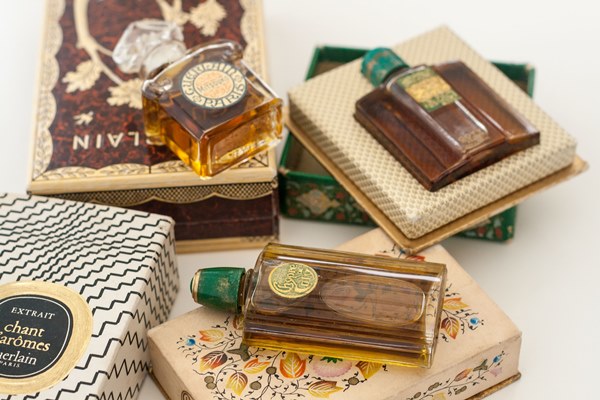
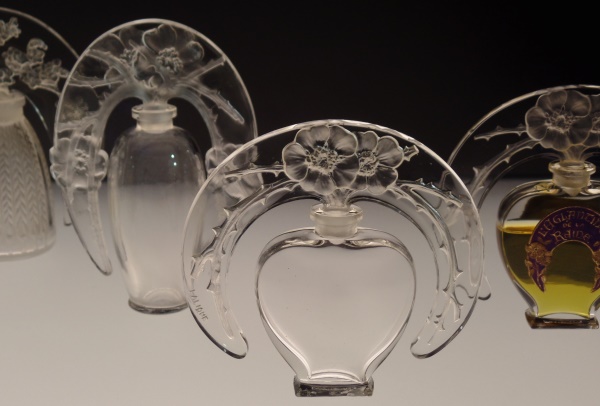
Andrea, a Bois de Jasmin reader, recently visited the Lalique museum in Alsace, France and sent me a few photos from her trip. When François Coty made his famous statement, “Give a woman the best product you can make, present it in a perfect flacon with beautiful simplicity and impeccable taste, ask her to pay a reasonable price, and that will be the birth of a business such as the world has never seen,” Lalique flacon is what he meant. The idea was revolutionary, and together Coty and Lalique made history. And take a look at these stunning bottles! Don’t they themselves look like works of art?
SAMSUNG CAMERA PICTURES

Andrea mentioned that at the museum you can see Lalique wares for all purposes, from sacred to profane–from liturgical objects to different types of decorations. There are perfume bottles and powder boxes, car trinkets and jewelry. You can also discover the interior design Lalique created for luxury liners and trains! If that were not enough, at the museum shop you can purchase Lalique perfumes, save for the Noir Premier Collection.
Continue reading →

Perfumes For Autumnal Moods and the Art of Japanese Garden

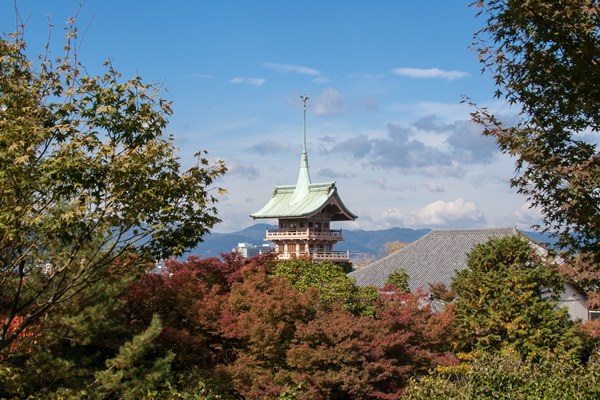
I came back from the south of France to a golden and grey Brussels and whatever summer memories that weren’t blown away by a mistral in Marseille faded into the damp fog of my Belgian city. I have a battery of perfumes evoking summer, but I wondered, what if I approached the theme of an autumnal perfume from a different angle? Instead of selecting a fragrance to fantasize about summer, why not let autumn be my guide? To do that, I relied on the principle of borrowed scenery, shakkei, from Japanese garden design. In my latest FT column, Autumn: The Scents of the Season, I explain how I do it and describe my choices: Serge Lutens Chypre Rouge, Bulgari Eau Parfumée Au Thé Rouge, Chanel Bel Respiro, Etro Messe de Minuit and others.


kyoto-garden-temple

One of the most interesting principles in Japanese garden design is the idea of borrowed scenery (shakkei). Using existing landscape elements – distant mountains, ponds and neighbouring structures – a creator plans the garden in such a way as to incorporate the surroundings into her composition and create her personal vision of nature. Perfumery is generally more about artifice and fantasy, but as summer fades, I too become inspired to borrow autumnal scenery for my fragrant accompaniment. My perfume choices become led by the scents of fall. To continue reading, please click here.

If you were to match autumn, its scents or its moods, to a perfume, what would you select?

Photography by Bois de Jasmin, Kyoto

Recommend Me a Perfume : October 2016

Our October “Recommend Me a Perfume” thread is now open. You can use this space to ask any questions about perfume, including fragrance recommendations, and of course, share your discoveries.

cats-iranian-carpet

How does it work: 1. Please post your requests or questions as comments here. You can also use this space to ask any fragrance related questions. To receive recommendations that are better tailored to your tastes, you can include details on what you like and don’t like, your signature perfumes, and your budget. And please let us know what you end up sampling. 2. Then please check the thread to see if there are other requests you can answer. Your responses are really valuable for navigating the big and sometimes confusing world of perfume, so let’s help each other!

To make this thread easier to read, when you reply to someone, please click on the blue “reply” link under their comment.

Photography by Bois de Jasmin, “cats in the traditional Iranian carpet design.”

Reading

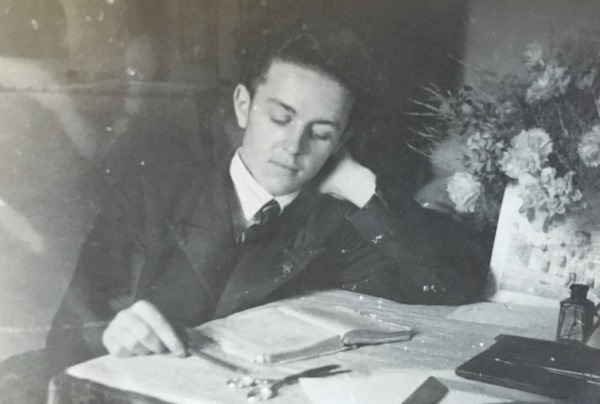
Looking through some of my photographs, I found this picture of my grandfather as a first year engineering student.

grandfather reading

He posed for the photo, but in my recollections of him, a book–and a fishing rod–are ever present.

Damask Roses and Roses of Damascus

Occasionally I come across articles mentioning “roses from Syria” as “a precious” ingredient in perfumes. One of the pieces even appeared in a newspaper that runs daily reports on the war in Syria. But real world events don’t enter into the fantasy bubble of beauty writing, with absurd and morbid results.  We’re conditioned to think of perfume as something so rarefied and intangible that for all we know angels pick the flowers and blend essences in their celestial realms. The thought that a country, which has been at war for five years, might have difficulty growing roses doesn’t cloud the writers’ imaginations.

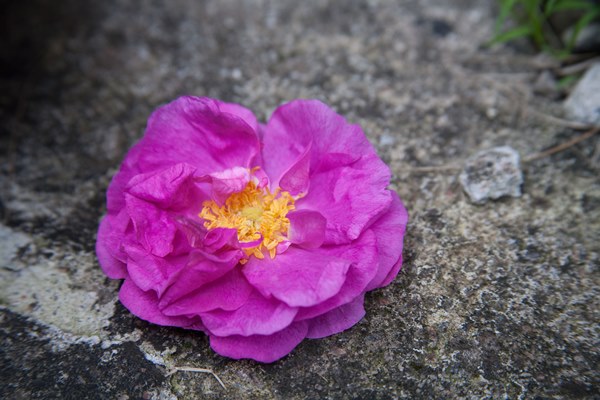
rosa-damascena

Until the war, which started in 2011, Syria produced 80 tonnes of roses, some of which were distilled on site and some exported to be processed in Europe. Syria wasn’t as large a producer as Turkey, Bulgaria or Morocco, but its roses had a delicious raspberry nuance. The last commercial sample I was able to get in 2011 still smells of sun warmed fruit and spicy honey. Damascus and the other rose growing provinces have suffered tremendously during the war, especially the area held by the revolutionary army and targeted in the heavy bombing campaigns by the Syrian regime.  People have fled from the fighting, leaving plantation owners with few work hands and resources. As a one-time distiller told a reporter of The Express Tribune, “Today there are barely 250 grams (half a pound) of oil available to buy in the whole market.” What are the chances that it makes its way into a perfume produced by a luxury brand?

Continue reading →

As Seen On

Design by cre8d
© Copyright 2005-2026 Bois de Jasmin. All rights reserved. Privacy Policy