Origins Ginger Essence : Perfume Review


If you were to open my fridge and avoid having some unidentified jar fall onto your foot, you will always find fresh ginger. I’m addicted to its vibrant flavor. The twisted rhizomes covered with pearly, beige skin taste less of the earth from which they are dug out than of citrus zest, crushed lemongrass and green orange flowers. Ginger shares aromatics with all of these ingredients, and although the first impression when you pop a sliver in your mouth is an explosive freshness, the flavor soon becomes more complex. I add ginger coins to sauteed greens and fish soups. A few pieces also end up in my tea. Since I love the scent so much, any perfume promising a blast of ginger piques my curiosity.
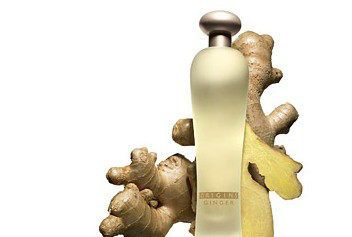
One of my ginger favorites is Origins Ginger Essence. Introduced in 2000, it can even be called a classic, especially in comparison to so many launches that vanish after a couple of seasons. Ginger Essence is not a perfume masterpiece, and if you want the perfume equivalent of an epic novel, then don’t waste your time on it. It’s simply a ginger cologne that feels refreshing and uncomplicated. Since one can’t read only Dostoevsky nor wear only Guerlain (at least, I can’t), its happy simplicity is a pleasure.