Patchouli Fragrances : Part 1 Classical Patchouli

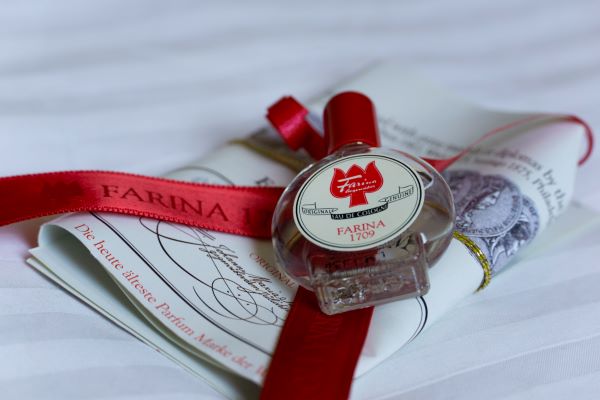
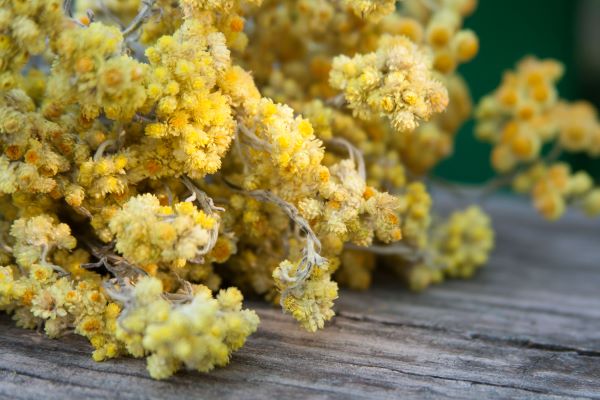
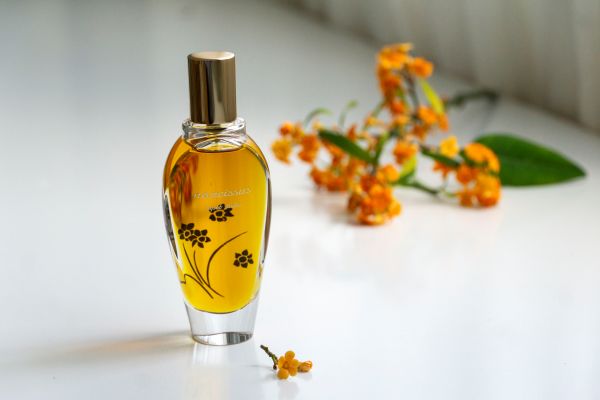
A green plant that evokes the scent of earth. A leaf that smells like wood. A wood that smells like chocolate. Patchouli is a complex, intriguing, and polarizing ingredient in a perfumer’s palette. Some like it, others hate it. It leaves nobody indifferent. Yet, it’s also a material that gives perfumery today its distinctive character. A modern chypre can be made without oakmoss, but not without patchouli.

My latest video is part of the patchouli series, and in the first episode, I discuss the material itself and cover classical patchouli fragrances. The way patchouli is processed affects its smell dramatically. A steam-distilled patchouli oil smells earthy, musty, loamy, while solvent-distilled patchouli absolute is reminiscent of cacao and dry woods. Other methods allow distillers to recompose fractions of patchouli essence to highlight certain effects, such as its licorice or sweet notes.



Continue reading →

In Memory of Issey Miyake and L’Eau d’Issey

44444

In memory of Issey Miyake.

The legendary Japanese designer passed away on August 5th at the age of 84. He changed fashion by creating geometrical designs out of pleated fabrics, loose kaftans out of batik, and his signature Flying Saucer dresses. He also revolutionized perfumery by collaborating on a fragrance that smelled of water.

The iris-perfumed water that served as inspiration for L’Eau d’Issey is based on a custom called shoubu yu. On May 5th, Children’s Day, people in Japan take a bath with iris leaves. The leaves are sold in small bundles to be floated in an ofuro bathtub, and while the symbolism is good health, the delicate fragrance of iris leaves was one of the lasting memories for Mr. Miyake. He explained to Cavallier that he wanted to capture this specific scent in his fragrance.

Continue reading →

Aizuri-e or Japanese Blue Pictures

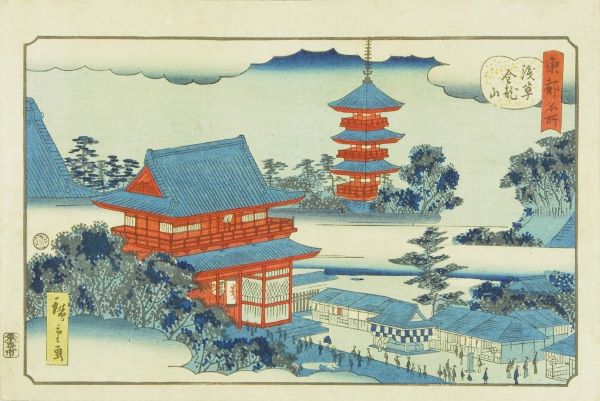
Azure, sapphire, cobalt. Blue traditionally has been one of the most precious colors in paintings. Ultramarine was derived from the semi-precious stone lapis lazuli that had to be ground into a powder. The discovery in 1830 of a synthetic blue hue called Prussian Blue changed the art world, and it had a major impact on Japanese woodblock printing. Series of aizuri-e, blue pictures, became popular. Rendered in vivid blue, they captured landscapes, fashionable ladies, and city scenes. They are among my favorite Japanese woodblock prints for their l’heure bleue quality that lends itself to reveries.

Take a look at the print above, Kinryuzan Temple in Asakusa from the series “Famous Places in the Eastern Capital” by Hiroshige II. The striking use of red and blue creates an elegant effect, with the temple and the pagoda standing out prominently against a blue-shaded landscape. The small figures of passersby are sketched out just enough to give a sense of movement and a lively atmosphere. The splashes of deep blue on trees and the tops of the clouds create a color accent that adds more complexity to the composition. The feeling is of a majestic and mysterious place.

Continue reading →

5 Perfume Masterpieces for Summer

Beautiful fragrances can lift your mood. Over the past few months I have been wearing my most opulent perfumes without being concerned that they might become associated with a dark period in my life. I needed colors, texture, and vibrancy, and my beloved classics satisfied me. Complex fragrances have the benefit of being multifaceted, so that each time you wear them, you discover a new layer or create your own story to match the mood. Perfume may be a dispensable luxury, but like all beautiful things, it serves to elicit positive emotions and boost the spirits.

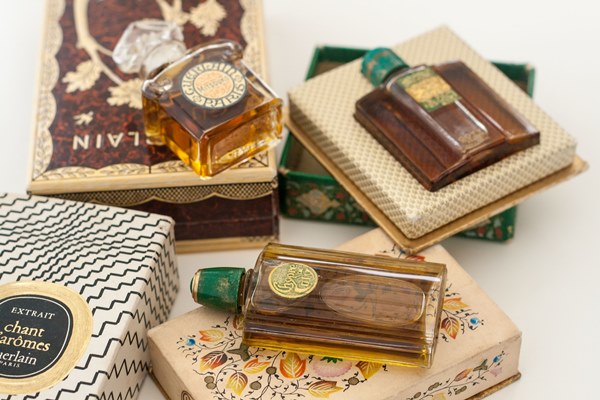
For my summer-themed selection, I’ve settled on a list of five masterpieces. These are the perfume equivalents of novels by Tolstoy and George Eliot because of their layers, nuances, and twists. Some are elegant colognes; others are lush florals and bittersweet chypres (mossy-woody blends.) The list is personal, but I think that you will agree that these are among the classical perfumes to try. Some of them might be ideal as an introduction to classics.

Continue reading →

My Ukraine : On Storytelling and Family

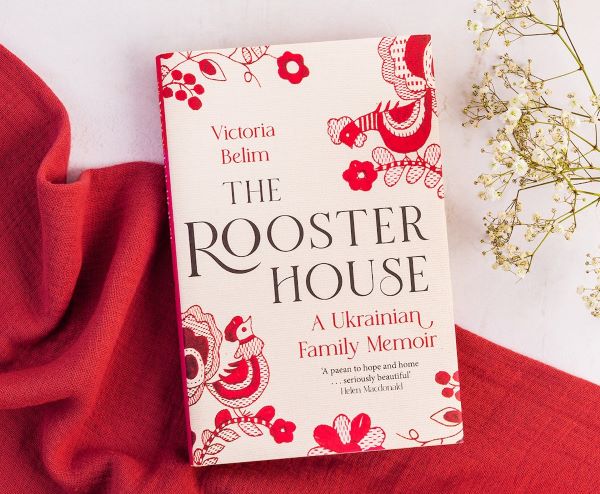
In 2014 I returned to Ukraine, the country where I was born, to spend time with my grandmother Valentina and rediscover the place that shaped me. The result was several long trips that I made sometimes more than once a year. I have lived for most of my life outside of Ukraine, and reconnecting with it inspired me. I discovered its rich culture, beautiful nature, and delicious food. Its scents, sounds, and colors filled me. 
One of my most moving experiences was visiting the town of Reshetylivka and learning about the white-on-white embroideries, an intricate technique that looks like lace. Nadia Vakulenko, the master in charge of the embroidery program at the local college, taught me the basics and became a close friend. And I ended up absorbed by Ukraine completely.

Continue reading →

As Seen On

Design by cre8d
© Copyright 2005-2026 Bois de Jasmin. All rights reserved. Privacy Policy