Happy Birthday, Sophia! Happy Women’s Day!

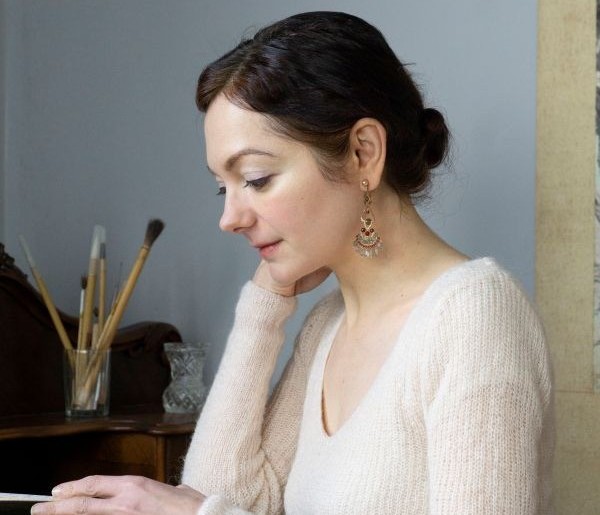
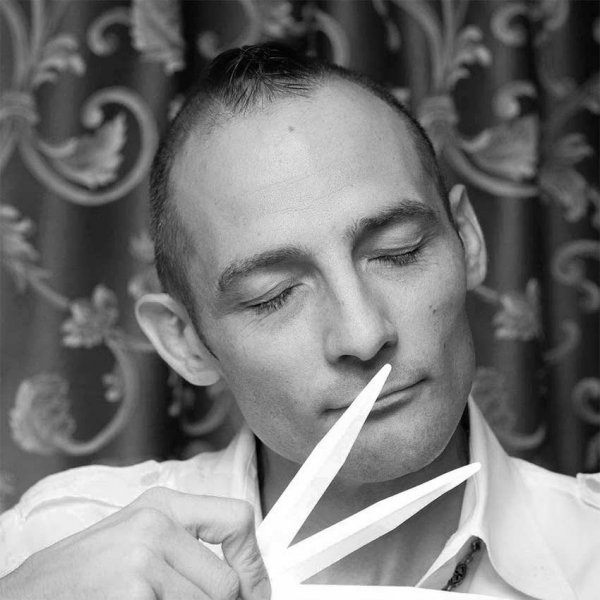
Happy Women’s Day! Happy birthday to my mentor, my teacher, my adopted mother (her words, not mine)–Sophia Grojsman. She’s the reason I write about fragrance and not politics. She gave the ’80s and ’90s their scent–and even dared to perfume Paris. Generous, passionate, courageous. She’s a legend.

I first met Sophia in 2006 when I was still a political science student and Bois de Jasmin was a mere sapling. She met me at her Manhattan office at IFF. She had a fan of blotters in one hand and a cigarette in another. She told me that I’m too boring for wearing all black. I swooned. Mostly because of the smoke, but I was also captivated by her. Sophia took me under her wing and taught me everything she knew. She was the same way with everyone around her. I don’t know of another person with a bigger heart.

Continue reading →

Where My Jasmine Forest Blooms

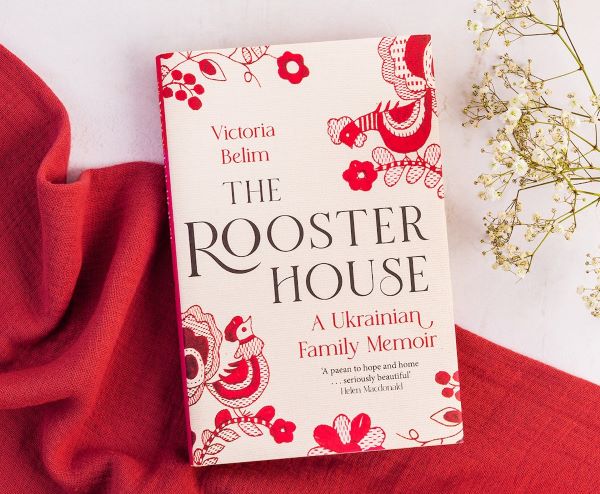
Much of my scent vocabulary comes from Poltava, a town in central Ukraine where I spent the first 15 summers of my life. I was born in the capital city of Kyiv, but Berig, a hamlet near the town of Poltava, is our family nest. My mother’s line can trace its roots to this region as far back as the 17th century. Though in Ukraine’s tumultuous history four centuries are hardly ancient, this land exhorts an inexorable pull on me. Berig is our idea of heaven. I can describe without much effort how many trees are in the orchard and which of the peeling grey shutters has a rusty hook, but I also can recall the exact scent inside the water tank, the damp warmth of the tool shed, and the bitter odor of dandelion flowers.


kb-dvor2

As you read Bois de Jasmin, you breathe in these scents along with me, because the roots of my jasmine forest, bois de jasmin, are in Berig. When describing the fragrance of carnations and roses, I think of the flowers my great-grandmother grew. They are my olfactive referents. And so I would like to take you to very place that inspired Bois de Jasmin, to my great-grandparents’ house in Berig.

Continue reading →

Three Classics and One Great Novel

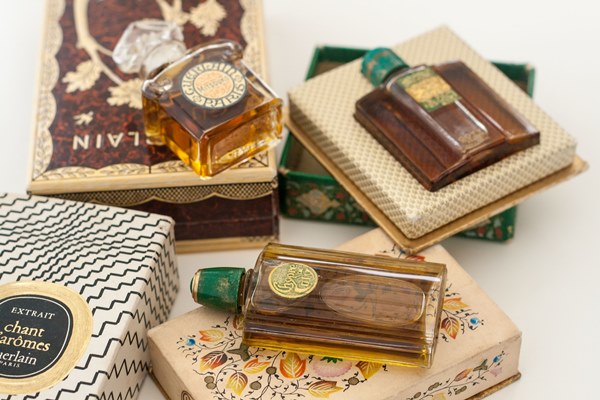
The first time I encountered a perfume that beguiled me was on the pages of a book. The sultry red-haired witch in Mikhail Bulgakov’s The Master and Margarita enticed women with the promise of “Guerlain, Chanel No. 5, Mitsouko, Narcisse Noir, evening gowns, cocktail dresses...” It would be some years before I smelled these perfumes, but their names left a “baffling but seductive” imprint, just as suggested by the novel.

It is no accident that Bulgakov selected Chanel No 5, Guerlain Mitsouko and Caron Narcisse Noir. Those were the fragrances worn by his wife, Elena Bulgakova, the muse for Margarita in the novel. Elena Bulgakova’s granddaughter from her first marriage used to be part of my family. She often mentioned how much her grandmother loved fragrance, especially the three perfumes mentioned in the novel. Chanel No 5 evoked elegance for her. Mitsouko conveyed sophistication. And Caron was pure magic in its opulent glamour.

Continue reading →

Asya’s Idea of Paradise

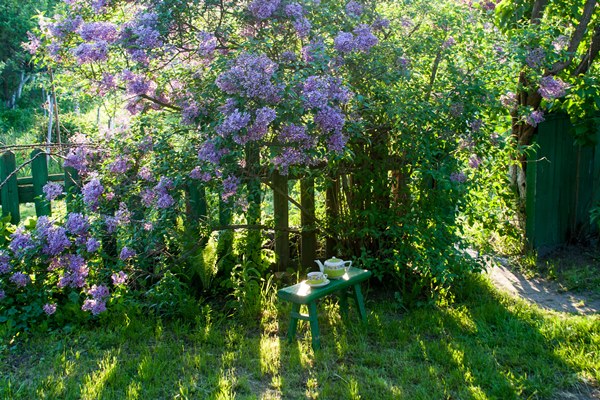
The word paradise comes from the ancient Persian word pairidaēza, “an enclosed garden,” and for a Ukrainian, a cherry orchard is an idea of Eden. It has the same potent connotations as a white picketed fence house in the context of the American dream. It doesn’t mean that all Ukrainians dream of retreating to the village and tending to cherries—no more so than all Americans want to live in the suburbs and obsess over greens lawns—but the image has force beyond its mere components.

cherry-orchard1

In many folk songs, the cherry orchard is where friends meet, families gather for supper and beloved yearn for each other. It is a place of safety and beauty. It evokes all of the things that matter—family, love, friendship, bounty. It’s not a coincidence that one of the most popular works in Ukrainian literature is a short poem by the national bard Taras Shevchenko. Recite the opening lines to any Ukrainian—“A cherry orchard by the house. Above the cherries beetles hum”–and you will see his face light up and his mind travel to his own fantasy garden. “And nightingale their vigil keep,” he murmurs the poem’s romantic coda*.

Continue reading →

A Branch of Mimosa for Carmen

“I will bring you cassie, if you still enjoy its perfume,” wrote French novelist Prosper Mérimée in Lettres à une inconnue (Letters to an Unknown). The Unknown, was Mademoiselle Jenny Dacquin, the daughter of a notary of Boulogne, with whom Mérimée corresponded for over forty years. And what flower should his Carmen throw to Don José? Une fleur de cassie.

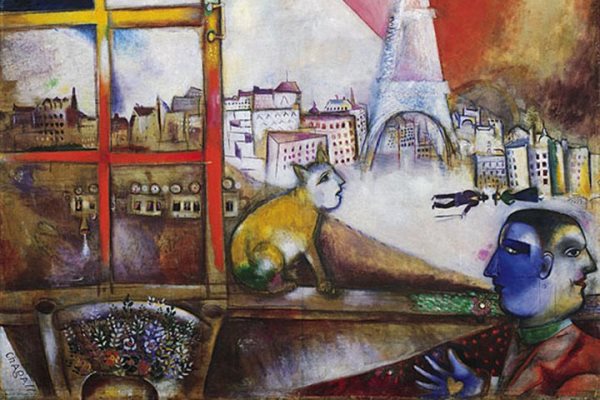
Cassie and mimosa are two closely related plants from the acacia family. The branches covered with masses of lemon yellow pompoms not only look beautiful, they also have a rich scent valued in perfumery. Native to Australia, mimosas were brought to France in the 18th century by the British explorer, Captain James Cook, and they have flourished in the mild winters of the Mediterranean coast. Every February the Massif de Tanneron in Provence turns golden yellow as the mimosas come into bloom, a Fauvist painting come alive.

Continue reading →

As Seen On

Design by cre8d
© Copyright 2005-2026 Bois de Jasmin. All rights reserved. Privacy Policy