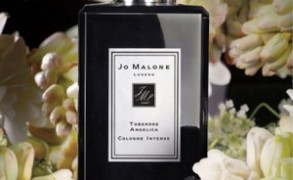
10 Favorite Modern Patchouli Fragrances

I started my 2-part patchouli series by describing classical fragrances, or rather classical uses of patchouli. This material was once used as an accent note to enrich ambers, leathers, and mosses, add darkness to herbs and citrus, and to create shadows in floral bouquets. Then Thierry Mugler Angel happens in 1993 and perfumery hasn’t been the same since. Today, using a formula with 25% patchouli won’t make anyone raise their eyebrows, and this ingredient has become so ubiquitous in sweet, gourmand perfumes that it has engendered its own family.

Why has this happened? Angel certainly showed that pairing patchouli with sugary notes like caramel, vanilla, or cotton candy creates a striking contrast. The sweetness recedes, while the warm dryness of patchouli shimmers. Imagine that almost thirty years later Angel remains one of the most copied perfumes. It’s also still among the top-selling fragrances.

For this reason, compiling a list of modern patchouli fragrances was easy. I titled my post “Favorite” patchouli fragrances, although I should say that I also included perfumes that made a splash and influenced other creations, whether in fine fragrance, candles, shower gels, or home cleaning products.

Continue reading →

Perfume Industry, Diversity, and Becoming a Perfumer

I continue the topic of perfume industry professions. I receive many questions and most of them are similar, so I decided to record a follow-up video. This episode addresses questions from people interested to become perfumers but worried about diversity and not being able to fit in. I’ll explain based on my own experiences and offer several practical suggestions.

This topic is certainly vast, but I hope to touch upon a few key issues. The main idea I would like to reinforce is that the fragrance industry is open to anyone who is passionate, curious, and motivated. I don’t come from a perfumery background. I don’t even come from a country where perfumery is a viable profession. I had no connections to the industry. Yet, I managed to enter it, learn, and create my own niche in it.

If you have any questions, please let me know in the comments. I also recommend taking a look at Things to Consider if You Want to Become a Perfumer.

Opulent Fragrances To Escape Routine and Grey Weather

With everyone enraptured by minimalism, Cleanfluencers, and Marie Kondo, it seems in bad taste to suggest the need for opulence, especially since what I have in mind is Bollywood’s “more is more” variety. There are two reasons for my insistence—excitement is a good thing, and I love Indian cinema.

Many people outside the Bollywood sphere of influence find the genre puzzling. Everything is over the top—the acting, the plots, the songs, the outfits. But for me, it’s “cinema that exists slightly outside the everyday world,” in the words of writer Rana Dasgupta. This fantasy space is shared by perfumes, intangible messages in a bottle. So, those wishing to take a break from KonMaring their sock drawers and making their apartment look like an IKEA showroom are welcome to follow along with me.


Continue reading →

Top Classical Patchouli Perfumes : Part 1 Patchouli

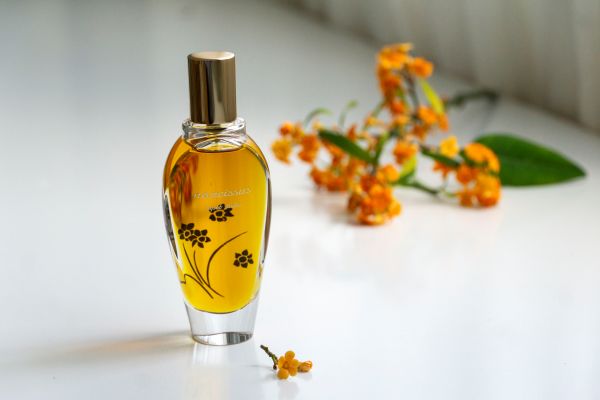
A green plant that evokes the scent of earth. A leaf that smells like wood. A wood that smells like chocolate. Patchouli is a complex, intriguing, and polarizing ingredient in a perfumer’s palette. Some like it, others hate it. It leaves nobody indifferent. Yet, it’s also a material that gives perfumery today its distinctive character. A modern chypre can be made without oakmoss, but not without patchouli.

My latest video is part of a patchouli series, and in the first episode I discuss the material itself and cover classical patchouli fragrances. The way patchouli is processed affects its smell dramatically. A steam-distilled patchouli oil smells earthy, musty, loamy, while solvent-distilled patchouli absolute is reminiscent of cacao and dry woods. Other methods allow distillers to recompose fractions of patchouli essence to highlight certain effects, such as its licorice or sweet notes.

Continue reading →

Anton Chekhov’s Gooseberries: On Happiness

Anton Chekhov’s “Gooseberries” tells a story–two friends, Ivan and Bourkin, shelter from the rain at another friend’s house. They take a swim in a pond and then Ivan tells about his brother, a civil servant, who had a dream of owning a house and a gooseberry patch. This idea so possessed him that he married a wealthy widow, starved his wife to death trying to save money, and finally bought an estate. When Ivan visited his brother in his new home, he found him not the meek civil servant that he once was but a pompous man who oppressed his peasants and took offense over not being saluted properly. A plate of gooseberries harvested from his patch was brought in during dinner. Though they were hard and sour, Ivan’s brother ate them with relish, delighting in every bite.

As Ivan tells the story, he turns to his friends and makes the speech that forms the climax of “Gooseberries.” He says that happiness doesn’t exist, that it shouldn’t exist. He urges his friends, younger men, to do good. “Obviously the happy man is at ease only because the unhappy ones bear their burdens in silence, and if there were not this silence, happiness would be impossible,” Ivan says in agitation. “Behind the door of every contented, happy man there ought to be someone standing with a little hammer and continually reminding him with a knock that there are unhappy people, that however happy he may be, life will sooner or later show him its claws, and trouble will come to him — illness, poverty, losses, and then no one will see or hear him, just as now he neither sees nor hears others.”

Continue reading →

As Seen On

Design by cre8d
© Copyright 2005-2026 Bois de Jasmin. All rights reserved. Privacy Policy